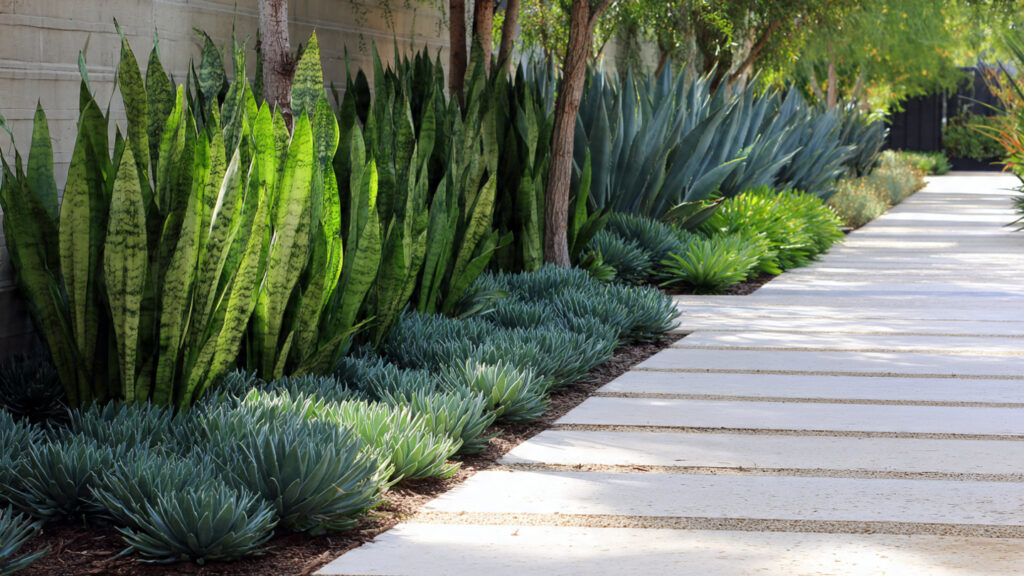
A well-defined garden pathway can transform an ordinary outdoor space into a visually striking and inviting area. One of the easiest yet most elegant ways to enhance a walkway is by using plants that are both hardy and stylish. Among these, the snake plant (Sansevieria trifasciata) stands out for its sculptural leaves, low maintenance requirements, and adaptability to various environmental conditions. By planting rows of snake plants along your pathway, you can create a border that not only defines the space but also adds a modern, architectural element to your garden.
Understanding Snake Plants
Snake plants, often referred to as “mother-in-law’s tongue,” are popular houseplants known for their upright, sword-like leaves that come in shades of green with variegated patterns. Originally native to West Africa, these plants have adapted well to both indoor and outdoor environments. One of the key advantages of snake plants is their resilience. They can tolerate periods of drought, low light, and a wide range of temperatures, making them ideal candidates for creating pathway borders.
Snake plants are also praised for their air-purifying qualities. According to studies by NASA, they can remove toxins from the air, such as formaldehyde, benzene, and trichloroethylene, making them a healthy choice for outdoor spaces that are near living areas.
Planning Your Pathway Border
Before planting snake plants along your pathway, it’s essential to plan carefully. Here are the critical considerations:
1. Pathway Design
Consider the overall layout of your garden path. Is it straight, curved, or meandering? Snake plants have a structured and upright growth habit, which works best along straight or gently curving pathways. For highly irregular paths, consider spacing the plants in clusters rather than rigid rows to create a more natural look.
2. Sunlight Requirements
Snake plants can thrive in both full sun and partial shade. However, when planting outdoors, consider how much sunlight your pathway receives. While these plants tolerate low light, their growth will be more vibrant and their variegation more pronounced in bright, indirect sunlight.
3. Soil Conditions
One of the reasons snake plants are so easy to maintain is their adaptability to various soil types. They prefer well-draining soil to prevent root rot. If your pathway area has heavy clay soil, consider amending it with sand or compost to improve drainage. Raised beds or borders filled with a sandy loam mixture are also excellent options.
4. Spacing
When planting rows of snake plants, spacing is crucial for both aesthetics and plant health. Typically, placing the plants 6 to 12 inches apart works well for smaller varieties, while larger varieties may need 12 to 18 inches. Proper spacing ensures that each plant has room to grow while maintaining a cohesive row effect.
Preparing the Pathway
Once you’ve planned the layout, it’s time to prepare the pathway for planting:
- Clear the Area: Remove any weeds, rocks, or debris from the planting area. A clean bed ensures that the snake plants can establish roots without competition.
- Level the Soil: Ensure that the soil along the path is level. This not only improves aesthetics but also promotes uniform growth.
- Improve Drainage: If the soil is compacted or retains water, add sand, perlite, or organic matter to improve drainage. Snake plants are prone to root rot if their roots sit in waterlogged soil.
- Mark the Planting Spots: Use a garden hose, string, or spray paint to outline the exact positions where each snake plant will go. This visual guide helps maintain consistent spacing.
Planting Snake Plants
Planting snake plants is straightforward, but following the correct steps ensures a successful pathway border:
- Dig Holes: Dig holes slightly larger than the plant’s root ball. A depth of 2-3 inches more than the root ball allows room for growth.
- Add Organic Matter: Incorporate a small amount of compost or well-rotted manure into the hole to provide nutrients and improve soil texture.
- Place the Plant: Remove the plant from its pot and gently loosen the roots. Place it in the hole, making sure the base of the leaves is level with the soil surface.
- Backfill and Firm: Fill the hole with soil and lightly press down to eliminate air pockets. Avoid compacting the soil too hard, as snake plants prefer loose, aerated soil.
- Watering: Give the plant a moderate watering after planting to help settle the soil. Thereafter, water sparingly, as snake plants store water in their leaves and require minimal moisture.
Maintenance Tips for Pathway Snake Plants
Snake plants are low-maintenance, but a few simple practices ensure that your pathway remains vibrant and tidy:
1. Watering
Overwatering is the most common mistake when growing snake plants outdoors. Water only when the soil is completely dry. In hotter climates, this may mean watering once every 2-3 weeks, while cooler climates may require less frequent watering.
2. Fertilization
Snake plants grow slowly and require minimal feeding. Apply a balanced, slow-release fertilizer in spring and summer to encourage healthy growth. Avoid fertilizing in fall and winter, as the plants go into a natural dormant phase.
3. Pruning
While snake plants maintain a neat vertical habit, removing any damaged or yellowing leaves enhances the overall appearance. Simply cut the leaves at the base using a sharp, clean knife.
4. Pest Control
Outdoor snake plants are relatively pest-resistant. However, occasional infestations of mealybugs or spider mites may occur. Treat these with insecticidal soap or neem oil to maintain healthy foliage.
➡️ How to Grow Malabar Spinach from Cuttings for Fast, Easy Greens
➡️ How to Grow Super Delicious Cabbage at Home Without a Garden
➡️ How to Grow Bean Sprouts at Home in Plastic Bottles Easily (Step‑by‑Step Guide)
➡️ Why is Your Lemon Tree Blooming in the Heart of Winter?
➡️ Why Should Your Garden Have a Dedicated Pollinator Highway?
➡️ Why Do Your Fruit Trees Need a Winter Wash to Thrive in Spring?
➡️ How Can Rice Water Transform Your Fruits into Sweeter Delights?
➡️ Jumpstart Your Winter Garden: Seed Starting Under Lights
5. Mulching
Applying a thin layer of organic mulch around the base of the plants helps retain soil moisture, suppress weeds, and provide a polished look to your pathway borders.
Creative Variations for Stunning Borders
While a straight row of uniform snake plants looks clean and modern, there are several creative ways to enhance the visual impact of your pathway:
- Mix Varieties: Combine different snake plant varieties, such as the classic green Sansevieria trifasciata with variegated types like ‘Laurentii’ or ‘Moonshine.’ The contrasting leaf colors create visual interest and depth.
- Alternate Heights: Plant taller varieties at the back of the border and smaller ones in front for a tiered effect. This works particularly well for wider pathways.
- Curved Borders: While snake plants favor straight lines, gentle curves can soften the look. Use a staggered planting pattern to follow the pathway’s natural flow.
- Pair with Groundcovers: For a lush appearance, plant low-growing groundcovers like creeping thyme or mondo grass between the snake plants. This adds texture and prevents bare soil from showing.
- Add Lighting: Highlight the sculptural leaves at night with pathway lighting. Solar-powered stakes or LED strips can create a dramatic effect, making your garden inviting even after dusk.
Benefits of Using Snake Plants for Pathway Borders
Using snake plants along your garden path offers several advantages:
- Low Maintenance: Requires minimal watering and care.
- Durability: Tolerates various weather conditions and poor soil.
- Visual Appeal: Upright, architectural leaves create a striking modern look.
- Air Quality: Naturally filters harmful toxins from the air.
- Space Efficiency: Narrow growth habit allows for dense planting along paths without encroaching on walking space.
Troubleshooting Common Issues
Even hardy plants like snake plants can face challenges. Being proactive can prevent problems:
- Yellowing Leaves: Often a sign of overwatering. Allow the soil to dry and reduce watering frequency.
- Leaf Rot: Caused by waterlogged soil. Ensure proper drainage and remove affected leaves.
- Slow Growth: Insufficient sunlight or nutrient-poor soil can stunt growth. Consider fertilization and ensure the plants receive adequate light.
Conclusion
Creating stunning pathway borders with rows of snake plants is an excellent way to add structure, beauty, and low-maintenance greenery to your garden. By carefully planning the layout, preparing the soil, and following simple planting and care techniques, you can achieve a border that looks elegant year-round. Whether you prefer a modern, minimalist approach or a lush, layered design, snake plants provide versatility and resilience, making them an ideal choice for anyone looking to enhance their outdoor pathways. With their sculptural appeal and durability, these plants will not only define your garden paths but also elevate the overall ambiance of your outdoor space.