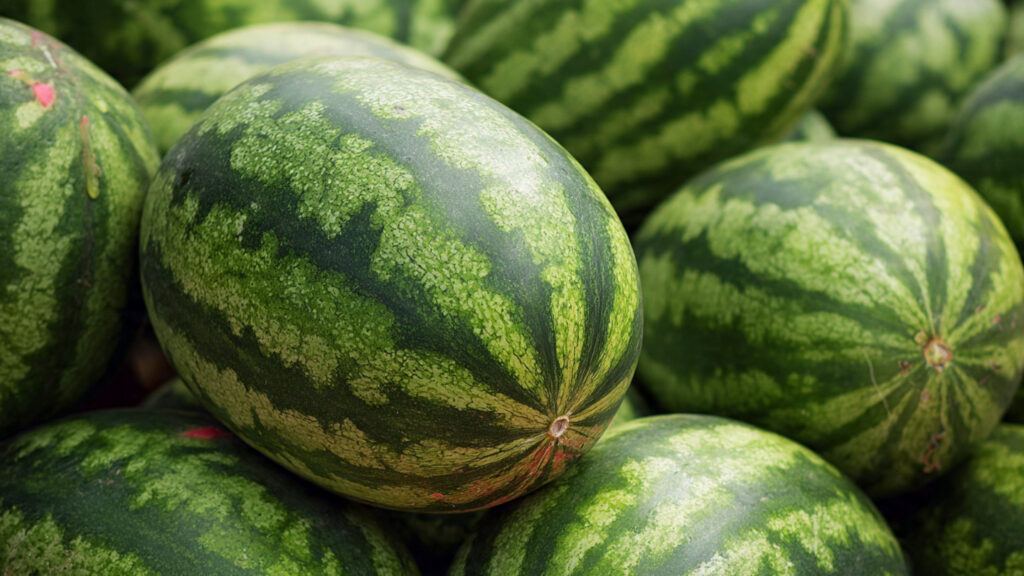
Few fruits evoke the joy of summer quite like a watermelon. Its juicy sweetness, vibrant red flesh, and refreshing crunch make it a staple in backyard gardens and family gatherings. But growing watermelons that are not just edible but exceptionally large and sweet is often seen as a challenge. With the right techniques, soil preparation, and a few little-known secrets, anyone can cultivate record-breaking watermelons right at home. This guide will take you through the step-by-step process to grow big, sweet watermelons that will wow your friends, family, and neighbors.
1. Choosing the Right Variety
The journey to a record-breaking watermelon harvest begins with selecting the right variety. Watermelon varieties differ in size, sweetness, rind texture, and growth habit. Popular homegrown varieties include:
- Sugar Baby: Small, round, very sweet, ideal for limited space.
- Charleston Gray: Large, oblong, with sweet, crisp flesh.
- Crimson Sweet: Medium to large, with classic red flesh and sugary flavor.
- Jubilee: Long, striped, capable of producing very large fruits.
For big watermelons, focus on varieties known for their size potential, such as Crimson Sweet or Jubilee. Seed selection from reputable suppliers ensures healthy, high-yield plants.
2. Optimal Growing Conditions
Watermelons are warm-season crops that thrive in sunny, well-drained environments.
Sunlight:
- Requires at least 8–10 hours of direct sunlight daily.
- Full sun exposure ensures maximum sugar development and faster growth.
Temperature:
- Watermelons prefer daytime temperatures of 70–85°F (21–29°C) and nighttime temperatures above 60°F (16°C).
- Avoid planting too early; frost can damage tender seedlings.
Soil Requirements:
- Well-draining sandy loam soil is ideal.
- Soil should be rich in organic matter with a pH of 6.0–7.0.
- Incorporate compost, aged manure, or organic fertilizers before planting to enhance fertility.
3. The Secret: Soil Preparation for Maximum Sweetness
The little-known secret to record-breaking watermelons lies in meticulous soil preparation. Sugar content, fruit size, and flavor all begin in the soil.
Step 1: Deep Loosening
Watermelons have long vines and deep roots. Loosen soil to a depth of 12–18 inches to allow roots to expand and absorb nutrients efficiently.
Step 2: Organic Enrichment
Mix in 3–5 inches of compost or well-rotted manure. This provides essential nutrients like nitrogen, phosphorus, potassium, and trace minerals.
Step 3: Soil Solarization (Optional but Powerful)
Before planting, cover moist soil with clear plastic for 4–6 weeks. This process warms the soil, suppresses pathogens, and encourages nutrient availability, giving seedlings a head start.
Step 4: Mulching for Moisture and Heat
Once plants are established, apply black plastic or organic mulch around the base. This retains moisture, regulates soil temperature, and enhances sugar production in the fruits.
4. Starting from Seeds
Starting watermelon seeds indoors can give you an early advantage.
Seed Germination:
- Sow seeds in seed trays ½ inch deep using a seed-starting mix.
- Maintain soil temperature at 75–85°F (24–29°C).
- Germination occurs within 5–10 days.
Seedling Care:
➡️ How to Grow Malabar Spinach from Cuttings for Fast, Easy Greens
➡️ How to Grow Super Delicious Cabbage at Home Without a Garden
➡️ How to Grow Bean Sprouts at Home in Plastic Bottles Easily (Step‑by‑Step Guide)
➡️ Why is Your Lemon Tree Blooming in the Heart of Winter?
➡️ Why Should Your Garden Have a Dedicated Pollinator Highway?
➡️ Why Do Your Fruit Trees Need a Winter Wash to Thrive in Spring?
➡️ How Can Rice Water Transform Your Fruits into Sweeter Delights?
➡️ Jumpstart Your Winter Garden: Seed Starting Under Lights
- Keep soil moist but not waterlogged.
- Provide 12–14 hours of light per day if growing indoors.
- Transplant seedlings outdoors when they have 2–3 true leaves and the soil temperature is consistently above 70°F (21°C).
5. Planting and Spacing
Proper planting and spacing are critical for big watermelons. Crowded plants compete for nutrients, resulting in smaller fruits.
Steps for Planting:
- Dig holes 12–18 inches deep, enriched with compost or fertilizer.
- Place seedlings gently, covering roots with soil, and water thoroughly.
- Space plants 4–6 feet apart in rows 6–8 feet apart to accommodate sprawling vines.
Vine Management:
- Guide vines to spread out in different directions to prevent overcrowding.
- Avoid pinching or cutting vines, as this can reduce fruit size.
6. Watering Strategy
Watering is crucial for growth and sweetness. Watermelons require consistent moisture but do not tolerate waterlogged soil.
Watering Guidelines:
- Water deeply once or twice a week depending on rainfall.
- Reduce watering 2–3 weeks before harvest to concentrate sugars in the fruit.
- Use drip irrigation or soaker hoses to maintain consistent moisture without wetting foliage, which can lead to disease.
7. Fertilization: Feeding for Size and Sweetness
Proper fertilization at the right time maximizes fruit size and sugar content.
Early Growth:
- Apply a nitrogen-rich fertilizer to promote leafy growth.
Flowering and Fruiting:
- Switch to phosphorus and potassium-rich fertilizers to encourage flowering and fruit development.
- Foliar sprays of calcium and magnesium can prevent blossom-end rot and enhance sweetness.
Tip: Avoid over-fertilizing with nitrogen during fruit development, as it leads to large leaves but smaller, less sweet fruits.
8. Pollination
Watermelons rely on pollinators like bees to set fruit. Inadequate pollination results in small, misshapen fruits.
Tips for Successful Pollination:
- Encourage pollinators by planting flowers nearby.
- If growing indoors or in a greenhouse, hand-pollinate by transferring pollen from male to female flowers using a small brush.
Identifying female flowers is simple: they have a small swelling at the base that will develop into fruit.
9. Pruning for Record-Breaking Fruits
While watermelons naturally produce multiple fruits per vine, focusing the plant’s energy on fewer fruits produces larger, sweeter melons.
Pruning Tips:
- Allow 2–3 main fruits per vine; remove excess flowers and small fruits.
- Trim small lateral vines to direct nutrients to the main fruit.
This method ensures that the plant channels all its resources into producing one or two giant, sugary watermelons.
10. Pest and Disease Management
Healthy plants produce larger fruits. Prevent pests and diseases proactively.
Common Pests:
- Aphids: Spray with neem oil or insecticidal soap.
- Cucumber beetles: Handpick or use row covers early in the season.
- Squash bugs: Remove by hand or use organic sprays.
Common Diseases:
- Powdery mildew: Maintain airflow, use sulfur or neem oil.
- Fusarium wilt: Rotate crops annually.
- Downy mildew: Apply preventive fungicides and avoid overhead watering.
11. Harvesting Big, Sweet Watermelons
Harvesting at the perfect time ensures maximum sweetness and size.
Signs of Ripeness:
- Ground spot turns creamy yellow.
- Tendrils near the fruit dry and brown.
- The fruit sounds hollow when tapped.
- The skin becomes dull and less shiny.
Harvesting Tips:
- Use a sharp knife to cut the fruit from the vine, leaving 2–3 inches of stem attached.
- Avoid pulling, as it can damage the vine and other fruits.
After harvest, allow watermelons to rest at room temperature for a day or two to further enhance sweetness.
12. Additional Tips for Record-Breaking Success
- Soil Testing: Regularly test soil for nutrient deficiencies.
- Companion Planting: Planting marigolds or basil nearby can repel pests.
- Row Covers: Protect young seedlings from pests and early-season cold.
- Sunlight Maximization: Ensure vines aren’t shaded by larger plants or structures.
- Consistent Monitoring: Regularly check for signs of disease, pests, and nutrient deficiencies.
Conclusion
Growing big, sweet watermelons at home is not just a dream—it’s entirely achievable with the right approach. The little-known secret lies in thorough soil preparation, smart pruning, consistent watering, and careful attention to pollination and nutrient management. By selecting high-yield varieties, providing optimal growing conditions, and following these steps, your home garden can produce watermelons that are not only impressively large but also bursting with natural sweetness. With patience, care, and the right techniques, you’ll enjoy record-breaking watermelons that are the highlight of every summer feast.