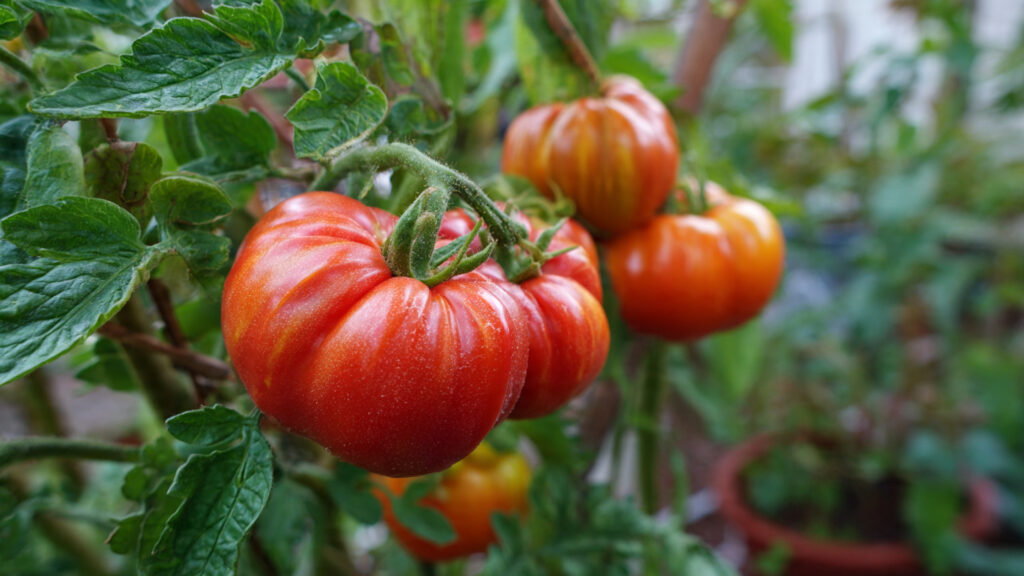
Tomatoes are one of the most popular garden vegetables worldwide, cherished for their flavor, versatility, and nutritional benefits. From fresh salads to homemade sauces, nothing beats the taste of homegrown tomatoes. Yet, many gardeners struggle with achieving consistently large, juicy harvests. Poor yields, small fruits, disease, or complicated maintenance often dampen enthusiasm. What if there was a simple method that could dramatically increase your tomato harvest with minimal effort? The good news is: there is. This article reveals a proven tomato-growing method that will help you achieve a massive, juicy harvest with almost no effort, and it’s something I wish I knew much earlier.
Understanding the Challenges in Tomato Growing
Before diving into the method, it’s important to understand why tomato plants often fail to produce abundant, quality fruit:
- Poor soil preparation: Tomatoes are heavy feeders and require nutrient-rich soil.
- Improper watering: Overwatering or underwatering can stunt growth or cause blossom drop.
- Pests and diseases: Aphids, whiteflies, fungal infections, and blight are common problems.
- Inadequate sunlight: Tomatoes need at least 6–8 hours of direct sunlight daily.
- Lack of support: Unstaked plants can bend or break, affecting fruit development.
Many gardeners struggle because they follow traditional planting techniques without addressing these key issues. The new method focuses on creating optimal growing conditions while reducing manual labor and maintenance.
Step 1: Choosing the Right Tomato Variety
The first step to effortless, high-yield tomato growing is selecting the right variety. Tomatoes can be categorized as:
- Determinate varieties: Grow to a fixed size, produce fruit all at once, and are ideal for small spaces or container gardening.
- Indeterminate varieties: Grow continuously and produce fruit throughout the season. These can yield more over time if properly supported.
For maximum harvest, choose disease-resistant varieties that are suited for your climate. Hybrids like ‘Big Boy’, ‘Celebrity’, or cherry types such as ‘Sweet 100’ often perform exceptionally well.
Step 2: Prepping the Soil — The Key to Effortless Growth
Tomatoes thrive in fertile, well-draining soil with a slightly acidic to neutral pH (6.0–7.0). This is a game-changer for larger, juicier fruits. To prepare the soil:
- Loosen the soil to a depth of at least 12–15 inches to promote strong root growth.
- Incorporate organic matter like compost, well-rotted manure, or vermicompost. This improves nutrient content and water retention.
- Add slow-release fertilizers that contain nitrogen, phosphorus, and potassium to support growth and flowering.
Healthy, nutrient-rich soil reduces stress on plants, making them less prone to disease and increasing fruit size naturally.
Step 3: The Secret of Pre-Seedling Care
One of the most overlooked steps is giving your tomato seeds a strong start. Pre-seedling care ensures faster germination and healthier plants.
- Seed soaking: Soak seeds in lukewarm water for 12–24 hours before planting to jump-start germination.
- Seedling trays: Start seeds in small, shallow trays with a light, well-draining seed mix.
- Optimal temperature: Keep seedlings in a warm environment (70–75°F) with consistent moisture.
- Sunlight or grow lights: Ensure seedlings receive 12–14 hours of light daily.
This method produces strong, healthy seedlings that are less prone to disease and more capable of producing massive fruit.
Step 4: Transplanting — The Deeper You Plant, The Stronger They Grow
A little-known secret for massive tomato harvests is deep planting. Unlike many plants, tomatoes can develop roots along their buried stems. This promotes a stronger root system, which in turn supports bigger, juicier fruits.
- Dig a hole deep enough to bury two-thirds of the seedling stem.
- Remove the lower leaves before planting.
- Cover the stem with soil, leaving the top few leaves exposed.
Deep planting allows the plant to absorb more nutrients and water efficiently, creating a sturdier, more productive tomato plant.
Step 5: The Effortless Watering Technique
Tomatoes require consistent moisture, but overwatering can be just as harmful as drought. The new high-yield method uses mulch and drip irrigation to minimize effort while maximizing results.
- Mulch: Cover the soil around each plant with straw, grass clippings, or coconut husks. Mulch retains moisture, suppresses weeds, and regulates soil temperature.
- Drip irrigation: If possible, use drip lines to provide slow, steady water directly to roots. This reduces evaporation and ensures even watering without constant monitoring.
Consistent moisture reduces blossom drop, prevents fruit cracking, and supports rapid growth with minimal effort.
Step 6: Supporting Your Plants
Tomatoes, especially indeterminate varieties, need support to prevent stems from bending or breaking under the weight of fruit. The simple and low-effort method involves:
- Cages or trellises: Place a sturdy cage around each plant at transplanting. This eliminates the need for constant tying and adjusting.
- Pruning unnecessary shoots: Remove small side shoots (suckers) near the base to allow the plant to focus energy on producing larger fruit.
Support and pruning ensure the plant’s energy goes directly into fruit production, rather than wasting resources on excessive foliage.
➡️ How to Grow Malabar Spinach from Cuttings for Fast, Easy Greens
➡️ How to Grow Super Delicious Cabbage at Home Without a Garden
➡️ How to Grow Bean Sprouts at Home in Plastic Bottles Easily (Step‑by‑Step Guide)
➡️ Why is Your Lemon Tree Blooming in the Heart of Winter?
➡️ Why Should Your Garden Have a Dedicated Pollinator Highway?
➡️ Why Do Your Fruit Trees Need a Winter Wash to Thrive in Spring?
➡️ How Can Rice Water Transform Your Fruits into Sweeter Delights?
➡️ Jumpstart Your Winter Garden: Seed Starting Under Lights
Step 7: Fertilization for Juicy, Massive Fruits
Fertilization is often seen as time-consuming, but there is a simple, low-effort way to feed tomatoes effectively:
- Liquid fertilizer: Every 2–3 weeks, feed plants with a diluted liquid fertilizer high in potassium and phosphorus. This stimulates flower and fruit development.
- Organic options: Compost tea, fish emulsion, or seaweed extract works wonders for fruit size and flavor.
Regular feeding encourages bigger flowers, which eventually develop into large, juicy tomatoes without requiring constant manual labor.
Step 8: Pest and Disease Control Made Easy
Pests like aphids, whiteflies, and fungal infections are common obstacles. A high-yield, low-effort approach uses preventive measures:
- Neem oil or insecticidal soap: Spray every 10–14 days to control pests naturally.
- Proper spacing: Avoid overcrowding to reduce fungal diseases.
- Clean garden beds: Remove fallen leaves and debris to prevent disease spread.
By addressing pest problems early and preventing conditions that favor disease, your plants remain healthy and productive with minimal ongoing effort.
Step 9: Maximizing Fruit Production
For an even bigger harvest, encourage more flowers and fruit by:
- Pinching early flowers: Remove the first 2–3 flowers to redirect energy to strong stem and root development.
- Pollination aid: Gently shake flowers or use a small brush to help pollination, especially in areas with few bees.
These small tweaks lead to larger, juicier tomatoes and a longer fruiting season.
Step 10: Harvesting at the Peak
Timing your harvest correctly ensures tomatoes are juicy and flavorful:
- Color cues: Pick fruit when it has reached full color, slightly firm but not hard.
- Frequent picking: Regular harvesting encourages more fruit to develop.
- Avoid leaving overripe fruit: Overripe tomatoes can attract pests and reduce overall yield.
Proper harvesting is the final step to enjoying the fruits of your low-effort, high-yield method.
Why This Method Works
This tomato-growing technique works because it focuses on strengthening the plant at every stage. Healthy roots, optimal sunlight, consistent water, and support systems reduce plant stress, allowing energy to flow directly into fruit production. By minimizing repetitive tasks such as constant watering, pest control, and manual tying, gardeners can achieve larger, juicier tomatoes without exhausting effort.
Additional Tips for Effortless Success
- Container gardening: This method works for pots and raised beds as well as garden soil.
- Crop rotation: Avoid planting tomatoes in the same spot consecutively to prevent soil-borne diseases.
- Companion planting: Basil, marigolds, and nasturtiums deter pests and improve tomato growth naturally.
- Record keeping: Track planting dates, fertilizer schedules, and watering routines to refine your technique year after year.
Conclusion
Growing massive, juicy tomatoes doesn’t have to be complicated or labor-intensive. By selecting the right variety, preparing nutrient-rich soil, starting seedlings carefully, planting deeply, and employing simple watering, fertilization, and support techniques, you can achieve a bountiful harvest with almost no effort. This method not only maximizes yield but also improves the flavor, size, and health of your tomatoes.
Once you experience the thrill of harvesting basket after basket of plump, ripe tomatoes, you’ll understand why gardeners everywhere wish they had known this method earlier. By following these steps, your tomato plants will thrive, and your table will be filled with the fruits of your smart, low-effort gardening strategy.