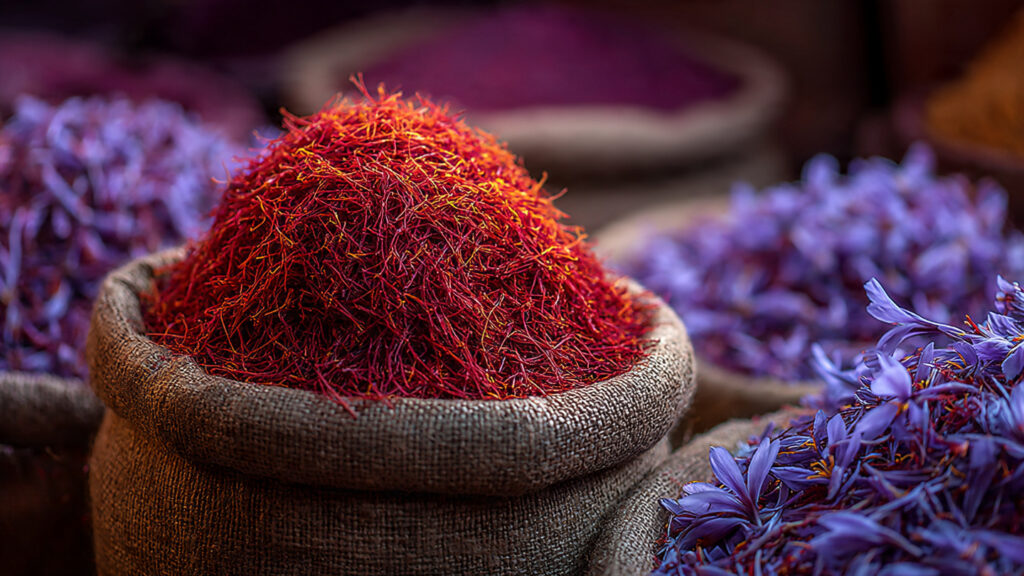
Saffron, often called the “Red Gold,” is one of the most expensive and prized spices in the world. Known for its vibrant color, unique aroma, and delicate flavor, saffron has been a symbol of luxury and culinary prestige for centuries. Its cultivation is labor-intensive, requiring meticulous care and attention, which explains its high market value. But have you ever wondered which country leads the world in saffron production? Let’s explore the history, cultivation, and current status of saffron production globally.
Understanding Saffron: The Golden Spice
Saffron comes from the stigmas of the Crocus sativus flower. Each flower produces only three delicate red stigmas, which are hand-harvested and dried to become the saffron threads we use in cooking. Because of this painstaking process, it takes around 150,000 flowers to produce just one kilogram of saffron, making it the most expensive spice by weight.
The main qualities that determine saffron’s value include its color, flavor, and aroma, which are graded according to international standards. The chemical compounds responsible for these characteristics are crocin (color), picrocrocin (taste), and safranal (aroma).
Historical Background of Saffron Cultivation
Saffron has a rich history, with evidence of its use dating back over 3,000 years. It originated in Greece and Southwest Asia and spread to various regions, including Persia (modern-day Iran), India, Spain, and Morocco. Historically, it has been used not only as a spice but also as a medicinal herb, dye, and even in perfumes.
Over centuries, different countries developed unique cultivation and harvesting techniques, but one nation has consistently dominated global saffron production.
The Global Saffron Market
Saffron is cultivated primarily in regions with hot and dry summers, cold winters, and well-drained soils. Globally, the leading saffron-producing countries include:
- Iran
- India (mainly the Kashmir region)
- Spain
- Afghanistan
- Greece
- Morocco
Among these, Iran stands head and shoulders above all others, producing over 90% of the world’s saffron supply.
Iran: The Largest Saffron Producer in the World
Iran’s dominance in saffron production is a result of a combination of ideal climate, soil conditions, centuries of cultivation experience, and traditional harvesting techniques.
Key Regions in Iran
The main saffron-growing regions in Iran include Khorasan Razavi, South Khorasan, and Kerman. South Khorasan, particularly around the city of Beyhaq (near Mashhad), is renowned for producing the highest quality saffron in the country.
Production Scale
Iran produces approximately 400 to 450 tons of saffron annually, a staggering amount considering the labor-intensive process. Iranian saffron is exported worldwide, with major markets including Europe, India, the United Arab Emirates, and the United States.
Quality and Varieties
Iranian saffron is prized for its deep red color, strong aroma, and potent flavor, often classified as super-negari or sargol, which are premium grades. Farmers in Iran continue to use traditional hand-harvesting methods, ensuring high-quality threads that retain their natural chemical compounds.
Economic Impact
Saffron production is a vital part of Iran’s economy, providing income for tens of thousands of farmers and supporting local communities in rural areas. Despite modern agricultural developments, saffron remains a cultural heritage crop, with knowledge and techniques passed down through generations.
Other Significant Saffron Producers
While Iran dominates the global saffron market, other countries also contribute to saffron cultivation:
India
India’s saffron production is concentrated in Jammu & Kashmir, particularly in the Pampore region. Indian saffron is valued for its deep crimson color and unique aroma. However, India produces less than 5 tons annually, making it a very small player compared to Iran.
Spain
Spain has a long history of saffron cultivation, particularly in regions like La Mancha, which is also famous for its Denomination of Origin (DO) saffron. Spanish saffron is known for its mild aroma and slightly sweeter flavor, and it accounts for around 2-3 tons of global production. Spain is also a significant exporter and processor of saffron, often re-exporting Iranian saffron under Spanish labels.
➡️ How to Grow Malabar Spinach from Cuttings for Fast, Easy Greens
➡️ How to Grow Super Delicious Cabbage at Home Without a Garden
➡️ How to Grow Bean Sprouts at Home in Plastic Bottles Easily (Step‑by‑Step Guide)
➡️ Why is Your Lemon Tree Blooming in the Heart of Winter?
➡️ Why Should Your Garden Have a Dedicated Pollinator Highway?
➡️ Why Do Your Fruit Trees Need a Winter Wash to Thrive in Spring?
➡️ How Can Rice Water Transform Your Fruits into Sweeter Delights?
➡️ Jumpstart Your Winter Garden: Seed Starting Under Lights
Afghanistan
Afghanistan has emerged as a growing saffron producer in recent years, mainly in the Herat province. Afghan saffron is considered high-quality and organic, benefiting from the country’s fertile soil and favorable climate. Production is still limited compared to Iran but has been expanding due to government and NGO-supported saffron farming initiatives.
Greece and Morocco
Greece, particularly the region of Krokos in Kozani, produces a small but highly prized saffron variety called Krokos Kozanis, known for its intense aroma and coloring strength. Morocco also produces saffron in the Taliouine region, which has a long history of cultivation but remains limited in scale.
Factors Behind Iran’s Dominance
Several factors explain why Iran remains the largest saffron producer globally:
- Optimal Climate: Iran’s arid climate, with hot summers and cold winters, is ideal for saffron cultivation.
- Skilled Labor: Centuries of experience in hand-harvesting and processing saffron have created a skilled workforce capable of producing premium quality saffron.
- Large Cultivation Areas: Iran has extensive saffron farms, covering thousands of hectares, allowing large-scale production.
- Government Support: Iranian authorities support saffron cultivation through subsidies, export incentives, and research programs.
- Cultural Significance: Saffron is embedded in Iranian culture, used in cuisine, medicine, and rituals, ensuring sustained interest and knowledge transfer.
Challenges in Global Saffron Production
While saffron is highly profitable, its production faces challenges worldwide:
- Labor Intensity: Hand-harvesting is time-consuming and expensive.
- Climate Sensitivity: Saffron is vulnerable to extreme weather, excessive rainfall, or frost.
- Counterfeit Products: Saffron adulteration is a growing problem, especially in international markets.
- Political and Economic Barriers: In countries like Iran and Afghanistan, sanctions and instability can affect export and trade.
Despite these challenges, saffron remains a highly sought-after commodity with a strong global demand.
Future Trends in Saffron Cultivation
Innovations in saffron cultivation are helping expand production while reducing labor intensity. Some trends include:
- Mechanized Harvesting: Although traditional hand-picking remains standard, experimental mechanized systems are being developed to improve efficiency.
- Hydroponic Saffron: Indoor and hydroponic cultivation of saffron is being explored in countries without suitable climates.
- Organic Saffron Production: Rising global demand for organic produce is encouraging sustainable and chemical-free saffron farming.
While Iran is likely to maintain its position as the largest producer for the foreseeable future, these innovations may allow other countries to increase their output.
Conclusion
When it comes to saffron, Iran is undeniably the world leader, producing more than 90% of the global supply. Its combination of ideal climate, centuries of cultivation expertise, large farming areas, and skilled labor makes it the top saffron-producing nation by a significant margin. While countries like India, Spain, Afghanistan, Greece, and Morocco contribute to global saffron production, none can match Iran’s scale or influence.
Saffron is more than just a spice—it’s a symbol of culture, heritage, and craftsmanship. Understanding where it comes from and how it is produced gives us a deeper appreciation for every golden thread that ends up in our kitchens. Whether you are a culinary enthusiast, a spice trader, or a curious consumer, knowing that Iran leads the world in saffron production highlights the country’s unique contribution to this prized global commodity.