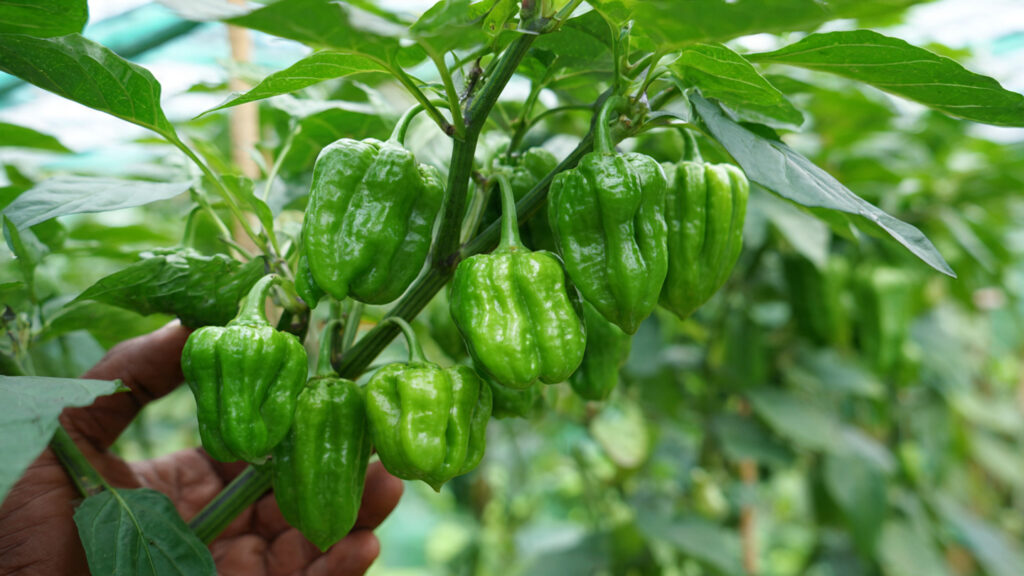
Growing peppers at home is immensely satisfying. Whether you’re cultivating sweet bell peppers, fiery jalapeños, or exotic chili varieties, there’s nothing quite like harvesting your own vibrant, fresh peppers. Yet, many gardeners struggle with pepper plants that produce modest yields despite all their care. If you’ve been asking yourself why your pepper plants aren’t living up to their full potential, there’s one ultimate tip that can drastically increase your harvest: strategic pruning combined with proper nutrition.
In this guide, we’ll explore how applying this technique, along with other essential care practices, can transform your pepper plants into heavy producers, ensuring a bountiful and continuous harvest.
Understanding Pepper Plant Growth
Before diving into techniques, it’s important to understand how pepper plants grow. Peppers are bushy plants with a branching structure. They produce flowers that later develop into fruits, and each flower requires energy and nutrients to reach its potential.
Unpruned plants tend to focus energy on producing numerous branches, which can lead to excessive foliage but fewer flowers and fruits. In other words, a dense, leafy plant might look healthy but often underperforms in terms of pepper yield.
By controlling the plant’s structure and providing the right nutrients, you can shift the energy balance toward fruit production rather than excessive leaf growth.
The Ultimate Tip: Prune for Productivity
Pruning is the key secret to boosting your pepper harvest. Many gardeners avoid pruning, fearing they might damage the plant. However, when done correctly, pruning enhances airflow, sunlight exposure, and fruiting potential.
Here’s a step-by-step approach:
- Start Early: Begin pruning when your pepper plants are young but established. This is usually when they have 4–6 main branches.
- Remove Lower Leaves and Suckers: Trim the lower leaves and any small shoots growing near the base. These lower sections often receive less sunlight and are more prone to disease. Removing them encourages the plant to direct energy to the upper, more productive branches.
- Tip Pruning for Bushiness: Pinch or cut the tips of the main stems once the plant reaches about 12–18 inches tall. This stimulates lateral growth, resulting in more branches that can produce flowers and fruits.
- Remove Old or Yellow Leaves: As the season progresses, remove yellowing or damaged leaves. This reduces the risk of disease and ensures the plant’s resources are focused on healthy growth and fruit development.
- Prune Excess Flowers Early: It may seem counterintuitive, but removing the first few flowers on young plants can help. Early flower removal redirects energy into root and branch development, creating a stronger foundation for a much larger harvest later.
Nutrient Management: Feed for Fruiting
Pruning alone won’t maximize your harvest. Pepper plants also need the right nutrients at the right time. A plant’s nutrient needs change throughout its life cycle:
- Vegetative Stage: Young plants need higher nitrogen levels to support leaf and stem growth.
- Flowering and Fruiting Stage: Once your plants start flowering, reduce nitrogen and increase phosphorus and potassium. Phosphorus promotes flower and root development, while potassium supports fruit growth and overall plant health.
A balanced fertilizer or organic alternatives such as compost tea, bone meal, and wood ash can provide the nutrients your peppers need to thrive. Regular feeding every 2–3 weeks during the fruiting stage can keep plants vigorous and productive.
Watering Techniques for Maximum Yield
Watering is another crucial factor in pepper productivity. Inconsistent watering can stress plants, leading to flower drop and smaller fruits. Follow these guidelines for optimal results:
- Deep, Regular Watering: Provide consistent moisture to encourage deep root growth. Shallow watering leads to weak roots and poor fruit development.
- Avoid Overwatering: Peppers don’t like soggy soil. Overwatering can lead to root rot and nutrient leaching, reducing flower and fruit production.
- Mulching: Apply a layer of organic mulch around the base of the plant. Mulch retains soil moisture, regulates temperature, and reduces weed competition, all of which support heavier yields.
Encourage Pollination
Even the healthiest pepper plant won’t produce without proper pollination. In small gardens or indoor setups, pollination may need a helping hand.
- Manual Pollination: Gently shake the flowers or use a small paintbrush to transfer pollen between flowers.
- Attract Pollinators: Bees and other pollinators improve fruit set naturally. Planting flowers like marigolds, sunflowers, or lavender nearby can attract pollinators to your pepper plants.
Optimize Sunlight Exposure
Peppers love sunlight. For optimal flowering and fruiting, they need at least 6–8 hours of direct sunlight per day.
- Positioning: Place your pepper plants where they get maximum light. In containers, rotate plants periodically to ensure even growth.
- Reflective Surfaces: In areas with partial shade, using reflective surfaces like white walls or light-colored stones can increase available light.
Staking and Support
As peppers grow and begin producing heavy fruit clusters, branches can become weighed down, potentially breaking under the load. Providing support ensures the plant remains upright and healthy:
- Stakes or Cages: Use stakes, trellises, or tomato cages to support branches.
- Soft Ties: Secure stems with soft ties to prevent damage. Avoid tight bindings that can restrict growth.
Supporting your plants also improves air circulation and sunlight exposure, reducing disease risk and encouraging larger yields.
Succession Planting and Continuous Harvest
To maximize your harvest throughout the season, consider succession planting:
➡️ How to Grow Malabar Spinach from Cuttings for Fast, Easy Greens
➡️ How to Grow Super Delicious Cabbage at Home Without a Garden
➡️ How to Grow Bean Sprouts at Home in Plastic Bottles Easily (Step‑by‑Step Guide)
➡️ Why is Your Lemon Tree Blooming in the Heart of Winter?
➡️ Why Should Your Garden Have a Dedicated Pollinator Highway?
➡️ Why Do Your Fruit Trees Need a Winter Wash to Thrive in Spring?
➡️ How Can Rice Water Transform Your Fruits into Sweeter Delights?
➡️ Jumpstart Your Winter Garden: Seed Starting Under Lights
- Stagger Planting: Plant new pepper seeds every few weeks to ensure continuous harvest.
- Prune and Rotate: As older plants finish their production cycle, remove spent plants and replace them with younger ones for uninterrupted supply.
This approach is particularly useful in warmer climates or controlled environments, allowing you to enjoy fresh peppers for months.
Companion Planting for Productivity
Companion planting can improve the health and productivity of your pepper plants. Certain plants repel pests, attract beneficial insects, or enhance soil nutrients:
- Basil: Repels aphids and improves pepper flavor.
- Marigolds: Protect against nematodes and attract pollinators.
- Onions or Garlic: Help deter pests naturally.
Planting compatible companions around your peppers enhances both growth and yield, creating a more resilient garden ecosystem.
Monitoring and Pest Management
Heavy-yielding pepper plants can attract pests if not monitored carefully. Common pests include aphids, whiteflies, and spider mites.
- Regular Inspection: Check leaves and stems for early signs of infestation.
- Natural Remedies: Neem oil, insecticidal soaps, or introducing beneficial insects like ladybugs can manage pests without harming the plant.
- Cleanliness: Remove fallen leaves and debris to prevent disease.
Healthy, pest-free plants naturally produce more flowers and fruits.
Harvesting for Continued Production
Knowing when and how to harvest is crucial for maximizing your yield:
- Pick Regularly: Harvest mature peppers frequently. Leaving ripe peppers on the plant too long signals the plant to slow production.
- Gentle Handling: Use scissors or pruners to cut peppers instead of pulling, which can damage the plant.
Frequent harvesting encourages the plant to continue flowering and producing new peppers, ensuring a steady and abundant supply.
Conclusion
Boosting your pepper harvest isn’t just about luck or fancy fertilizers—it’s about understanding plant growth, applying strategic pruning, and providing the right care at the right time. By pruning for productivity, feeding appropriately, managing water and sunlight, and supporting pollination, you can transform ordinary pepper plants into heavy producers.
With attention to detail, consistent care, and a little patience, your garden can yield an impressive bounty of sweet, spicy, and colorful peppers. Whether for cooking, gifting, or preserving, these techniques ensure you get the most from every plant.
Start implementing these strategies today, and watch as your pepper plants reward you with a harvest far beyond what you imagined. Heavy, vibrant, and continuous—the ultimate goal for every pepper gardener—is now within reach.