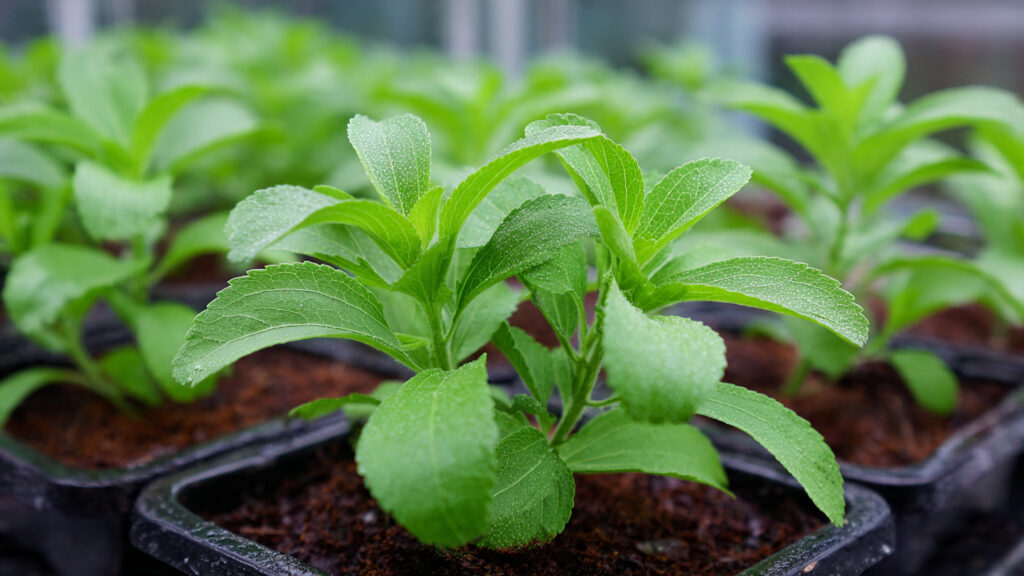
As more people look for healthier alternatives to refined sugar, one plant continues to gain attention: stevia. Known for its intense sweetness and zero-calorie properties, stevia has become a popular ingredient in teas, desserts, and beverages worldwide. But instead of buying processed stevia powder or liquid drops, many gardeners are asking an exciting question—can you really grow your own stevia for a natural sugar substitute?
The simple answer is yes, you absolutely can. With the right conditions and a little care, stevia can thrive in home gardens, containers, and even balcony spaces. In this guide, we’ll explore how stevia works, how to grow it successfully, and how to turn fresh leaves into a natural sweetener you can use daily.
What Is Stevia?
Stevia comes from the plant Stevia rebaudiana, a perennial herb native to South America. Indigenous communities have used its leaves for centuries to sweeten beverages and medicinal teas. The sweetness comes from natural compounds called steviol glycosides, which are many times sweeter than regular sugar but contain virtually no calories.
Unlike artificial sweeteners, stevia is plant-based and minimally processed when used in its natural leaf form. This makes it appealing to people who want a more natural lifestyle.
Why Grow Your Own Stevia?
While stevia products are widely available in stores, growing your own has several advantages:
1. Pure and Chemical-Free
Commercial stevia often goes through heavy processing. Homegrown leaves can be dried and used naturally without additives.
2. Cost-Effective
A single plant can produce hundreds of sweet leaves during the growing season.
3. Fresh Flavor
Fresh stevia leaves have a mild herbal taste that many people find more pleasant than refined powders.
4. Easy to Grow
Stevia is surprisingly beginner-friendly if you provide warm temperatures and well-draining soil.
If you enjoy growing herbs like basil or mint, adding stevia to your garden is a natural next step.
Can Stevia Grow in Your Climate?
Stevia prefers warm, mild conditions. It grows best in temperatures between 20°C and 30°C. The plant is sensitive to frost and does not tolerate freezing temperatures.
In cooler regions, you can:
- Grow stevia as an annual
- Start seeds indoors early
- Grow it in containers and bring indoors during winter
In warmer climates, stevia may behave like a perennial and continue growing year after year.
If you already grow herbs successfully, chances are stevia will adapt well to your space.
Growing Stevia from Seeds or Cuttings
Stevia can be grown from seeds, but germination can sometimes be inconsistent. For beginners, cuttings are often easier and more reliable.
➡️ How to Grow Malabar Spinach from Cuttings for Fast, Easy Greens
➡️ How to Grow Super Delicious Cabbage at Home Without a Garden
➡️ How to Grow Bean Sprouts at Home in Plastic Bottles Easily (Step‑by‑Step Guide)
➡️ Why is Your Lemon Tree Blooming in the Heart of Winter?
➡️ Why Should Your Garden Have a Dedicated Pollinator Highway?
➡️ Why Do Your Fruit Trees Need a Winter Wash to Thrive in Spring?
➡️ How Can Rice Water Transform Your Fruits into Sweeter Delights?
➡️ Jumpstart Your Winter Garden: Seed Starting Under Lights
Starting from Seeds
- Use fresh, high-quality seeds.
- Sow seeds on the surface of moist potting soil.
- Lightly press them down but do not bury deeply.
- Keep soil warm and moist.
- Germination usually takes 1–3 weeks.
Growing from Cuttings
- Take a 10–15 cm cutting from a healthy plant.
- Remove lower leaves.
- Place the stem in water or moist soil.
- Roots typically form within two weeks.
Once rooted, transplant into a larger pot or garden bed.
Ideal Soil and Location
Stevia prefers:
- Well-draining soil
- Slightly acidic to neutral pH (6.5–7.0)
- Rich organic matter
Mix compost into the soil before planting. If growing in containers, use quality potting mix with good drainage.
Choose a sunny location. Stevia needs at least 6 hours of sunlight daily. In extremely hot areas, light afternoon shade helps prevent stress.
Watering and Care
Stevia likes consistent moisture but does not tolerate waterlogged soil.
- Water when the top layer of soil feels dry.
- Avoid letting the plant completely dry out.
- Ensure good drainage to prevent root rot.
Mulching around the base helps retain moisture and regulate soil temperature.
Feeding the Plant
Stevia benefits from moderate feeding.
- Apply compost every few weeks.
- Use a diluted organic liquid fertilizer once a month.
- Avoid over-fertilizing, as too much nitrogen may reduce sweetness.
Healthy growth produces more leaves, which means more natural sweetener for you.
Pruning for Bushier Growth
Regular pruning encourages stevia to grow fuller and produce more leaves.
- Pinch back the top once the plant reaches 20 cm tall.
- Remove flowers when they appear.
Flowering can reduce leaf sweetness, so many gardeners remove buds to focus energy on leaf production.
Harvesting Stevia Leaves
The best time to harvest stevia leaves is just before flowering, when sweetness levels are highest.
To harvest:
- Cut entire stems about 5–10 cm above the soil.
- Or pick individual leaves as needed.
Harvest in the morning after dew dries for best flavor.
A healthy plant can provide multiple harvests in one season.
How to Use Fresh Stevia Leaves
Fresh stevia leaves are extremely sweet—much sweeter than sugar. A little goes a long way.
You can:
- Add a leaf directly to tea
- Blend into smoothies
- Chop finely and mix into herbal drinks
The flavor is slightly herbal, so experimentation helps you find the right balance.
Drying and Storing Stevia
Drying stevia concentrates its sweetness and makes it easier to store.
Air-Drying Method
- Tie stems in small bundles.
- Hang upside down in a warm, dry place.
- Allow 1–2 weeks to dry fully.
Once dry:
- Strip leaves from stems.
- Crush into powder using a mortar or grinder.
- Store in an airtight container.
Properly dried leaves can last for months.
Making Homemade Stevia Powder
To create a simple sugar substitute:
- Ensure leaves are completely dry.
- Grind into a fine powder.
- Sift if necessary.
Remember, stevia is much sweeter than sugar. Start with very small amounts when substituting in recipes.
Common Challenges
1. Poor Germination
Use fresh seeds or switch to cuttings.
2. Yellowing Leaves
Often caused by overwatering or poor drainage.
3. Reduced Sweetness
Harvest before flowering and avoid excess fertilizer.
With small adjustments, most issues are easy to fix.
Is Growing Stevia Worth It?
If you’re looking for a natural, homegrown alternative to refined sugar, stevia is definitely worth trying. While it doesn’t caramelize like sugar or provide bulk in baking, it works wonderfully in beverages and light recipes.
The biggest advantage is control—you know exactly how it’s grown and processed. No additives, no fillers, just pure sweet leaves from your garden.
Comparing Stevia to Sugar
Here’s a simple comparison:
- Calories: Stevia has virtually none; sugar is high in calories.
- Glycemic Impact: Stevia does not spike blood sugar; sugar does.
- Sweetness: Stevia is significantly sweeter per gram.
- Processing: Homegrown stevia is minimally processed.
For those managing weight or reducing sugar intake, stevia can be a helpful addition.
Growing Stevia Indoors
If you don’t have a garden, stevia grows well in pots indoors.
- Use a container at least 15–20 cm deep.
- Place near a sunny window.
- Rotate regularly for even growth.
- Bring indoors before temperatures drop.
Indoor plants may grow slightly slower but can still produce plenty of leaves.
Final Thoughts
So, can you really grow your own stevia for a natural sugar substitute? Absolutely. With warm temperatures, well-draining soil, and consistent care, stevia can become one of the most rewarding herbs in your garden.
It offers a sustainable way to sweeten your drinks and meals while reducing dependence on refined sugar. Whether you grow it in a backyard garden, balcony container, or sunny kitchen window, stevia proves that sometimes the sweetest solutions truly do come straight from nature.