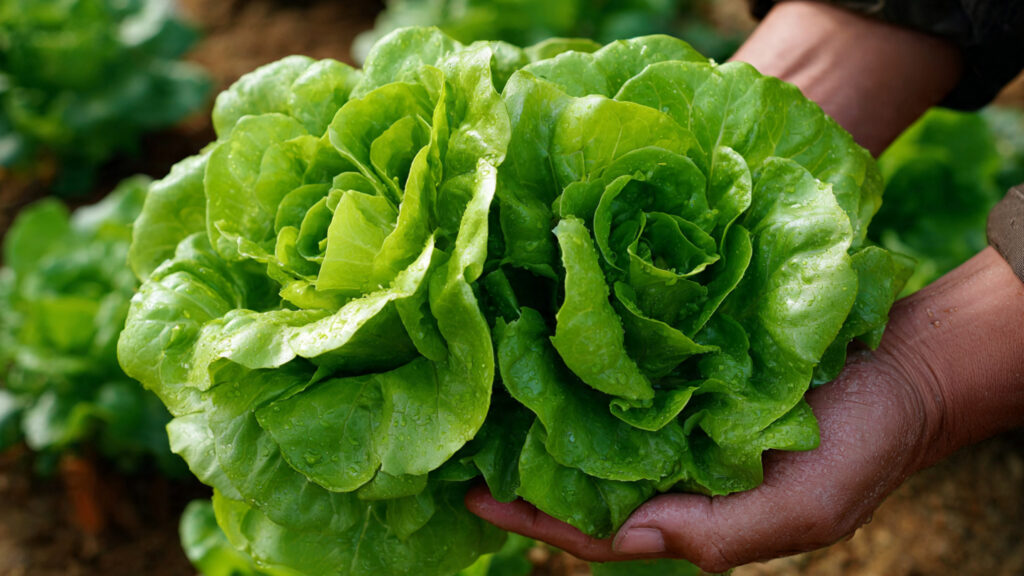
If you love tender, sweet, melt-in-your-mouth salads, butterhead lettuce deserves a prime spot in your home garden. Known for its soft texture and loosely formed heads, butterhead lettuce is one of the most rewarding leafy greens to grow. With the right techniques, you can enjoy continuous harvests of fresh, vibrant leaves straight from your backyard, balcony, or even a sunny windowsill.
Butterhead lettuce belongs to the species Lactuca sativa and includes popular varieties like Boston lettuce and Bibb lettuce. These varieties are prized for their buttery texture, delicate flavor, and beautiful rosette-shaped heads.
This ultimate guide covers everything you need to know — from selecting seeds to harvesting crisp, flawless heads.
Why Choose Butterhead Lettuce?
Butterhead lettuce offers several advantages for home gardeners:
- Fast-growing and beginner-friendly
- Compact size — ideal for small spaces
- Mild, sweet flavor
- High nutritional value
- Suitable for containers and raised beds
Unlike iceberg lettuce, butterhead varieties are more forgiving and adapt well to different growing conditions.
Understanding Butterhead Lettuce Growth
Butterhead lettuce is a cool-season crop. It thrives in temperatures between 10°C and 22°C. In hotter climates, it may bolt (produce flowers) prematurely, which makes the leaves bitter.
Growth timeline:
- Germination: 5–10 days
- Seedling stage: 2–3 weeks
- Head formation: 4–6 weeks
- Harvest: 45–60 days after sowing
For best results, plant during early spring or autumn. In warmer regions, winter is ideal.
Selecting the Right Location
Butterhead lettuce grows best in:
- Full sun (4–6 hours daily)
- Partial shade in warmer climates
- Areas with good air circulation
If you live in a warm region, provide light afternoon shade to prevent heat stress. Shade cloth can significantly reduce premature bolting.
Soil Preparation for Maximum Yield
Lettuce has shallow roots and prefers loose, fertile soil rich in organic matter.
Ideal soil characteristics:
- Well-draining
- Moisture-retentive
- pH between 6.0 and 7.0
- High in compost or organic matter
Before planting:
- Loosen soil to about 6–8 inches deep.
- Mix in well-rotted compost or vermicompost.
- Remove stones and debris.
For container growing, use this mix:
- 40% garden soil
- 30% compost
- 20% cocopeat
- 10% sand or perlite
Good drainage is essential. Waterlogged soil causes root rot.
➡️ How to Grow Malabar Spinach from Cuttings for Fast, Easy Greens
➡️ How to Grow Super Delicious Cabbage at Home Without a Garden
➡️ How to Grow Bean Sprouts at Home in Plastic Bottles Easily (Step‑by‑Step Guide)
➡️ Why is Your Lemon Tree Blooming in the Heart of Winter?
➡️ Why Should Your Garden Have a Dedicated Pollinator Highway?
➡️ Why Do Your Fruit Trees Need a Winter Wash to Thrive in Spring?
➡️ How Can Rice Water Transform Your Fruits into Sweeter Delights?
➡️ Jumpstart Your Winter Garden: Seed Starting Under Lights
Sowing Seeds Properly
Butterhead lettuce can be directly sown or started in seed trays.
Direct Sowing
- Scatter seeds thinly over prepared soil.
- Cover lightly with 0.5 cm of soil.
- Water gently with a spray.
- Keep soil consistently moist.
Thin seedlings once they reach 2–3 inches tall, leaving 8–10 inches between plants.
Starting in Seed Trays
- Sow seeds in shallow trays.
- Transplant after 3–4 weeks when seedlings have 3–4 true leaves.
- Handle carefully to avoid root damage.
Watering Techniques for Healthy Heads
Consistent watering is key to producing tender leaves.
- Keep soil evenly moist.
- Water early in the morning.
- Avoid overhead watering late in the day.
- Do not allow soil to dry out completely.
Irregular watering can cause bitterness or small head formation.
Mulching with straw or dry leaves helps retain moisture and maintain cool soil temperatures.
Fertilizing for Lush Growth
Butterhead lettuce is a light feeder but benefits from steady nutrition.
Recommended feeding schedule:
- Mix compost into soil before planting.
- Apply diluted liquid organic fertilizer every 2–3 weeks.
- Vermicompost works especially well.
Avoid heavy nitrogen fertilizers, which may cause excessive leafy growth without proper head formation.
Temperature Management and Bolting Prevention
High temperatures trigger bolting. When lettuce bolts:
- The stem elongates.
- Leaves become bitter.
- Head formation stops.
To prevent bolting:
- Grow during cool seasons.
- Provide afternoon shade in hot climates.
- Keep soil consistently moist.
- Choose heat-tolerant varieties if growing late in the season.
Succession planting every 2–3 weeks ensures continuous harvest.
Spacing and Air Circulation
Proper spacing ensures good head development.
- Space plants 8–12 inches apart.
- Maintain 12–18 inches between rows.
- Avoid overcrowding.
Good airflow reduces fungal diseases like downy mildew.
Growing Butterhead Lettuce in Containers
Butterhead lettuce grows beautifully in pots and grow bags.
Container requirements:
- Minimum depth: 6–8 inches.
- Wide containers are better than narrow ones.
- Ensure drainage holes.
Place containers where they receive gentle sunlight. In hot weather, move them to partially shaded areas.
Container growing allows better control over soil and watering conditions.
Common Pests and Solutions
Aphids
Small insects that cluster under leaves.
Solution:
- Spray with diluted neem oil.
- Use a strong water spray to dislodge them.
Slugs and Snails
They chew irregular holes in leaves.
Solution:
- Handpick at night.
- Use organic slug barriers.
Caterpillars
They feed on foliage.
Solution:
- Inspect regularly.
- Remove manually.
Healthy soil and proper spacing significantly reduce pest problems.
Harvesting Butterhead Lettuce
You can harvest butterhead lettuce in two ways:
1. Outer Leaf Harvest
Pick outer leaves while allowing the center to continue growing. This extends the harvest period.
2. Full Head Harvest
Cut the entire head at soil level once it reaches maturity (usually 6–8 inches wide).
Harvest early in the morning when leaves are crisp and hydrated.
Storing and Using Fresh Lettuce
Fresh butterhead lettuce should be:
- Washed gently.
- Dried thoroughly.
- Stored in a refrigerator in a breathable bag.
Use within 5–7 days for best flavor and texture.
Butterhead lettuce is ideal for:
- Salads
- Sandwiches
- Wraps
- Burgers
- Garnishes
Its tender leaves and mild sweetness make it superior for fresh eating.
Companion Planting Tips
Butterhead lettuce grows well alongside:
- Carrots
- Radishes
- Spinach
- Onions
Avoid planting near crops that require heavy nutrients.
Companion planting improves garden efficiency and pest control.
Troubleshooting Common Problems
Small or Loose Heads
Cause:
- Poor nutrition
- High temperatures
- Overcrowding
Solution:
- Improve soil fertility.
- Provide shade.
- Thin seedlings properly.
Bitter Leaves
Cause:
- Heat stress
- Water stress
Solution:
- Maintain consistent moisture.
- Grow during cool seasons.
Yellow Leaves
Cause:
- Overwatering
- Nutrient imbalance
Solution:
- Improve drainage.
- Add compost.
Continuous Harvest Strategy
For a steady supply:
- Sow new seeds every 2–3 weeks.
- Rotate growing spots.
- Maintain fertile soil.
This technique ensures you always have lettuce at different growth stages.
Final Thoughts
Cultivating butterhead lettuce at home is simple, satisfying, and highly productive. With cool temperatures, fertile soil, consistent watering, and proper spacing, you can grow soft, buttery heads that rival any store-bought produce.
Whether planted in raised beds, containers, or garden rows, butterhead lettuce rewards you quickly. By following these proven techniques — from seed selection to harvest timing — you can enjoy abundant leafy harvests throughout the growing season.