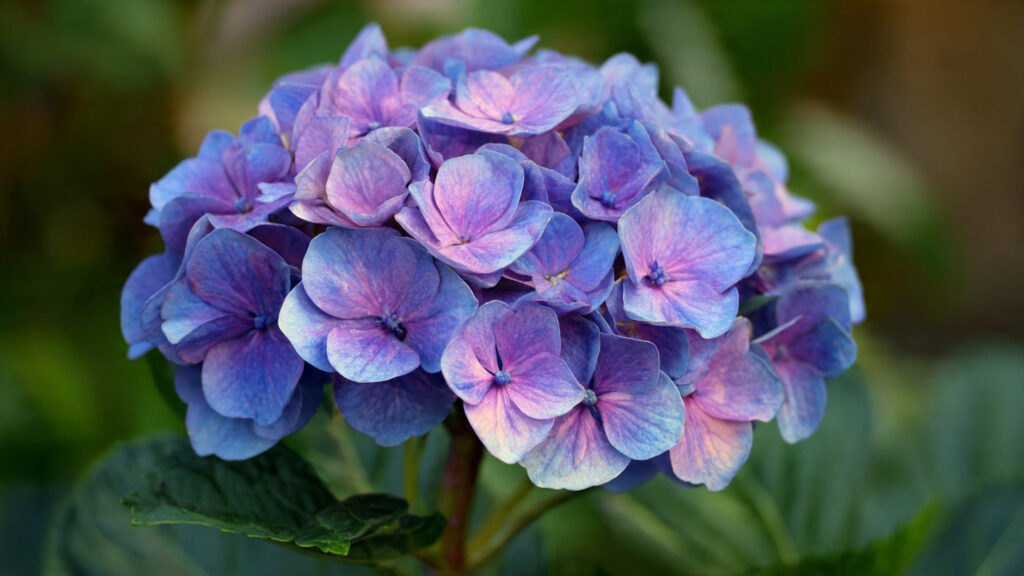
Few garden plants rival the lush beauty of hydrangeas in full bloom. Their oversized flower heads, vibrant colors, and long-lasting display make them a favorite among home gardeners. So it can be frustrating—and confusing—when those once-large blooms begin shrinking year after year.
If your hydrangeas are producing smaller flowers or fewer blooms, you’re not alone. Several factors can gradually reduce flower size and overall plant performance. The good news? Most of these issues are fixable once you understand what’s happening.
Let’s explore the most common reasons your hydrangeas may be getting smaller—and how to restore them to their full glory.
Understanding Your Hydrangea Type Matters
Before diagnosing the problem, you need to know what type of hydrangea you’re growing. Different varieties bloom on different types of wood (old wood vs. new wood), and pruning or care mistakes can significantly impact bloom size.
Common types include:
- Hydrangea macrophylla – Also called mophead or lacecap hydrangeas; bloom on old wood.
- Hydrangea paniculata – Cone-shaped blooms; bloom on new wood.
- Hydrangea arborescens – Known for large white blooms like ‘Annabelle’; bloom on new wood.
- Hydrangea quercifolia – Distinct oak-shaped leaves; bloom on old wood.
If you prune an old-wood bloomer at the wrong time, you may remove next season’s flower buds, resulting in smaller or fewer blooms.
1. Incorrect Pruning Practices
Improper pruning is one of the most common causes of shrinking hydrangea blooms.
Pruning Old-Wood Bloomers Too Late
Bigleaf and oakleaf hydrangeas form next year’s buds soon after flowering. If you prune in late fall, winter, or early spring, you may remove developing buds. The plant then produces weaker, smaller flowers.
Solution:
- Prune old-wood hydrangeas immediately after flowering.
- Remove only spent blooms and weak stems.
- Avoid cutting back heavily unless necessary.
Over-Pruning New-Wood Varieties
While panicle and smooth hydrangeas tolerate pruning better, cutting them back too aggressively every year can stress the plant, leading to reduced bloom size.
Solution:
- Prune in late winter or early spring.
- Remove up to one-third of the plant, not more.
2. Soil Nutrient Imbalance
Hydrangeas are heavy feeders. Over time, soil nutrients can become depleted, especially if you haven’t fertilized regularly.
Too Little Nitrogen
Nitrogen promotes leafy growth, but too little can weaken the plant overall.
Too Much Nitrogen
Ironically, excess nitrogen can also reduce bloom size by encouraging leaf growth instead of flower development.
Phosphorus and Potassium Deficiency
These nutrients are essential for strong flower production. A deficiency may result in smaller blooms.
➡️ How to Grow Malabar Spinach from Cuttings for Fast, Easy Greens
➡️ How to Grow Super Delicious Cabbage at Home Without a Garden
➡️ How to Grow Bean Sprouts at Home in Plastic Bottles Easily (Step‑by‑Step Guide)
➡️ Why is Your Lemon Tree Blooming in the Heart of Winter?
➡️ Why Should Your Garden Have a Dedicated Pollinator Highway?
➡️ Why Do Your Fruit Trees Need a Winter Wash to Thrive in Spring?
➡️ How Can Rice Water Transform Your Fruits into Sweeter Delights?
➡️ Jumpstart Your Winter Garden: Seed Starting Under Lights
Solution:
- Use a balanced fertilizer (such as 10-10-10) in early spring.
- Apply compost annually to enrich soil.
- Avoid high-nitrogen lawn fertilizers near hydrangeas.
3. Soil pH Changes
Soil pH affects nutrient absorption and, in some varieties, flower color.
For example, Hydrangea macrophylla changes color depending on soil acidity. But beyond color, incorrect pH can also affect overall plant health and bloom size.
- Acidic soil (pH below 6) enhances blue blooms.
- Alkaline soil (pH above 7) produces pink blooms.
If soil pH drifts too far from ideal levels, nutrient uptake suffers.
Solution:
- Test soil pH annually.
- Amend soil with sulfur (to lower pH) or lime (to raise pH) if needed.
- Maintain organic matter to stabilize conditions.
4. Insufficient Sunlight
Hydrangeas need the right balance of light to produce large blooms.
Too much shade can reduce flower size significantly. While plants may survive in low light, they lack the energy to produce strong blossoms.
Most hydrangeas thrive with:
- Morning sun
- Afternoon shade (especially in hot climates)
Panicle hydrangeas tolerate more full sun than bigleaf varieties.
Solution:
- Observe sun exposure throughout the day.
- Trim nearby trees or shrubs if possible.
- Transplant to a brighter location if necessary.
5. Water Stress
Hydrangeas are moisture-loving plants. Chronic underwatering stresses the plant and leads to smaller blooms over time.
On the other hand, poorly draining soil that causes root rot can also weaken flower production.
Signs of water stress include:
- Wilting leaves
- Brown leaf edges
- Smaller-than-normal blooms
Solution:
- Water deeply once or twice weekly during dry spells.
- Add mulch to retain soil moisture.
- Ensure soil drains well but stays consistently moist.
6. Aging Plants
As hydrangeas age, older woody stems may produce smaller blooms.
If the plant has been in the same spot for many years without rejuvenation pruning, the center may become crowded and less productive.
Solution:
- Remove 1–3 of the oldest stems at the base each year.
- Encourage new, vigorous growth.
- Avoid cutting all stems at once.
Rejuvenation takes patience, but it can dramatically improve bloom size within a season or two.
7. Overcrowding and Root Competition
Hydrangeas need space for healthy root expansion. If planted too close together or near aggressive trees and shrubs, they may compete for nutrients and water.
Root-bound container hydrangeas are especially prone to producing smaller blooms.
Solution:
- Divide overcrowded plants.
- Repot container plants every few years.
- Space plants according to mature size guidelines.
Healthy roots equal healthy flowers.
8. Harsh Winter Damage
Cold winters can damage flower buds on old-wood bloomers.
Even if the plant survives, damaged buds lead to fewer and smaller flowers.
Late spring frosts are especially damaging.
Solution:
- Protect plants with burlap or frost cloth in winter.
- Avoid fall fertilization that encourages tender growth.
- Consider planting new-wood varieties in colder regions.
9. Improper Mulching
Mulch helps conserve moisture and regulate soil temperature. However, piling mulch too thickly around stems can trap moisture and cause rot.
Excess mulch may also limit oxygen to roots.
Solution:
- Apply 2–3 inches of mulch.
- Keep mulch a few inches away from the base.
- Refresh annually but avoid buildup.
10. Stress from Transplanting
If your hydrangea was moved recently, it may still be adjusting.
Transplant shock can temporarily reduce bloom size.
Solution:
- Water consistently.
- Avoid heavy fertilizing immediately after transplanting.
- Allow one full growing season for recovery.
How to Restore Large, Lush Blooms
If your hydrangeas are shrinking year after year, follow this recovery plan:
- Identify your hydrangea type.
- Adjust pruning timing.
- Test and amend soil.
- Improve sunlight exposure.
- Maintain consistent watering.
- Apply balanced fertilizer in early spring.
- Remove oldest stems annually.
- Protect buds during winter.
Most hydrangeas respond well once stress factors are corrected.
Patience Is Key
Hydrangeas don’t usually decline overnight. Smaller blooms are often a gradual response to accumulated stress—whether from pruning mistakes, nutrient imbalance, or environmental conditions.
The encouraging news is that these plants are resilient. With proper care, they often rebound beautifully within one or two growing seasons.
By paying attention to sunlight, soil health, pruning timing, and consistent moisture, you can restore your hydrangeas to their full, breathtaking size.