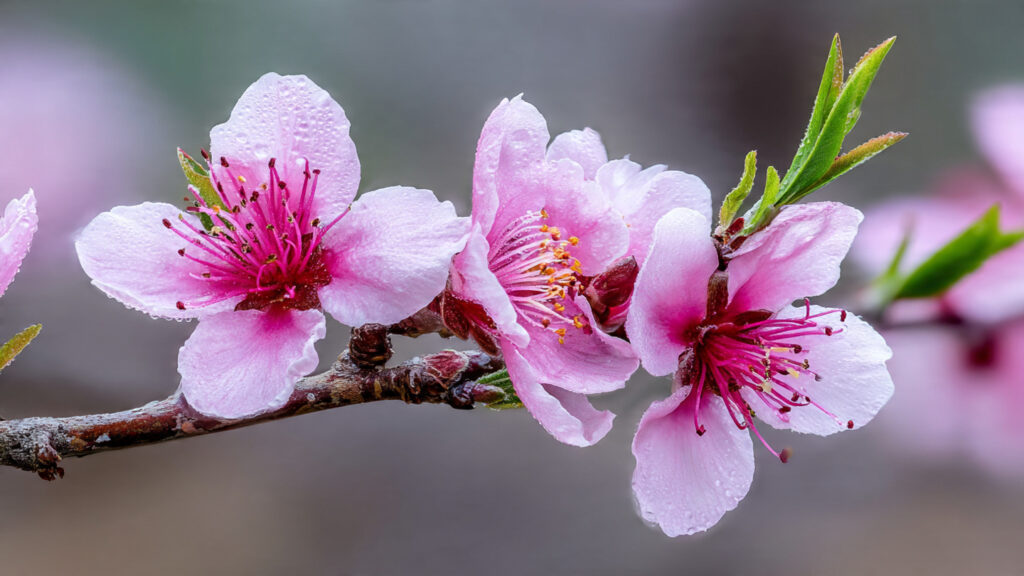
Peaches are often associated with warm, sunny orchards and long southern summers. The idea of harvesting sweet, juicy peaches from your own backyard might seem impossible if you live in a region with harsh winters. However, growing peach trees in cold climates is not only possible—it can be surprisingly successful when you use the right strategies.
Peach trees belong to the species Prunus persica and are traditionally cultivated in moderate to warm regions. Yet with improved cold-hardy varieties and smart gardening techniques, many home gardeners in cooler zones are now enjoying homegrown peaches even after snowy winters.
If you live in a colder climate and dream of picking fresh peaches from your own tree, this guide will walk you through the simple methods that make it achievable.
Understanding the Challenges of Cold Climates
Before planting, it’s important to understand why peaches struggle in colder areas.
1. Winter Temperature Extremes
Peach trees are sensitive to extremely low temperatures. Prolonged exposure below -15°F (-26°C) can damage flower buds, bark, and even kill young trees.
2. Late Spring Frosts
Peach trees bloom early in spring. If a frost hits after the blossoms open, it can destroy the flowers and eliminate that year’s harvest.
3. Shorter Growing Seasons
Cold regions often have fewer frost-free days, meaning fruit must ripen within a shorter window.
The key to success is selecting the right variety and creating a protective environment.
Choose Cold-Hardy Peach Varieties
The most important step is choosing varieties bred specifically for colder zones. Not all peaches can handle freezing winters.
Look for cultivars rated for USDA Hardiness Zones 4 or 5 if you live in a cold area.
Popular cold-hardy options include:
- Reliance peach – One of the hardiest peaches available, tolerant of very low winter temperatures.
- Contender peach – Known for frost-resistant blossoms and excellent flavor.
- Redhaven peach – A reliable mid-season variety with good cold tolerance.
Choosing the right cultivar dramatically increases your chances of success.
Select the Warmest Microclimate
Even in cold climates, small environmental differences can make a big impact.
Plant Near a South-Facing Wall
A wall absorbs heat during the day and releases it at night, moderating temperature swings.
Avoid Frost Pockets
Low areas collect cold air. Plant your tree on slightly elevated ground to prevent frost settling around blossoms.
➡️ How to Grow Malabar Spinach from Cuttings for Fast, Easy Greens
➡️ How to Grow Super Delicious Cabbage at Home Without a Garden
➡️ How to Grow Bean Sprouts at Home in Plastic Bottles Easily (Step‑by‑Step Guide)
➡️ Why is Your Lemon Tree Blooming in the Heart of Winter?
➡️ Why Should Your Garden Have a Dedicated Pollinator Highway?
➡️ Why Do Your Fruit Trees Need a Winter Wash to Thrive in Spring?
➡️ How Can Rice Water Transform Your Fruits into Sweeter Delights?
➡️ Jumpstart Your Winter Garden: Seed Starting Under Lights
Provide Wind Protection
Cold winter winds can dry out bark and damage branches. Plant near fences, buildings, or windbreaks.
Microclimate selection can make a difference of several degrees—sometimes enough to protect delicate flower buds.
Plant at the Right Time
In cold climates, timing is critical.
Plant your peach tree in early spring as soon as the soil is workable. This allows the tree to establish strong roots before the next winter arrives.
Avoid fall planting in cold regions. Young trees may not have enough time to harden off before freezing temperatures set in.
Prepare the Soil Properly
Peach trees need well-drained soil. Cold, wet soil in winter can lead to root rot and winter injury.
Improve Drainage
If your soil is heavy clay, amend it with compost or plant in raised beds.
Maintain Proper pH
Peaches prefer slightly acidic soil, with a pH between 6.0 and 6.5.
Healthy roots are better able to withstand winter stress.
Protect Trees During Winter
Winter protection is essential in colder regions.
Mulch Generously
Apply 3–4 inches of mulch around the base of the tree in late fall. This insulates the roots and stabilizes soil temperatures.
Keep mulch a few inches away from the trunk to prevent rot.
Wrap the Trunk
Young trees are especially vulnerable to sunscald and frost cracks. Use tree guards or wrap trunks with breathable tree wrap during winter.
Consider Burlap Barriers
In extremely cold or windy areas, burlap screens can shield trees from drying winds.
These simple protections can prevent winter damage and improve survival rates.
Delay Bloom to Avoid Frost Damage
One of the biggest challenges in cold climates is late spring frost.
Prune Late
Pruning in late winter rather than early winter can slightly delay blooming.
Choose Late-Blooming Varieties
Some cultivars naturally bloom later, reducing frost risk.
Frost Protection Methods
If frost threatens after blossoms open:
- Cover trees overnight with frost cloth.
- Water the soil before frost (moist soil retains heat better).
- Use string lights (non-LED) under covers for added warmth.
Even a few degrees of protection can save a crop.
Proper Pruning for Cold Regions
Peach trees require annual pruning to stay productive.
Use the open-center (vase) pruning system to allow sunlight and airflow into the canopy.
In cold climates:
- Remove dead or winter-damaged wood in early spring.
- Avoid excessive fall pruning, which may stimulate tender growth before winter.
Healthy structure improves fruit quality and reduces disease risk.
Fertilize Carefully
Over-fertilizing can encourage late-season growth that doesn’t harden off before winter.
In cold climates:
- Apply balanced fertilizer in early spring.
- Avoid fertilizing after midsummer.
Controlled growth ensures the tree prepares properly for dormancy.
Water Wisely
Peach trees need consistent watering during the growing season, especially while fruit is developing.
However, reduce watering in late fall. This encourages the tree to enter dormancy and harden off for winter.
Avoid waterlogged soil at all times, particularly before freezing temperatures.
Thin Fruit for Better Results
Cold climates often stress trees. If too many fruits develop, the tree may struggle to ripen them in a short growing season.
Thin fruit when they are marble-sized, leaving 6–8 inches between peaches. This results in:
- Larger fruit
- Better flavor
- Stronger tree health
Thinning ensures quality over quantity.
Be Patient and Persistent
Peach trees typically begin producing fruit in their second to fourth year. In colder climates, initial growth may seem slower as trees focus on establishing strong roots.
Don’t be discouraged if your first harvest is small. As the tree matures and you refine your protection methods, yields often improve significantly.
Common Mistakes to Avoid
- Choosing a non-hardy variety
- Planting in low-lying frost pockets
- Over-fertilizing late in the season
- Ignoring winter trunk protection
- Failing to thin fruit
Avoiding these common errors greatly increases success.
The Reward: Fresh Peaches in Unexpected Places
Imagine stepping into your backyard in a region known for snowy winters and harvesting sun-ripened peaches. With the right approach, this dream is entirely possible.
Cold climates may present challenges, but they also offer advantages. Winter chill hours—required for proper flowering—are usually abundant in colder areas, leading to strong spring bloom when frost doesn’t interfere.
By selecting cold-hardy varieties, protecting trees during winter, and managing frost risk carefully, you can grow healthy peach trees even in regions once considered unsuitable.
Final Thoughts
Growing peaches in cold climates is no longer an impossible task reserved for warmer regions. Thanks to improved varieties like Reliance peach and smart gardening practices, home gardeners can successfully cultivate Prunus persica even where winters are harsh.
Success depends on preparation, protection, and patience. Choose the right cultivar, plant in the warmest microclimate available, guard against frost and winter damage, and provide consistent care throughout the growing season.
With these simple methods, you can transform your cold-climate garden into a productive peach orchard—and enjoy the sweet reward of homegrown fruit year after year.