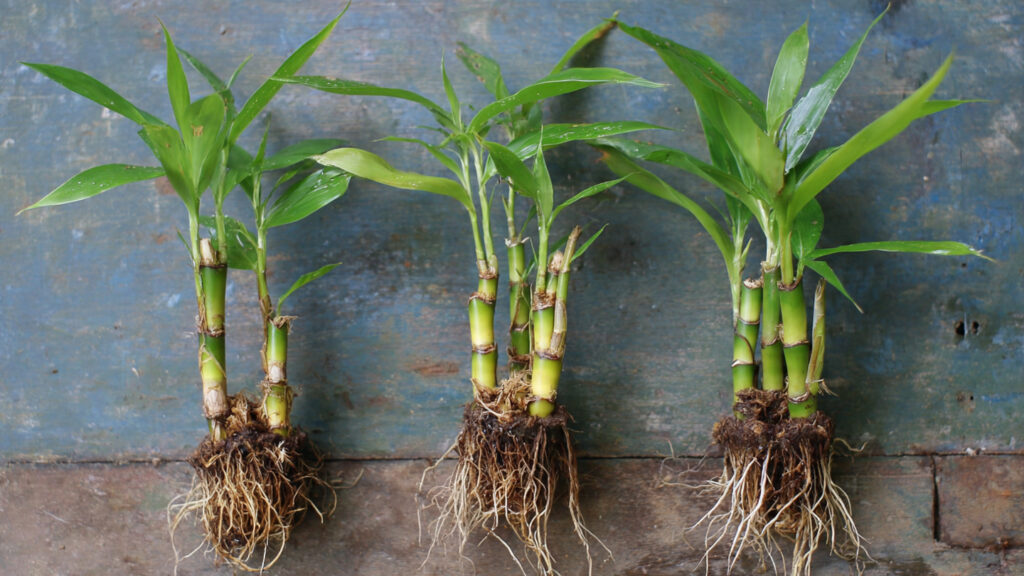
Bamboo is one of the fastest-growing plants on Earth, admired for its graceful appearance, versatility, and resilience. Whether you want to create a natural privacy screen, enhance your garden’s tropical feel, or grow bamboo for practical uses, propagation from cuttings is one of the simplest and most rewarding methods.
The good news? You don’t need advanced gardening skills or expensive equipment. With one simple trick and proper care, you can propagate bamboo from cuttings and enjoy amazing growth in your backyard.
Understanding Bamboo Before You Propagate
Bamboo belongs to the grass family and includes more than a thousand species worldwide. Two primary types dominate home gardening:
- Clumping bamboo – Grows in tight clusters and spreads slowly.
- Running bamboo – Spreads aggressively through underground rhizomes.
One of the most popular ornamental bamboos is Bambusa vulgaris, known for its fast growth and adaptability. Another widely grown group is Phyllostachys, which includes many cold-hardy species.
Understanding your bamboo type is important because propagation success and growth behavior vary slightly between clumping and running varieties.
Why Propagate Bamboo from Cuttings?
Propagation from cuttings offers several benefits:
- It’s cost-effective.
- It ensures the new plant is genetically identical to the parent.
- It allows you to multiply healthy plants quickly.
- It’s faster than growing from seeds (which bamboo rarely produces).
Bamboo grown from cuttings can establish roots within weeks when done correctly.
The Simple Trick for Success
The most effective and simple trick for propagating bamboo is this:
Use healthy culm sections with at least two nodes and seal the top node with soil or wax to retain moisture.
This small step dramatically increases success rates because it prevents moisture loss and encourages root development at the nodes.
Nodes are the ring-like joints on the bamboo stem. Roots and shoots emerge from these points, making them essential for propagation.
Step-by-Step Guide to Propagating Bamboo from Cuttings
1. Choose the Right Parent Plant
Select a mature, healthy bamboo plant that:
- Is at least 1–2 years old
- Has strong green culms (stems)
- Shows no signs of disease or pest damage
Avoid very young or dry culms, as they have lower success rates.
2. Cut the Bamboo Properly
Using clean, sharp pruning shears:
- Cut a healthy culm close to the base.
- Divide it into sections 12–18 inches long.
- Ensure each section has at least two to three nodes.
Healthy cuttings are firm, green, and free from cracks.
➡️ How to Grow Malabar Spinach from Cuttings for Fast, Easy Greens
➡️ How to Grow Super Delicious Cabbage at Home Without a Garden
➡️ How to Grow Bean Sprouts at Home in Plastic Bottles Easily (Step‑by‑Step Guide)
➡️ Why is Your Lemon Tree Blooming in the Heart of Winter?
➡️ Why Should Your Garden Have a Dedicated Pollinator Highway?
➡️ Why Do Your Fruit Trees Need a Winter Wash to Thrive in Spring?
➡️ How Can Rice Water Transform Your Fruits into Sweeter Delights?
➡️ Jumpstart Your Winter Garden: Seed Starting Under Lights
3. Seal the Top Node (The Key Trick)
This is the secret many gardeners overlook.
After cutting:
- Seal the top node with moist soil, clay, or melted garden wax.
- This prevents water from evaporating through the hollow stem.
- It maintains internal moisture and stimulates root growth at the lower nodes.
Without this step, many cuttings dry out before roots develop.
4. Prepare the Planting Medium
Bamboo cuttings require well-draining but moisture-retentive soil.
A good mix includes:
- 50% garden soil
- 25% compost
- 25% sand or cocopeat
This balance keeps the cuttings moist without becoming waterlogged.
5. Horizontal vs. Vertical Planting
You can plant bamboo cuttings in two ways:
Horizontal Method (Highly Effective)
- Lay the cutting horizontally in a shallow trench.
- Cover it lightly with soil, leaving a small part exposed.
- Water thoroughly.
Roots and shoots will emerge from the nodes along the buried section.
Vertical Method
- Insert the lower node into soil.
- Keep one node above ground.
- Water deeply.
Both methods work, but horizontal planting often produces multiple shoots.
6. Watering and Humidity
Bamboo cuttings need consistent moisture during the rooting phase.
- Water lightly but regularly.
- Keep soil damp, not soggy.
- Mist occasionally in dry climates.
If you live in a hot region, partial shade is ideal during early growth.
7. Provide Indirect Sunlight
Avoid direct harsh sunlight for the first few weeks.
Place cuttings in:
- Bright, indirect light
- Light shade
- A sheltered outdoor area
Once new shoots appear, gradually introduce more sunlight.
Root Development Timeline
Here’s what to expect:
- Week 1–2: Nodes swell.
- Week 3–4: Roots begin forming.
- Week 4–6: New shoots emerge.
- Week 8+: Stronger root system develops.
Patience is important. Avoid disturbing the cuttings during this period.
Transplanting Your New Bamboo
Once shoots are 6–12 inches tall and roots are well established:
- Carefully dig around the cutting.
- Transfer to a larger pot or garden bed.
- Water deeply after transplanting.
- Apply mulch around the base.
Bamboo adapts quickly when handled gently.
Boosting Growth Naturally
To encourage amazing growth:
Use Organic Fertilizer
Bamboo loves nitrogen. Apply:
- Compost tea
- Well-rotted manure
- Balanced organic fertilizer
Feed lightly every 4–6 weeks during the growing season.
Mulch Generously
Mulch helps:
- Retain soil moisture
- Regulate temperature
- Improve soil health
Use dried leaves, straw, or bark mulch around the plant.
Ensure Proper Drainage
Standing water can cause root rot. Make sure:
- Soil drains well
- Containers have drainage holes
- Heavy clay soil is amended
Common Mistakes to Avoid
Even though bamboo propagation is simple, mistakes can reduce success rates.
1. Using Old or Dry Culms
Dry stems lack the moisture needed for root development.
2. Skipping the Sealing Trick
Unsealed hollow stems lose water quickly and fail to root.
3. Overwatering
Too much water suffocates developing roots.
4. Planting in Deep Shade
Insufficient light slows growth significantly.
Growing Bamboo in Containers
If you want controlled growth, especially for running varieties, grow bamboo in large containers.
Choose pots that are:
- Wide and deep
- At least 18–24 inches in diameter
- Made from sturdy material
Container-grown bamboo requires more frequent watering but spreads less aggressively.
Managing Growth Long-Term
Bamboo grows fast once established.
To manage it:
- Prune older culms annually.
- Remove weak shoots.
- Divide clumping bamboo every few years.
- Install root barriers for running varieties.
With proper care, bamboo can become a stunning and sustainable feature in your garden.
Environmental Benefits of Bamboo
Beyond beauty, bamboo offers:
- Natural privacy screening
- Erosion control
- Wildlife habitat
- Carbon absorption
It’s one of the most eco-friendly plants you can grow.
Final Thoughts
Propagating bamboo from cuttings doesn’t require a greenhouse or expensive tools. With healthy culm sections, proper moisture control, and the simple trick of sealing the top node, you can dramatically increase your success rate.
Within weeks, you’ll see fresh shoots emerging — a rewarding sign that your propagation worked. As the bamboo matures, it will reward you with lush greenery, graceful movement in the breeze, and rapid growth that transforms your garden space.
Whether you’re aiming for a tropical look, a privacy barrier, or a sustainable plant resource, bamboo propagation is a simple, affordable, and highly satisfying gardening project.