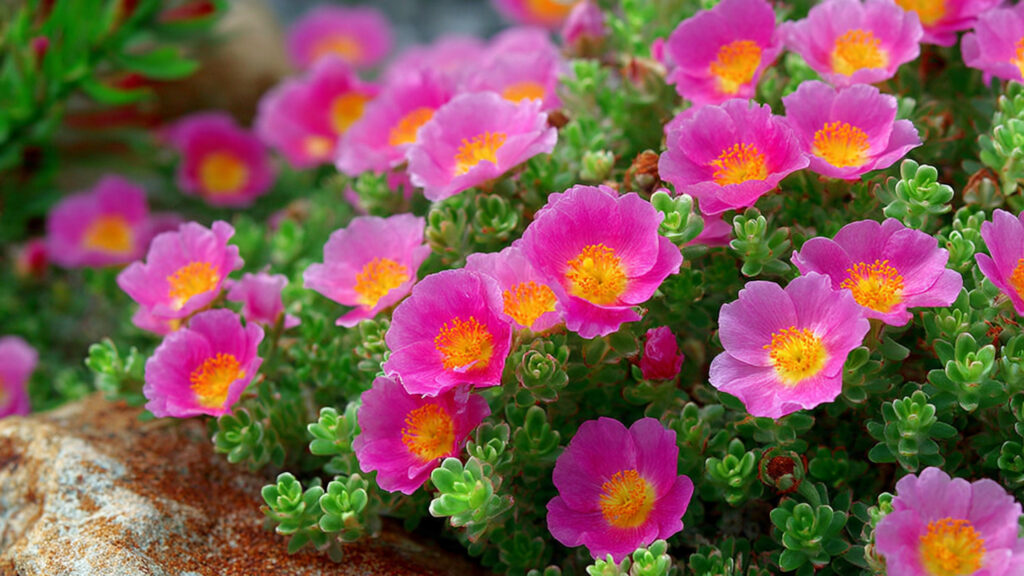
Creating a stunning flower carpet in your garden can transform an ordinary outdoor space into a vibrant oasis of color and life. Among the many options for ground-cover flowers, Portulaca, commonly known as moss rose, stands out for its resilience, low maintenance, and dazzling blooms. If you’ve ever admired a garden bursting with tiny, brightly colored flowers that seem to carpet the ground, chances are you were looking at Portulaca in action. This article explores the best techniques for cultivating Portulaca to achieve a lush, vibrant flower carpet in your garden.
Understanding Portulaca: The Perfect Ground Cover
Portulaca is a succulent flowering plant that thrives in sunny, dry environments. Native to South America, this hardy plant is prized for its ability to withstand heat, drought, and poor soil conditions. Portulaca produces small, vibrant flowers in shades of red, pink, yellow, orange, and white, which bloom profusely throughout the summer and into early autumn. Its trailing habit makes it ideal for creating flower carpets, container displays, or hanging baskets.
One of the key advantages of Portulaca is its low maintenance nature. Unlike many flowering plants that require rich soil, frequent watering, and careful pruning, Portulaca flourishes with minimal attention. Understanding its natural growth habits and environmental preferences is the first step toward cultivating a thriving flower carpet.
Selecting the Right Site for Your Portulaca Carpet
The success of your Portulaca carpet largely depends on choosing the right location. Portulaca is a sun-loving plant that requires at least 6 to 8 hours of direct sunlight daily. Full sun exposure not only encourages abundant blooms but also helps the plants maintain a compact, vibrant growth habit. Shady areas can result in leggy plants with fewer flowers.
Soil conditions are equally important. Portulaca thrives in well-draining, sandy or loamy soil. Avoid heavy clay soils that retain water, as excessive moisture can lead to root rot. If your garden soil is dense, consider amending it with sand or organic matter to improve drainage. Raised beds or slightly elevated planting areas can also enhance drainage and prevent waterlogging during rainy periods.
Preparing the Soil for Planting
Even though Portulaca is relatively undemanding, preparing the soil properly sets the stage for a healthy flower carpet. Begin by removing weeds, rocks, and debris from the planting area. Loosen the soil to a depth of at least 6 inches, incorporating compost or well-rotted organic matter to improve fertility without making the soil too rich. Overly fertile soil can encourage excessive foliage growth at the expense of flowers.
Next, level the soil and lightly firm it to create a smooth, even surface for planting. Portulaca seeds are tiny and need good seed-to-soil contact for successful germination. If you are planting transplants, ensure that the soil is loose enough to allow roots to establish easily but not so loose that seedlings are unstable.
Choosing Between Seeds and Transplants
Portulaca can be grown either from seeds or nursery-bought seedlings. Each method has its advantages:
- Seeds: Growing Portulaca from seeds is cost-effective and allows for a wide range of color combinations. Sow seeds directly in the garden after the last frost, as they require warm soil for germination. Scatter the seeds evenly over the prepared soil, lightly press them into the surface, and water gently. Germination typically occurs within 10 to 14 days.
- Transplants: Using young plants or seedlings from a nursery speeds up the process and ensures stronger, established plants. Space transplants 6 to 12 inches apart to allow for spreading and to create a dense flower carpet more quickly.
For a truly vibrant carpet effect, consider combining both seeds and transplants. Seeds fill in gaps between young plants, creating continuous color as the season progresses.
Planting Techniques for Maximum Coverage
To achieve a lush flower carpet, proper planting techniques are essential. Portulaca has a trailing habit, so spacing and arrangement play a crucial role in coverage:
- Grid Pattern: Plant in a grid with 6 to 12 inches between each plant. This spacing allows each plant to spread naturally and interlock with neighboring plants, creating a seamless carpet effect.
- Clusters: For a more natural, informal look, plant in small clusters. Space clusters about 12 inches apart, allowing flowers to mingle as they grow and fill the gaps over time.
- Layering Colors: Mix different colored Portulaca plants to achieve a vibrant mosaic effect. Alternating rows or clusters of colors can create dynamic visual interest in the flower carpet.
Watering and Maintenance
Although Portulaca is drought-tolerant, regular watering during establishment is essential. After planting, water gently but thoroughly to encourage root development. Once established, Portulaca requires minimal watering. Overwatering can lead to root rot and reduced flowering, so it’s best to allow the soil to dry out between waterings.
Maintenance for Portulaca is simple:
- Deadheading: Unlike many flowers, Portulaca does not require frequent deadheading. Spent blooms will naturally fall off, allowing new buds to form.
- Fertilization: Fertilize sparingly with a balanced, slow-release fertilizer once at the beginning of the growing season. Excessive fertilizer can promote leafy growth rather than flowers.
- Weeding: Keep the planting area weed-free to reduce competition for nutrients and sunlight. Mulching with sand or fine gravel can help suppress weeds and enhance drainage.
Dealing with Common Issues
Portulaca is remarkably resilient but can face some challenges. Here’s how to handle common problems:
- Pests: Aphids and mealybugs may occasionally appear. Use insecticidal soap or neem oil to control infestations.
- Diseases: Root rot is the most common disease, caused by overwatering or poorly draining soil. Ensure proper drainage and avoid excessive watering.
- Leggy Growth: Insufficient sunlight can lead to tall, leggy plants with fewer flowers. Move plants to a sunnier location or trim back long stems to encourage compact growth.
Expanding and Refreshing Your Flower Carpet
Portulaca spreads quickly, but you can encourage a fuller, more vibrant carpet by propagating cuttings. Take small stem cuttings, allow them to dry for a few hours, then plant them in well-draining soil. This method is especially effective for refreshing older flower beds or expanding coverage.
Additionally, Portulaca can be grown in containers or hanging baskets. Trailing varieties spill gracefully over edges, providing a cascading carpet effect that complements garden beds or patios. Containers also allow for easy relocation to sunnier spots as needed.
➡️ How to Grow Malabar Spinach from Cuttings for Fast, Easy Greens
➡️ How to Grow Super Delicious Cabbage at Home Without a Garden
➡️ How to Grow Bean Sprouts at Home in Plastic Bottles Easily (Step‑by‑Step Guide)
➡️ Why is Your Lemon Tree Blooming in the Heart of Winter?
➡️ Why Should Your Garden Have a Dedicated Pollinator Highway?
➡️ Why Do Your Fruit Trees Need a Winter Wash to Thrive in Spring?
➡️ How Can Rice Water Transform Your Fruits into Sweeter Delights?
➡️ Jumpstart Your Winter Garden: Seed Starting Under Lights
Seasonal Care and Longevity
Portulaca is an annual in most climates, meaning it completes its life cycle in one season. To ensure continuous bloom throughout the summer:
- Succession Planting: Sow new seeds every few weeks to maintain a steady display of flowers.
- Protect from Frost: In colder regions, Portulaca does not tolerate frost. If you wish to keep plants over winter, grow them in pots indoors or in a greenhouse.
By following these techniques, you can enjoy a continuous, vibrant flower carpet that delights the eyes and provides habitat for pollinators such as bees and butterflies.
Conclusion
Cultivating Portulaca as a flower carpet is an excellent way to introduce color, texture, and low-maintenance beauty to your garden. By selecting a sunny site, preparing well-draining soil, choosing the right planting method, and maintaining proper care, gardeners can create a stunning display that thrives with minimal effort. Whether you use seeds, transplants, or cuttings, Portulaca’s resilience and dazzling blooms make it an ideal choice for creating a vibrant, continuous carpet of flowers. With patience and attention to sunlight, spacing, and soil conditions, your garden can become a colorful haven, showcasing the full splendor of Portulaca as a living tapestry that transforms any outdoor space.