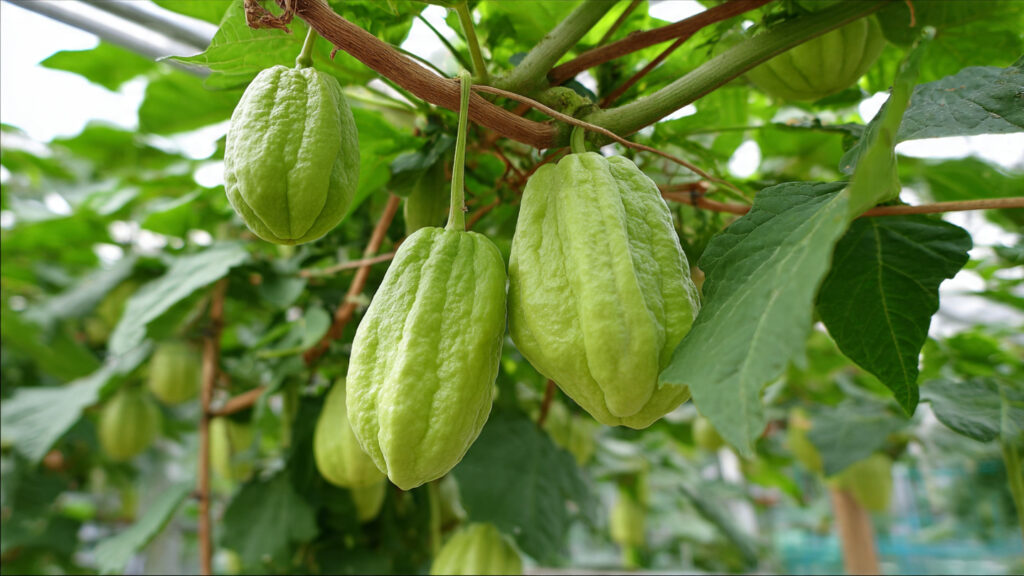
If you’re looking to grow a unique, productive, and low-maintenance vegetable in your home garden, chayote is an excellent choice. Known scientifically as Sechium edule, chayote is a vigorous climbing plant that produces light green, pear-shaped fruits packed with nutrients. Popular in many Asian and Latin American cuisines, this versatile vegetable is easy to grow—even for beginners.
In this complete guide, you’ll learn everything you need to know about cultivating chayote at home, from planting to harvesting and beyond.
What Is Chayote?
Chayote, also called vegetable pear, mirliton, or chow chow in some regions, belongs to the gourd family (Cucurbitaceae), which includes cucumbers, pumpkins, and squash. Unlike many vegetables, chayote grows from a whole fruit rather than individual seeds. The fruit contains a single large seed that naturally sprouts inside when mature.
Chayote plants are perennial in warm climates and can produce fruit for several years with proper care. They are vigorous climbers and need a sturdy support structure to thrive.
Why Grow Chayote at Home?
There are several reasons to grow chayote in your home garden:
- High Yield: One plant can produce dozens of fruits in a season.
- Low Maintenance: It requires minimal attention once established.
- Nutritional Value: Rich in fiber, vitamin C, folate, and antioxidants.
- Space Efficient: Grows vertically, making it ideal for small gardens.
- Versatile Use: Can be used in curries, stir-fries, soups, salads, and even pickles.
If you have limited garden space but want abundant harvests, chayote is a smart addition.
Choosing the Right Chayote Fruit for Planting
Unlike many vegetables, you don’t plant chayote seeds separately. Instead, you plant the entire mature fruit.
When selecting a chayote for planting:
- Choose a healthy, firm fruit.
- Avoid fruits with bruises, cuts, or rot.
- Select a mature fruit that has begun sprouting, if possible.
You can buy a chayote from a local market and allow it to sprout at home. Place it in a cool, dry spot. Within a few weeks, you’ll notice a green shoot emerging from the top.
Best Time to Plant Chayote
Chayote thrives in warm climates. The ideal temperature range is between 20°C and 30°C (68°F to 86°F). It does not tolerate frost.
In tropical and subtropical regions, plant chayote in early spring or just before the monsoon season. In cooler areas, wait until all risk of frost has passed.
Preparing the Soil
Chayote prefers:
- Well-draining soil
- Rich organic matter
- Slightly acidic to neutral pH (6.0–7.0)
Before planting, prepare the soil by:
- Loosening it to a depth of 12–15 inches.
- Mixing in compost or well-rotted manure.
- Ensuring good drainage to prevent root rot.
If you’re growing chayote in a container, choose a large pot (at least 15–20 gallons) and use a high-quality potting mix enriched with compost.
How to Plant Chayote
Follow these simple steps:
➡️ How to Grow Malabar Spinach from Cuttings for Fast, Easy Greens
➡️ How to Grow Super Delicious Cabbage at Home Without a Garden
➡️ How to Grow Bean Sprouts at Home in Plastic Bottles Easily (Step‑by‑Step Guide)
➡️ Why is Your Lemon Tree Blooming in the Heart of Winter?
➡️ Why Should Your Garden Have a Dedicated Pollinator Highway?
➡️ Why Do Your Fruit Trees Need a Winter Wash to Thrive in Spring?
➡️ How Can Rice Water Transform Your Fruits into Sweeter Delights?
➡️ Jumpstart Your Winter Garden: Seed Starting Under Lights
- Dig a Hole: Make a hole about 4–6 inches deep.
- Position the Fruit: Place the whole chayote fruit at an angle with the sprouting end slightly exposed above the soil.
- Cover Lightly: Cover with soil but leave the sprout visible.
- Water Gently: Water thoroughly after planting.
Spacing is important. If planting multiple chayote plants, space them at least 8–10 feet apart because they spread vigorously.
Providing Proper Support
Chayote is a climbing vine that can grow up to 30 feet long. Without support, it will sprawl across the ground.
You can provide support using:
- Trellises
- Fences
- Pergolas
- Strong bamboo structures
A sturdy trellis improves air circulation, reduces disease risk, and makes harvesting easier. Vertical growth also saves space and increases fruit production.
Watering Requirements
Chayote needs consistent moisture but dislikes waterlogged soil.
- Water deeply once or twice a week.
- Increase watering during hot, dry weather.
- Avoid overwatering, which can cause root rot.
Mulching around the base helps retain moisture and suppress weeds.
Fertilizing for Healthy Growth
Chayote is a heavy feeder. For best results:
- Apply compost every 4–6 weeks.
- Use a balanced organic fertilizer during the growing season.
- Avoid excessive nitrogen, which promotes leaves over fruit.
A healthy feeding routine ensures vigorous vines and abundant fruiting.
Sunlight Needs
Chayote grows best in full sun, requiring at least 6–8 hours of direct sunlight daily. While it can tolerate partial shade, fruit production may decrease.
Choose a sunny location for optimal growth.
Managing Pests and Diseases
Chayote is relatively pest-resistant but may face occasional problems such as:
- Aphids
- Spider mites
- Whiteflies
- Powdery mildew
To prevent issues:
- Ensure good air circulation.
- Avoid overhead watering.
- Use neem oil spray if pests appear.
- Remove infected leaves promptly.
Healthy plants are less likely to suffer severe infestations.
Flowering and Fruit Development
Chayote plants produce male and female flowers on the same vine. Bees and other pollinators help with pollination.
Flowering usually begins 3–4 months after planting, depending on climate and care. Fruits develop shortly after successful pollination.
Be patient—once fruiting starts, production can be impressive.
Harvesting Chayote
Chayote fruits are ready for harvest when:
- They are firm and light green.
- The skin is tender.
- The size is about 4–6 inches long.
Use pruning shears or a sharp knife to cut the fruit from the vine. Avoid pulling, as this can damage the plant.
Regular harvesting encourages continued fruit production.
Storing and Using Chayote
Fresh chayote can be stored in the refrigerator for up to 3–4 weeks. It has a mild flavor and crisp texture.
You can:
- Add it to vegetable curries.
- Stir-fry with garlic and spices.
- Use it in soups and stews.
- Eat it raw in salads.
- Pickle it for long-term storage.
Even the young shoots and leaves are edible and nutritious.
Growing Chayote in Containers
If you lack garden space, chayote can thrive in containers.
Tips for container growing:
- Use a large, deep pot.
- Install a strong vertical support.
- Ensure excellent drainage.
- Feed regularly, as nutrients deplete faster in pots.
With proper care, container-grown chayote can be just as productive as garden-grown plants.
Pruning and Maintenance
Pruning helps manage the vine’s size and improve airflow.
- Trim excessive growth.
- Remove dead or damaged leaves.
- Guide vines along supports.
Light pruning encourages better fruit development and prevents overcrowding.
Overwintering Chayote
In frost-free regions, chayote can survive year-round. Cut back the vine after the fruiting season and mulch heavily around the base.
In colder climates, the plant may die back in winter but regrow from roots if protected from severe frost.
Common Mistakes to Avoid
Beginners often make these mistakes:
- Planting in poorly drained soil.
- Overwatering.
- Not providing adequate support.
- Using too much nitrogen fertilizer.
- Harvesting too late (resulting in tough fruits).
Avoiding these errors will significantly improve your success rate.
Final Thoughts
Growing chayote at home is rewarding, productive, and surprisingly simple. With the right soil, adequate sunlight, sturdy support, and consistent care, even beginners can enjoy a generous harvest.
Whether you have a backyard garden or a sunny balcony, chayote is a fantastic addition to your home-grown vegetable collection. Its climbing habit saves space, and its high yield ensures plenty of fresh produce for your kitchen.