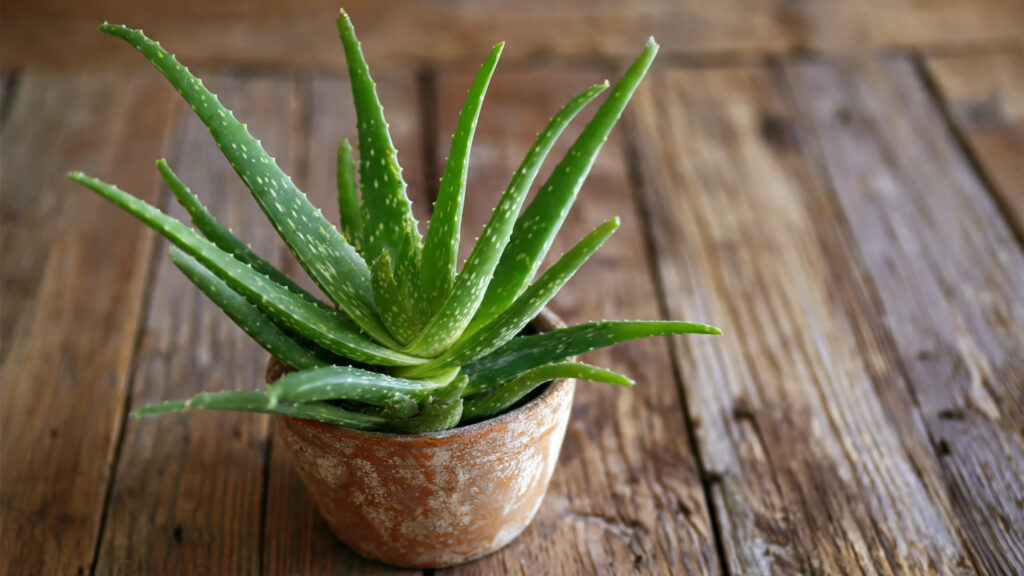
If you’ve ever snapped open a thick, fleshy aloe leaf and applied its cool gel to your skin, you already understand why this plant has earned legendary status. Often called a “miracle plant,” aloe vera is prized for its soothing gel, low-maintenance nature, and striking appearance. Whether you’re a beginner gardener or a seasoned plant lover, growing your own aloe at home is simple, rewarding, and practical.
In this ultimate guide, we’ll walk through everything you need to know about planting, caring for, and harvesting your own aloe vera successfully.
What Is Aloe Vera?
Aloe vera is a succulent plant known for its thick, pointed leaves filled with clear gel. Native to arid and semi-arid regions, aloe thrives in dry, sunny conditions. Its ability to store water in its leaves makes it highly drought-tolerant and ideal for indoor growing.
For centuries, aloe has been used in skincare routines and home remedies. While many people buy aloe-based products, growing your own ensures you always have fresh gel available whenever needed.
Why Grow Aloe Vera at Home?
Growing aloe vera at home offers several benefits:
1. Low Maintenance
Aloe requires minimal watering and care compared to many houseplants.
2. Practical Uses
Fresh aloe gel can be used for minor skin irritations, sun exposure, and general skincare.
3. Decorative Appeal
Its sculptural shape makes it a beautiful addition to windowsills, balconies, or patios.
4. Long Lifespan
With proper care, aloe plants can thrive for many years and produce “pups” (baby plants) you can replant.
Choosing the Right Plant
You can grow aloe vera from:
- A small nursery plant
- A pup from an existing plant
- Seeds (less common and slower)
For beginners, starting with a healthy young plant from a garden center is the easiest option.
Look for:
- Thick, firm leaves
- No mushy or brown spots
- Healthy green color
- No signs of pests
Best Growing Conditions for Aloe Vera
Aloe vera thrives when you mimic its natural desert environment.
Sunlight
Aloe needs bright, indirect sunlight. Place it:
- Near a south- or west-facing window
- On a sunny balcony
- Outdoors in partial sun (if climate allows)
Too little light causes weak, droopy leaves. Too much intense direct sun can scorch them.
➡️ How to Grow Malabar Spinach from Cuttings for Fast, Easy Greens
➡️ How to Grow Super Delicious Cabbage at Home Without a Garden
➡️ How to Grow Bean Sprouts at Home in Plastic Bottles Easily (Step‑by‑Step Guide)
➡️ Why is Your Lemon Tree Blooming in the Heart of Winter?
➡️ Why Should Your Garden Have a Dedicated Pollinator Highway?
➡️ Why Do Your Fruit Trees Need a Winter Wash to Thrive in Spring?
➡️ How Can Rice Water Transform Your Fruits into Sweeter Delights?
➡️ Jumpstart Your Winter Garden: Seed Starting Under Lights
Choosing the Right Pot and Soil
Pot Selection
Use a pot with:
- Drainage holes
- A wide opening
- Enough depth for root growth
Terracotta pots work especially well because they allow excess moisture to evaporate.
Soil Type
Aloe requires well-draining soil. Use:
- Cactus or succulent potting mix
- Or regular potting soil mixed with sand or perlite
Poor drainage is one of the most common causes of aloe plant failure.
Planting Aloe Vera Step by Step
- Fill the pot with well-draining soil.
- Place the aloe plant so roots are fully covered.
- Keep the base of the leaves above the soil line.
- Lightly press soil around the plant.
- Wait 2–3 days before watering to allow roots to settle.
Avoid burying the leaves—this can cause rot.
Watering: The Most Important Rule
When it comes to aloe vera, less is more.
Overwatering is the biggest mistake people make.
Follow this watering schedule:
- Water deeply but infrequently.
- Allow soil to dry completely between waterings.
- In summer: water every 2–3 weeks.
- In winter: water even less frequently.
If leaves appear soft and mushy, you’re likely overwatering. If they appear thin and wrinkled, the plant may need water.
Fertilizing Aloe Vera
Aloe doesn’t require heavy feeding.
- Use a diluted succulent fertilizer once in spring.
- Avoid over-fertilizing.
- Compost tea can be applied lightly once during the growing season.
Too much fertilizer can damage the roots and reduce plant health.
Temperature and Climate Needs
Aloe thrives in temperatures between 18°C and 30°C.
It does not tolerate frost.
If you live in a colder region:
- Bring outdoor plants indoors before temperatures drop.
- Keep away from cold drafts.
Aloe adapts well to indoor environments, making it ideal for apartments and homes.
Propagating Aloe Vera (Growing More Plants)
One of the best parts about aloe is how easily it multiplies.
Mature plants produce “pups” or offsets at the base.
To propagate:
- Gently remove the plant from its pot.
- Separate the pups from the mother plant.
- Allow the cut area to dry for 1–2 days.
- Plant pups in their own pots.
- Wait a few days before watering.
Soon, you’ll have multiple aloe plants to keep or share.
Common Problems and Solutions
Even though aloe is hardy, it can encounter issues.
1. Root Rot
Cause: Overwatering
Solution: Improve drainage and reduce watering.
2. Brown Leaf Tips
Cause: Too much direct sun or underwatering
Solution: Adjust light exposure and check watering schedule.
3. Pests (Mealybugs or Aphids)
Solution: Wipe leaves gently with diluted neem oil.
Monitoring your plant regularly helps prevent serious damage.
Harvesting Aloe Gel Safely
To harvest aloe gel:
- Choose a mature outer leaf.
- Cut it close to the base.
- Stand it upright to drain yellow sap (aloin).
- Slice open the leaf.
- Scoop out the clear gel.
Use fresh gel immediately or store in the refrigerator for short-term use.
Always harvest only what you need to avoid waste.
Indoor vs Outdoor Growing
Indoor Growing
- More control over temperature.
- Protection from heavy rain.
- Requires bright window placement.
Outdoor Growing
- Faster growth in warm climates.
- Natural sunlight boosts health.
- Needs protection from frost and heavy rainfall.
Both methods work well as long as proper drainage and sunlight are provided.
Styling Aloe in Your Home
Aloe isn’t just practical—it’s stylish.
Place it:
- On kitchen counters
- Near sunny windows
- In minimalist plant displays
- Alongside other succulents
Its bold, architectural leaves complement modern and rustic decor alike.
Benefits of Growing Your Own Aloe
Beyond convenience, growing aloe offers:
- A sustainable skincare option
- Reduced need for packaged products
- Greater appreciation for natural remedies
- A calming indoor greenery presence
Caring for aloe can also be a relaxing and grounding experience.
Long-Term Care Tips
To keep your aloe thriving for years:
- Repot every 2–3 years.
- Trim damaged leaves.
- Rotate the pot for even sunlight.
- Keep soil well-draining at all times.
With proper care, aloe can live for many years and continue producing new plants.
Is Aloe Vera Safe?
While aloe gel is widely used externally, always:
- Avoid ingesting large amounts.
- Keep out of reach of pets (can be toxic to animals).
- Test a small skin area before widespread use.
Responsible use ensures safe enjoyment of its benefits.
Final Thoughts
Elovera—your homegrown aloe vera plant—can become one of the most useful and beautiful additions to your home garden. It requires minimal care, thrives in sunny spaces, and offers practical benefits that few other houseplants can match.
With proper sunlight, well-draining soil, and careful watering, you can grow a healthy aloe plant that lasts for years. Whether placed on a windowsill, balcony, or patio, aloe vera brings both beauty and utility into your living space.