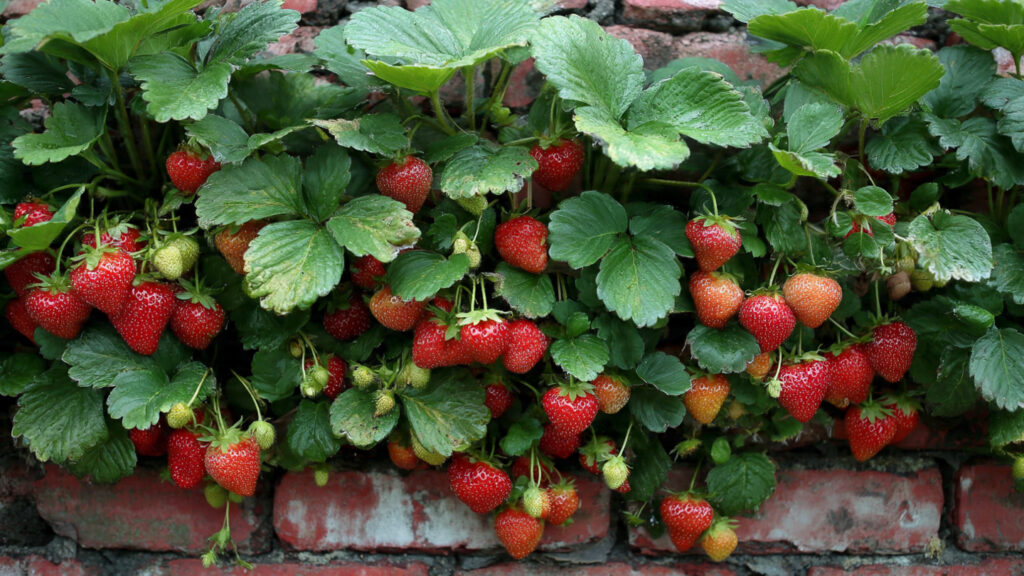
Imagine stepping onto your balcony or into your courtyard and seeing bright red strawberries cascading down a wall. No large garden. No expensive raised beds. Just a creative use of space and a few recycled plastic bottles.
If you’ve got an old wall that looks dull or unused, you can transform it into a productive vertical fruit garden. Growing strawberries vertically not only saves space but also improves air circulation, reduces pests, and adds a vibrant, edible aesthetic to your home.
In this complete guide, you’ll learn exactly how to grow strawberries on old walls using plastic bottles — step by step — with practical techniques that ensure sweet, abundant harvests.
Why Strawberries Are Perfect for Vertical Gardening
Strawberries belong to the species Fragaria × ananassa and are ideal for vertical setups because:
- They have shallow root systems.
- They don’t require deep soil.
- Their trailing habit suits hanging containers.
- They produce runners that can cascade beautifully.
- They thrive in containers.
Unlike large fruit plants, strawberries adapt easily to small spaces, making them perfect for balconies, terraces, and compact urban homes.
Benefits of Growing Strawberries on Walls
Turning an old wall into a strawberry garden offers multiple advantages:
1. Space Maximization
You use vertical space instead of valuable floor area.
2. Better Air Circulation
Vertical growing reduces fungal diseases common in ground-grown strawberries.
3. Cleaner Fruits
Berries don’t touch soil, reducing rot and pest damage.
4. Decorative Appeal
A wall covered in green leaves and red fruit creates a living artwork.
5. Recycling Plastic Bottles
You reduce waste while building a functional garden.
Materials You’ll Need
Creating a bottle-based vertical garden is simple and budget-friendly.
You’ll need:
- 1.5–2 liter plastic bottles
- Sharp knife or cutter
- Strong rope or wire
- Drill or heated nail (for holes)
- Potting mix
- Strawberry seedlings
- Hooks or wall anchors
Make sure the wall is strong enough to hold the weight of soil and water.
Preparing the Plastic Bottles
Follow these steps to convert bottles into planters:
➡️ How to Grow Malabar Spinach from Cuttings for Fast, Easy Greens
➡️ How to Grow Super Delicious Cabbage at Home Without a Garden
➡️ How to Grow Bean Sprouts at Home in Plastic Bottles Easily (Step‑by‑Step Guide)
➡️ Why is Your Lemon Tree Blooming in the Heart of Winter?
➡️ Why Should Your Garden Have a Dedicated Pollinator Highway?
➡️ Why Do Your Fruit Trees Need a Winter Wash to Thrive in Spring?
➡️ How Can Rice Water Transform Your Fruits into Sweeter Delights?
➡️ Jumpstart Your Winter Garden: Seed Starting Under Lights
- Wash and dry the bottles thoroughly.
- Cut a large rectangular window on one side.
- Make small drainage holes at the bottom.
- Create two small holes near the neck and base for rope support.
- Thread rope through holes to create a vertical hanging chain.
Alternatively, mount bottles horizontally onto the wall using brackets.
Proper drainage is essential. Without it, roots may rot quickly.
Choosing the Right Strawberry Variety
For vertical gardens, everbearing or day-neutral varieties are best. They produce fruit multiple times throughout the season.
Look for compact varieties that perform well in containers. Healthy seedlings with strong crowns and white roots establish faster than seeds.
If starting from seeds, expect fruiting in the second season.
Preparing the Perfect Soil Mix
Strawberries prefer:
- Well-draining soil
- Slightly acidic pH (5.5–6.5)
- Rich organic matter
Ideal potting mix:
- 40% garden soil
- 30% compost
- 20% cocopeat
- 10% sand or perlite
Avoid heavy clay soil. Lightweight, airy soil prevents compaction in small containers.
Fill each bottle about ¾ full, leaving space for watering.
Planting Strawberries in Bottles
When planting:
- Position the crown (where leaves emerge) just above soil level.
- Do not bury the crown.
- Firm the soil gently around roots.
- Water lightly after planting.
Spacing matters even in vertical systems. Each bottle should hold only one or two plants to avoid overcrowding.
Positioning Your Vertical Garden
Strawberries require:
- 6–8 hours of sunlight daily
- Good airflow
- Protection from extreme afternoon heat
Choose a wall that receives morning sunlight. In very hot climates, partial shade during peak heat helps prevent stress.
South- or east-facing walls typically work best.
Watering Techniques for Vertical Gardens
Vertical systems dry out faster than ground beds. Because bottles have limited soil, consistent moisture is essential.
Watering tips:
- Water when the top inch feels dry.
- Avoid waterlogging.
- Use a watering can with a narrow spout.
- Consider installing a simple drip irrigation line.
Check upper bottles more frequently, as they dry out faster.
Feeding for Continuous Fruiting
Strawberries are moderate feeders.
To keep plants productive:
- Apply compost every 3–4 weeks.
- Use diluted liquid fertilizer during flowering.
- Avoid high nitrogen fertilizers (they promote leaves over fruit).
Balanced feeding ensures larger, sweeter berries.
Managing Runners
Strawberry plants naturally produce runners (long stems with baby plants).
In a vertical garden:
- Trim excess runners to focus energy on fruit.
- Or root them in small pots to create new plants.
- Allow some runners to cascade for aesthetic appeal.
Managing runners keeps your wall garden neat and productive.
Pollination Tips
Outdoor strawberries are pollinated by bees and wind. If your wall garden is on a balcony or indoors:
- Gently shake plants during flowering.
- Use a soft brush to transfer pollen between flowers.
Proper pollination ensures full, well-shaped fruits.
Common Problems and Solutions
1. Yellow Leaves
Cause: Overwatering or nutrient deficiency
Solution: Improve drainage and add compost.
2. Small Fruits
Cause: Poor pollination or lack of nutrients
Solution: Hand-pollinate and feed lightly.
3. Fungal Issues
Cause: Excess moisture
Solution: Improve airflow and avoid wetting leaves.
4. Birds Eating Fruit
Solution: Use netting or reflective tape.
Vertical growing significantly reduces pest attacks compared to ground planting.
Seasonal Care
Strawberries perform best in cool to mild weather.
In warm climates:
- Plant in autumn or winter.
- Provide shade during intense heat.
In cooler regions:
- Plant in early spring.
- Protect from frost.
After fruiting season:
- Trim old leaves.
- Refresh soil if needed.
- Feed lightly.
Most strawberry plants remain productive for 2–3 years.
Winter Protection
If temperatures drop significantly:
- Move bottle planters indoors.
- Cover with frost cloth.
- Reduce watering.
Cold stress can damage shallow roots in containers.
Harvesting Strawberries
Strawberries are ready when:
- Fully red
- Firm but slightly soft
- Sweet-smelling
Harvest in the morning for best flavor.
Pick berries with a small stem attached to increase shelf life.
Frequent harvesting encourages more fruit production.
Expanding Your Vertical Garden
Once you see success, you can expand by:
- Creating multiple bottle rows.
- Mixing herbs like mint or basil between strawberries.
- Painting bottles for decorative appeal.
- Installing a drip irrigation system.
You can transform an entire dull wall into a vibrant edible feature.
Environmental Impact
Using recycled plastic bottles reduces waste while promoting sustainable food production.
Vertical gardening also:
- Reduces urban heat
- Improves air quality
- Encourages local food growing
- Makes efficient use of small spaces
Even small balcony setups can produce surprising yields.
Final Thoughts
Growing strawberries on old walls using plastic bottles is more than a gardening project — it’s a creative transformation of space. With minimal materials and a little planning, you can turn an unused wall into a thriving vertical fruit garden bursting with color and flavor.
By choosing the right variety, ensuring proper drainage, maintaining consistent watering, and providing sufficient sunlight, your strawberry wall can produce sweet harvests season after season.
Start with a few bottles. Observe how the plants grow. Adjust care as needed. Soon, you’ll not only enjoy fresh strawberries at home but also a beautiful living display that turns ordinary walls into productive green spaces.