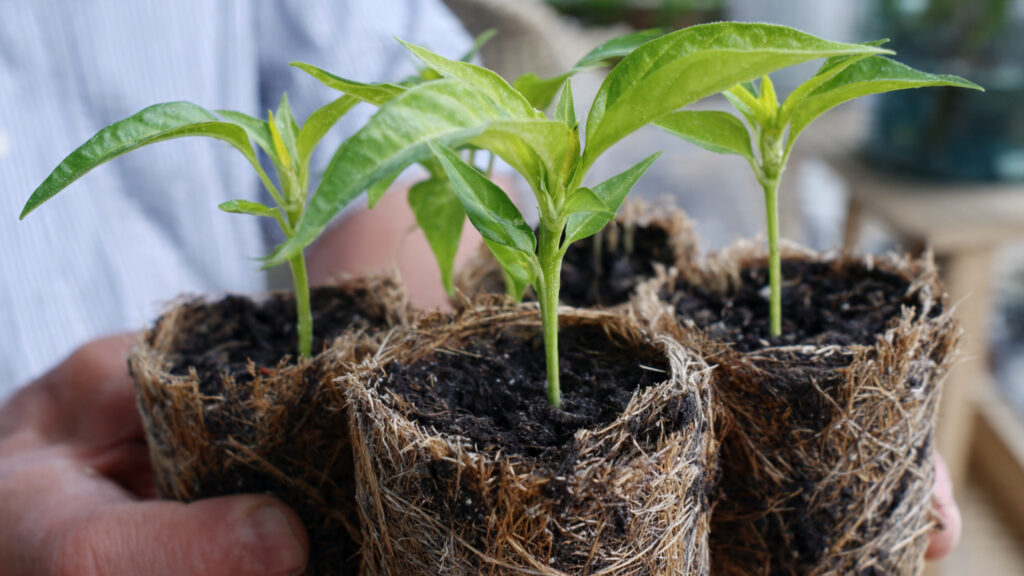
If you love growing chili plants and are always looking for smarter, faster ways to multiply them, this simple gardening hack might surprise you. What if you could use a banana tree to help propagate chili cuttings more successfully? It sounds unusual, but gardeners have discovered that banana stems can create a naturally moist, nutrient-rich environment that encourages faster rooting.
This guide explains how to propagate chili plants using a banana tree step by step, why it works, and how you can apply this method in your own garden for healthier, stronger plants.
Why Propagate Chili Plants Instead of Growing from Seeds?
Chili plants are commonly grown from seeds, but propagation through cuttings offers several advantages:
- Faster plant maturity
- Identical traits to the parent plant
- Earlier fruit production
- Higher survival rate (when done correctly)
- Stronger initial growth
When you propagate from a healthy, productive chili plant, you clone its best characteristics. This is especially useful if you’ve found a variety that produces high yields or has exceptional flavor.
Understanding the Banana Tree’s Secret
The banana plant, scientifically known as Musa, is not technically a tree but a large herbaceous plant. Its trunk, called a pseudostem, is made of tightly packed leaf sheaths filled with moisture and nutrients.
This pseudostem:
- Retains high levels of moisture
- Contains natural sugars
- Provides trace minerals
- Maintains a humid microenvironment
When chili cuttings are inserted into fresh banana stem material, the stem acts like a natural rooting chamber. The consistent moisture helps prevent dehydration, which is one of the main reasons cuttings fail.
Why This Method Encourages Faster Growth
Chili plants, scientifically called Capsicum annuum, root best in warm, humid conditions. The banana pseudostem naturally creates:
- Stable humidity
- Gentle nutrient release
- Protection from temperature fluctuations
- Reduced transplant shock
Unlike water propagation, which sometimes causes weak roots, or dry soil methods that risk dehydration, banana stem propagation provides a balanced environment.
Materials You’ll Need
This method is simple and affordable. You only need:
- A healthy chili plant (for cuttings)
- A fresh banana pseudostem section
- Sharp pruning shears
- Clean knife
- Pot with well-draining soil
- Water spray bottle
Optional:
- Rooting hormone (not required but can enhance results)
Step-by-Step Guide to Propagating Chili Using Banana Stem
Step 1: Select a Healthy Chili Cutting
Choose a non-flowering branch from your chili plant. Look for:
- 4–6 inches in length
- Healthy green stem
- No pests or disease
- At least 2–3 nodes
Cut just below a node at a 45-degree angle.
Remove lower leaves, leaving only 2–3 leaves at the top.
Step 2: Prepare the Banana Stem
Take a fresh banana pseudostem and cut a thick section (3–5 inches wide).
➡️ How to Grow Malabar Spinach from Cuttings for Fast, Easy Greens
➡️ How to Grow Super Delicious Cabbage at Home Without a Garden
➡️ How to Grow Bean Sprouts at Home in Plastic Bottles Easily (Step‑by‑Step Guide)
➡️ Why is Your Lemon Tree Blooming in the Heart of Winter?
➡️ Why Should Your Garden Have a Dedicated Pollinator Highway?
➡️ Why Do Your Fruit Trees Need a Winter Wash to Thrive in Spring?
➡️ How Can Rice Water Transform Your Fruits into Sweeter Delights?
➡️ Jumpstart Your Winter Garden: Seed Starting Under Lights
Using a clean knife:
- Slice a small hole or slit into the center of the stem
- Make it deep enough to hold the chili cutting securely
- Avoid cutting all the way through
The goal is to insert the cutting so it remains stable and upright.
Step 3: Insert the Chili Cutting
Gently push the cut end of the chili stem into the banana stem.
Ensure:
- The node is inside the banana tissue
- The cutting stands upright
- It is snug but not crushed
The banana stem’s moisture immediately begins supporting the cutting.
Step 4: Plant the Banana Section in Soil
Now place the entire banana stem piece (with the cutting inside) into a pot filled with well-draining soil.
Bury it halfway, keeping the chili cutting above soil level.
Water lightly to settle the soil.
Step 5: Maintain Proper Conditions
For best results:
- Place in bright, indirect sunlight
- Avoid harsh direct afternoon sun initially
- Mist lightly if air is dry
- Keep soil slightly moist but not soggy
Within 10–20 days, roots begin forming.
After 3–4 weeks, you should see new leaf growth — a sign that roots are well established.
How the Banana Stem Supports Root Formation
The banana pseudostem gradually decomposes in soil, releasing nutrients like potassium and small amounts of natural sugars.
Benefits include:
- Encourages microbial activity
- Feeds beneficial soil organisms
- Provides organic matter
- Boosts early root vigor
As roots develop, they grow out of the banana material and into the surrounding soil.
This natural transition reduces transplant shock compared to traditional water propagation.
When to Transplant
After 4–6 weeks:
- Gently check for root resistance
- If firm and stable, roots are established
- Transplant to a larger pot or garden bed
Be careful not to disturb delicate roots.
At this stage, your propagated chili plant behaves like a mature seedling and grows rapidly.
Advantages of This Genius Hack
Here’s why gardeners love this technique:
1. Higher Rooting Success
The consistent moisture prevents stem drying.
2. Faster Establishment
Cuttings adapt quickly because roots form in a semi-organic environment.
3. Natural Fertilization
Decomposing banana tissue feeds the soil.
4. Eco-Friendly Method
No synthetic rooting hormones required.
5. Budget-Friendly
Uses easily available garden materials.
Common Mistakes to Avoid
Even simple hacks need proper execution.
Using Old Banana Stem
Always use fresh pseudostem. Dried or rotting material won’t provide proper moisture.
Overwatering
Too much water causes rot. Keep soil moist, not soggy.
Direct Harsh Sunlight
Young cuttings can wilt. Provide filtered light initially.
Using Flowering Branches
Flowering stems focus energy on fruit, not root formation.
Can This Method Work for Other Plants?
Yes, the banana stem technique can work for other soft-stem plants such as:
- Tomatoes
- Basil
- Eggplant
- Certain ornamental cuttings
However, woody plants may not respond as effectively.
Boosting Growth After Rooting
Once established, help your chili plant thrive by:
- Providing 6–8 hours of sunlight
- Feeding with compost or balanced fertilizer
- Pruning early flowers to strengthen growth
- Maintaining consistent watering
Healthy early development leads to stronger fruit production later.
Why Chili Plants Benefit from Early Strength
Strong root systems are the foundation of productive chili plants.
Benefits of strong roots:
- Better nutrient absorption
- Improved drought resistance
- Higher fruit yield
- More vigorous branching
Using the banana propagation method often results in robust early root formation, giving plants a noticeable head start.
Ideal Climate for This Method
Chili plants thrive in:
- Warm temperatures (20–30°C / 68–86°F)
- Moderate humidity
- Well-drained soil
If temperatures drop below 15°C (59°F), rooting slows down.
In cooler climates, keep pots indoors or in a greenhouse during propagation.
A Sustainable Gardening Approach
This method reflects a larger gardening philosophy — using natural materials to support plant growth.
Instead of relying solely on commercial rooting products, gardeners can:
- Reuse organic waste
- Improve soil naturally
- Reduce gardening costs
- Create eco-friendly systems
The banana stem method turns plant material into a functional rooting tool.
Final Thoughts
Propagating chili plants using a banana tree may sound unconventional, but it’s a surprisingly effective and simple technique. By leveraging the moisture-rich pseudostem of the banana plant, gardeners create an ideal microenvironment for root development.
This genius hack combines natural hydration, organic nutrients, and reduced transplant shock into one easy method. Within weeks, you can transform a simple cutting into a thriving new chili plant ready to produce abundant harvests.
If you enjoy experimenting in the garden and want faster, more reliable propagation results, this banana stem technique is worth trying. Sometimes the best gardening secrets come from working with nature rather than against it.