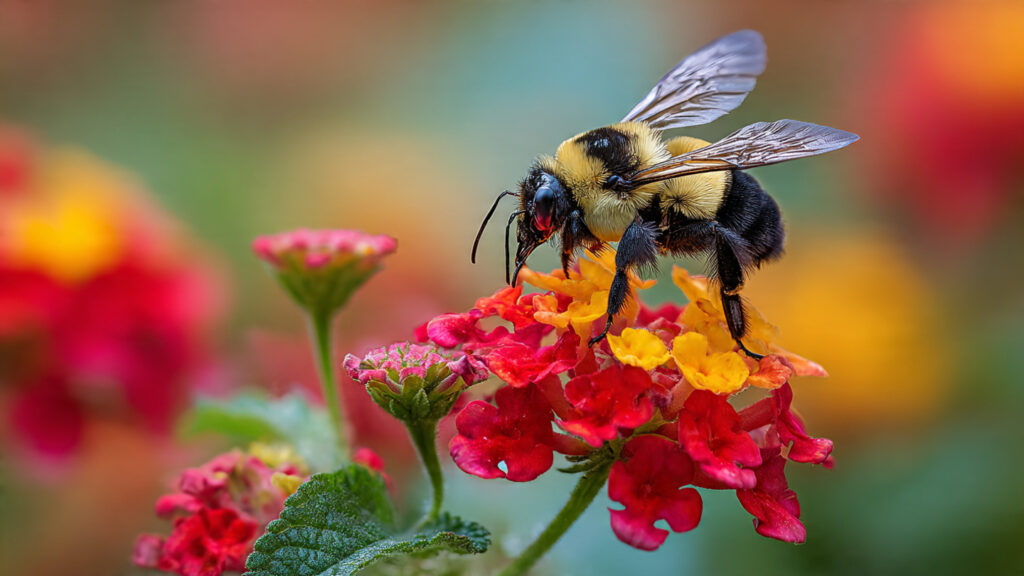
Creating a pollinator-friendly garden is one of the most impactful steps you can take to support biodiversity, improve plant health, and increase yields in your vegetable and fruit crops. Bees, butterflies, hummingbirds, and other beneficial insects play a critical role in pollination, helping plants reproduce and thrive. According to horticulture experts and garden ecologists, selecting the right flowers is key to attracting and sustaining pollinator populations.
If you want a garden buzzing with life, here are five expert-recommended flowers that effectively attract pollinators—along with tips on how to grow them successfully.
1. 🌻 Sunflowers (Helianthus annuus)
Sunflowers are among the most pollinator-friendly flowers you can grow. Their large, bright blooms act like landing pads for bees and butterflies, while their abundant pollen and nectar provide essential food.
Why Experts Recommend Sunflowers
- Easy to grow from seed
- Thrive in various soil types
- Provide large amounts of pollen
- Bloom during peak pollinator season
Single-flowered varieties are especially beneficial because they expose pollen more easily than double-flowered types.
Growing Tips
- Plant in full sun (6–8 hours daily).
- Sow seeds directly in soil after the last frost.
- Water regularly during early growth.
- Support taller varieties with stakes if needed.
Sunflowers not only attract bees and butterflies but also bring birds to your garden once seeds mature.
2. 🌸 Lavender (Lavandula angustifolia)
Lavender is famous for its calming fragrance, but it’s also a pollinator magnet. Bees are particularly drawn to its nectar-rich blooms.
Why Experts Love Lavender
- Long blooming period
- Drought-tolerant once established
- Strong nectar production
- Attracts bees and butterflies
Lavender’s purple flowers are highly visible to bees, who see ultraviolet patterns that guide them to nectar.
Growing Tips
- Plant in well-draining soil.
- Choose a sunny location.
- Avoid overwatering—lavender prefers drier conditions.
- Prune lightly after flowering to encourage bushier growth.
Lavender works beautifully along garden borders and pathways, adding both beauty and ecological value.
3. 🦋 Coneflower (Echinacea purpurea)
Coneflowers are native perennials that thrive in many climates and are especially loved by butterflies and bees.
Why Experts Recommend Coneflowers
- Native species support local pollinators
- Long-lasting blooms
- Low maintenance
- Drought resistant
The raised central cone provides easy access to nectar, while the bright petals draw attention from pollinators flying overhead.
Growing Tips
- Plant in full sun or partial shade.
- Use well-drained soil.
- Deadhead for continuous blooms.
- Leave seed heads in fall to feed birds.
Coneflowers bloom from summer to early fall, offering a reliable food source during peak pollinator activity.
4. 🌺 Bee Balm (Monarda didyma)
As the name suggests, bee balm is highly attractive to bees—but it also draws hummingbirds and butterflies.
Why Experts Favor Bee Balm
- Rich nectar supply
- Bright red, pink, or purple blooms
- Native to North America
- Long flowering season
Its tubular flowers are particularly appealing to hummingbirds, whose long beaks can easily reach the nectar.
Growing Tips
- Plant in full sun to partial shade.
- Keep soil moist but not waterlogged.
- Provide good air circulation to prevent mildew.
- Divide plants every few years to maintain vigor.
Bee balm adds vibrant color and dynamic movement to any garden space.
5. 🌼 Black-Eyed Susan (Rudbeckia hirta)
Black-eyed Susans are cheerful, daisy-like flowers that attract a wide range of pollinators.
➡️ How to Grow Malabar Spinach from Cuttings for Fast, Easy Greens
➡️ How to Grow Super Delicious Cabbage at Home Without a Garden
➡️ How to Grow Bean Sprouts at Home in Plastic Bottles Easily (Step‑by‑Step Guide)
➡️ Why is Your Lemon Tree Blooming in the Heart of Winter?
➡️ Why Should Your Garden Have a Dedicated Pollinator Highway?
➡️ Why Do Your Fruit Trees Need a Winter Wash to Thrive in Spring?
➡️ How Can Rice Water Transform Your Fruits into Sweeter Delights?
➡️ Jumpstart Your Winter Garden: Seed Starting Under Lights
Why Experts Recommend Them
- Easy for beginners
- Bloom for extended periods
- Adaptable to many soil types
- Support bees, butterflies, and beneficial insects
Their open flower structure makes pollen easily accessible, encouraging frequent visits from pollinators.
Growing Tips
- Plant in full sun.
- Tolerate drought once established.
- Remove spent blooms to extend flowering.
- Allow some flowers to go to seed for birds.
These hardy flowers bring bright yellow color and ecological benefits to garden beds and borders.
How to Maximize Pollinator Attraction
Planting the right flowers is just the beginning. Experts suggest a few additional strategies to ensure your garden becomes a pollinator haven.
1. Plant in Clusters
Grouping flowers in clusters rather than scattering single plants makes them easier for pollinators to find. Larger patches create stronger visual signals.
2. Provide Continuous Bloom
Choose plants that bloom at different times—from early spring to late fall—to ensure a steady food supply.
3. Avoid Chemical Pesticides
Many pesticides harm bees and butterflies. Opt for organic or natural pest control methods whenever possible.
4. Include Native Plants
Native flowers are especially beneficial because local pollinators have evolved alongside them. They often provide better nectar and pollen quality.
5. Add Water Sources
A shallow dish with stones and water provides a safe hydration station for pollinators.
Why Pollinators Matter
Pollinators are responsible for fertilizing nearly 75% of flowering plants and about one-third of food crops worldwide. Without them, fruit, vegetable, and seed production would dramatically decline.
By planting pollinator-friendly flowers, you’re not just enhancing your garden’s beauty—you’re actively supporting environmental health and biodiversity.
Designing a Pollinator-Friendly Garden Layout
If you want maximum impact, consider designing your garden intentionally.
- Place taller plants like sunflowers at the back.
- Use medium-height flowers like coneflowers and bee balm in the center.
- Add lavender or black-eyed Susans toward the front.
This layered arrangement ensures visibility and accessibility for different pollinator species.
Common Mistakes to Avoid
Even well-meaning gardeners can unintentionally reduce pollinator visits. Avoid these mistakes:
- Planting only hybrid double blooms (often low in nectar).
- Using synthetic fertilizers excessively.
- Removing all plant debris in fall (some insects overwinter in stems).
- Choosing only one type of flower.
Diversity is key to supporting various pollinator species.
Final Thoughts
Attracting pollinators doesn’t require a massive garden or complicated landscaping. By planting expert-recommended flowers like sunflowers, lavender, coneflowers, bee balm, and black-eyed Susans, you can create a vibrant, eco-friendly space that benefits both your plants and local wildlife.
These five flowers are not only beautiful and beginner-friendly but also highly effective at drawing bees, butterflies, hummingbirds, and beneficial insects. With thoughtful planning and minimal effort, your garden can become a thriving pollinator sanctuary.