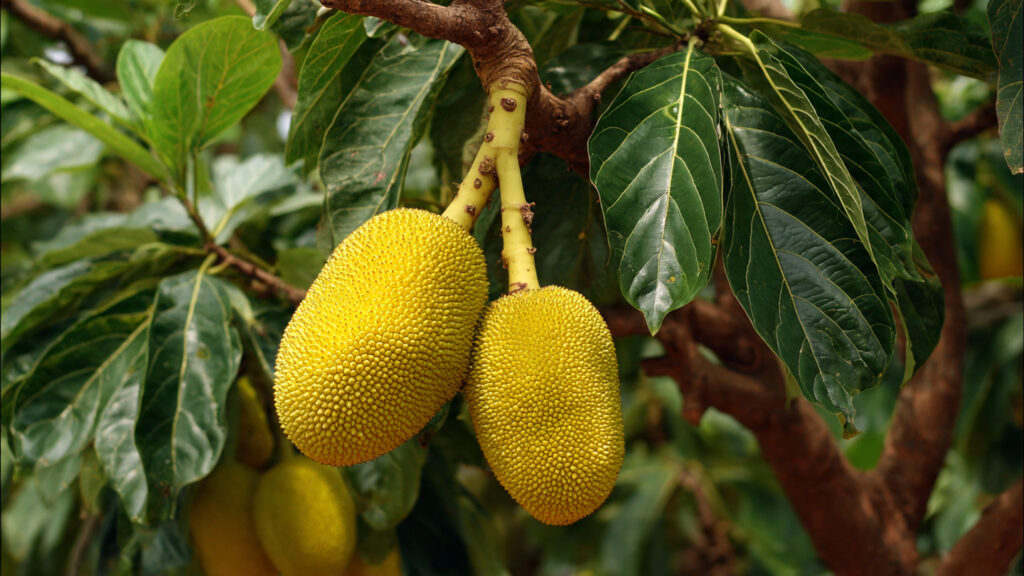
Jackfruit is one of the most impressive and rewarding tropical fruit trees you can grow. With massive fruits, sweet aromatic bulbs, and high nutritional value, it’s no surprise that more gardeners are planting jackfruit at home. However, growing jackfruit from seed can take 6–10 years to bear fruit—and the quality is often unpredictable.
That’s where grafting changes everything.
By grafting, you can produce trees that bear fruit faster, grow more compactly, and deliver consistent, high-quality harvests. In this guide, you’ll learn the easiest grafting technique for jackfruit, step-by-step instructions, and the care tips that ensure success.
Why Grafting Jackfruit Is Better Than Growing from Seed
Jackfruit trees belong to the species Artocarpus heterophyllus. When grown from seed, each plant carries genetic variation. This means:
- Fruit size can vary
- Taste may differ
- Time to fruiting is longer
- Tree height may become unmanageable
Grafting solves these issues by combining:
- A strong root system (rootstock)
- A high-quality fruiting branch (scion)
The result? A tree that produces bigger, better fruit in less time—often within 2–3 years.
The Easiest Grafting Method: Softwood Cleft Grafting
While several grafting techniques exist, softwood cleft grafting is the simplest and most beginner-friendly method for jackfruit.
It works well because jackfruit has soft, actively growing stems that join quickly when properly aligned.
Step 1: Selecting the Right Rootstock
The rootstock forms the base of your grafted plant.
Choose:
- A healthy 6–12 month old seedling
- Pencil-thick stem (about 0.8–1.5 cm diameter)
- Disease-free and vigorously growing
The rootstock should be actively growing but not too woody.
Step 2: Selecting the Perfect Scion
The scion determines fruit quality.
Choose a branch from a mature jackfruit tree that:
- Produces large, sweet fruits
- Is 3–4 months old (semi-hardwood)
- Has healthy buds
- Is free from pests or disease
The scion should match the thickness of the rootstock as closely as possible.
Cut a 4–6 inch piece with 2–3 healthy buds.
➡️ How to Grow Malabar Spinach from Cuttings for Fast, Easy Greens
➡️ How to Grow Super Delicious Cabbage at Home Without a Garden
➡️ How to Grow Bean Sprouts at Home in Plastic Bottles Easily (Step‑by‑Step Guide)
➡️ Why is Your Lemon Tree Blooming in the Heart of Winter?
➡️ Why Should Your Garden Have a Dedicated Pollinator Highway?
➡️ Why Do Your Fruit Trees Need a Winter Wash to Thrive in Spring?
➡️ How Can Rice Water Transform Your Fruits into Sweeter Delights?
➡️ Jumpstart Your Winter Garden: Seed Starting Under Lights
Step 3: Preparing the Rootstock
- Cut the rootstock stem straight across at 6–8 inches above soil level.
- Using a sharp sterile knife, make a vertical split about 1–1.5 inches deep in the center of the cut surface.
This creates the cleft where the scion will be inserted.
Clean tools are essential to prevent infection.
Step 4: Preparing the Scion
- Trim the bottom end of the scion into a wedge shape.
- Make two slanting cuts to form a “V” point.
- Ensure the cuts are smooth and even.
The wedge should fit snugly into the rootstock split.
Step 5: Joining the Scion and Rootstock
Insert the scion wedge into the cleft of the rootstock.
The most important step is aligning the cambium layers—the thin green layer just beneath the bark.
Even if only one side aligns properly, the graft can succeed.
Once inserted:
- Press gently but firmly
- Ensure there are no air gaps
Step 6: Wrapping the Graft
Wrap the graft union tightly using:
- Grafting tape
- Plastic strip
- Parafilm
The goal is to:
- Secure the joint
- Prevent moisture loss
- Protect against infection
After wrapping, cover the entire scion loosely with a transparent plastic bag to maintain humidity.
Tie the bottom lightly to allow minimal airflow.
Post-Grafting Care: The Secret to Success
Many grafts fail not because of technique, but because of poor aftercare.
Keep in Partial Shade
Place the grafted plant in bright but indirect sunlight for 2–3 weeks.
Direct sun can dry the scion before union forms.
Maintain Moderate Moisture
Keep soil moist but not waterlogged.
Overwatering can cause root rot, while dryness stresses the plant.
Watch for Bud Swelling
Within 2–4 weeks, you should see:
- Bud swelling
- New leaf growth
- Green, healthy scion
This indicates successful grafting.
Remove Rootstock Shoots
If new shoots appear below the graft union, remove them immediately.
They compete for energy and slow scion development.
When to Remove the Wrapping
After 4–6 weeks, once the graft union looks firm and new growth is strong:
- Carefully remove plastic wrapping
- Avoid damaging the joint
If the union still looks weak, wait another 1–2 weeks.
Why This Technique Produces Faster Harvests
Grafted jackfruit trees mature faster because:
- The scion comes from an already fruiting tree
- The rootstock provides strong nutrient uptake
- Growth energy is directed efficiently
Instead of spending years developing juvenile characteristics, the tree focuses on fruit production.
Benefits of Grafted Jackfruit Trees
1. Early Fruiting
Harvest in 2–3 years instead of 6–10.
2. Predictable Fruit Quality
Same taste, size, and texture as the parent tree.
3. Manageable Tree Size
Easier pruning and harvesting.
4. Improved Disease Resistance
Strong rootstock improves overall vigor.
Common Mistakes to Avoid
Even simple grafting requires precision.
Using Dull Tools
Crushed stems reduce cambium contact.
Poor Alignment
Cambium mismatch prevents union.
Grafting During Extreme Heat
High temperatures dry out scion quickly.
Loose Wrapping
Air exposure causes failure.
Best Season for Grafting Jackfruit
The ideal time is:
- Late spring
- Early monsoon
- Warm months with moderate humidity
Avoid very cold or extremely dry seasons.
Warm temperatures promote faster healing.
Additional Tip: Use Healthy Mother Trees
Select scions from trees known for:
- Large fruit size
- High sweetness
- Good pulp thickness
- Regular fruiting habit
This ensures your grafted tree inherits superior qualities.
Training the Grafted Tree
Once the graft grows 8–12 inches:
- Pinch the tip to encourage branching
- Train into 3–4 main scaffold branches
- Maintain open structure for airflow
Proper shaping leads to better sunlight penetration and larger fruits.
Nutrition After Grafting
Feed lightly once new growth is established.
Use:
- Compost
- Balanced NPK fertilizer
- Organic potassium sources during flowering
Avoid heavy nitrogen feeding immediately after grafting.
How Long Until Harvest?
With proper care:
- Flowering may begin within 18–24 months
- First harvest in 2–3 years
- Full production in 4–5 years
This is significantly faster than seed-grown trees.
Final Thoughts
Grafting jackfruit doesn’t require advanced skills—just patience and precision.
Softwood cleft grafting is:
- Simple
- Beginner-friendly
- Highly effective
- Reliable
By combining a vigorous rootstock with a high-performing scion, you create a tree capable of delivering bigger, better, and faster harvests.
Instead of waiting nearly a decade for unpredictable fruit, take control of your jackfruit growing journey.
With this easy grafting method, your backyard can produce premium-quality jackfruit sooner than you ever imagined.