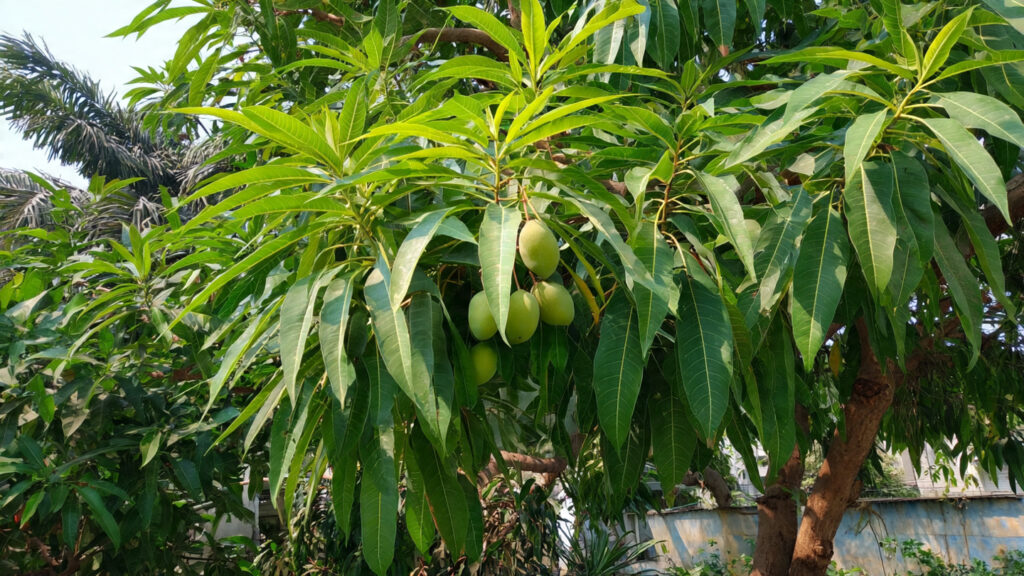
Mango is often called the “king of fruits,” and for good reason. Its rich flavor, vibrant aroma, and tropical appeal make it a favorite among gardeners and fruit lovers alike. But what if you could grow multiple mango varieties on a single tree? That’s exactly what multiple grafting offers. In this guide, we’ll explore how to create a productive 4-in-1 mango tree using simple yet effective grafting techniques for higher yield and better space management.
The mango tree, scientifically known as Mangifera indica, is well-suited to grafting. With proper planning and technique, you can grow four different varieties on one strong rootstock, ensuring extended harvest periods and improved pollination.
What Is Multiple Grafting?
Multiple grafting involves attaching scions (small stem cuttings from desired varieties) onto a single rootstock. In a 4-in-1 mango tree, four distinct mango varieties grow on one plant, each producing its own unique fruit.
This method is ideal for:
- Small gardens or limited spaces
- Home orchards
- Extending fruiting season
- Improving cross-pollination
- Increasing overall yield
Instead of planting four separate trees, you maintain one tree with multiple fruit types.
Benefits of a 4-in-1 Mango Tree
1. Space Efficiency
If you have limited yard space, multiple grafting allows you to grow several varieties without crowding.
2. Extended Harvest Season
Different mango varieties ripen at different times. By selecting early, mid, and late-season varieties, you can enjoy mangoes for a longer period.
3. Higher Yield Potential
With proper care, a well-balanced grafted tree can produce more fruit collectively than a single-variety tree.
4. Improved Pollination
Having multiple varieties on the same tree can enhance pollination and fruit set.
Choosing the Right Rootstock
A strong and healthy rootstock is the foundation of successful grafting.
Ideal Rootstock Characteristics:
- 1–2 years old seed-grown mango plant
- Pencil-thick stem
- Disease-free and vigorous growth
- Well-established root system
Seed-grown rootstocks adapt well to local soil and climate conditions.
Selecting Compatible Mango Varieties
Choose varieties that:
- Are compatible with the rootstock
- Have similar growth habits
- Thrive in your climate
- Ripen at different times
Combining early, mid, and late-season varieties ensures a continuous harvest.
Best Time for Mango Grafting
The ideal time for grafting mango is during the active growing season when sap flow is strong.
Recommended Season:
- Late spring to early summer
- Warm temperatures between 25–35°C
Avoid extremely hot or cold weather, as stress reduces graft success rates.
➡️ How to Grow Malabar Spinach from Cuttings for Fast, Easy Greens
➡️ How to Grow Super Delicious Cabbage at Home Without a Garden
➡️ How to Grow Bean Sprouts at Home in Plastic Bottles Easily (Step‑by‑Step Guide)
➡️ Why is Your Lemon Tree Blooming in the Heart of Winter?
➡️ Why Should Your Garden Have a Dedicated Pollinator Highway?
➡️ Why Do Your Fruit Trees Need a Winter Wash to Thrive in Spring?
➡️ How Can Rice Water Transform Your Fruits into Sweeter Delights?
➡️ Jumpstart Your Winter Garden: Seed Starting Under Lights
Common Grafting Techniques for 4-in-1 Mango Trees
Several grafting methods work well for mango multiple grafting. Here are the most effective ones:
1. Cleft Grafting
Cleft grafting is one of the simplest techniques.
Steps:
- Cut the rootstock horizontally.
- Make a vertical split in the center.
- Shape the scion into a wedge.
- Insert it into the split.
- Secure tightly with grafting tape.
This method provides strong contact between cambium layers, increasing success rates.
2. Veneer Grafting
Veneer grafting is commonly used for mango trees.
Steps:
- Make a downward cut on the rootstock.
- Prepare the scion with a matching cut.
- Align cambium layers carefully.
- Tie firmly with grafting tape.
This technique is ideal when adding multiple scions around the trunk.
3. Side Grafting for Multiple Branches
When creating a 4-in-1 tree, attach scions at different points around the trunk or primary branches. This ensures balanced growth and structure.
Step-by-Step Process to Create a 4-in-1 Mango Tree
Step 1: Prepare the Rootstock
Choose a healthy mango plant with a straight trunk. Remove excess side branches to focus energy.
Step 2: Plan Graft Placement
Divide the trunk into four evenly spaced sections around the stem.
Step 3: Attach First Two Grafts
Start with two opposite sides to maintain balance. Use cleft or veneer grafting.
Step 4: Allow Initial Healing
Wait 2–3 weeks until the first grafts show signs of growth.
Step 5: Add Remaining Grafts
Attach the remaining two scions at appropriate positions.
Step 6: Secure and Protect
Wrap all graft unions tightly with grafting tape and cover with plastic if needed to retain moisture.
Post-Grafting Care
Proper aftercare is crucial for graft success.
1. Protect from Direct Sunlight
Keep the plant in partial shade until grafts establish.
2. Maintain Consistent Moisture
Water regularly but avoid waterlogging.
3. Remove Rootstock Shoots
Cut off any shoots emerging below the graft union to prevent competition.
4. Monitor Graft Union
Check for signs of infection, dryness, or loosening tape.
Training and Pruning for Balanced Growth
A 4-in-1 mango tree must be carefully trained.
Key Tips:
- Allow each graft to develop into a primary branch.
- Prune aggressively growing varieties to maintain balance.
- Shape the canopy evenly.
- Remove crossing branches.
Balanced pruning ensures equal sunlight distribution and better fruiting.
Nutrient Management for High Yield
Multiple grafted trees require adequate nutrition.
Fertilization Schedule:
- Apply balanced fertilizer during active growth.
- Use organic compost twice a year.
- Add micronutrients like zinc and magnesium if needed.
Avoid excessive nitrogen, which encourages leaf growth over fruit production.
Pest and Disease Control
Grafted mango trees are vulnerable to common issues such as:
- Anthracnose
- Powdery mildew
- Fruit flies
Maintain airflow through proper pruning and apply organic fungicides when necessary.
Healthy graft unions are less susceptible to disease.
Expected Timeline for Fruiting
Grafted mango trees typically bear fruit within 2–3 years, much earlier than seed-grown trees.
A successful 4-in-1 tree can produce:
- Multiple fruit types
- Extended harvesting window
- Higher cumulative yield
Patience during early growth stages ensures long-term productivity.
Common Mistakes to Avoid
- Using weak or diseased scions
- Misaligning cambium layers
- Overloading with too many grafts at once
- Ignoring post-graft care
- Allowing one variety to dominate
Careful planning and monitoring are essential.
Is 4-in-1 Grafting Suitable for Home Gardeners?
Absolutely. While it requires precision, even home gardeners can achieve success with practice. Start slowly, ensure clean tools, and focus on proper alignment.
For beginners, attempting two grafts first before expanding to four may improve confidence.
Final Thoughts
Multiple grafting is an innovative and practical method for maximizing mango production in limited space. By combining compatible varieties on a single strong rootstock, you create a highly productive 4-in-1 mango tree capable of extended harvests and increased yield.
With proper technique, balanced pruning, careful nutrient management, and attentive aftercare, your grafted mango tree can become a centerpiece of your garden. Not only will it save space, but it will also reward you with diverse flavors and abundant fruit.