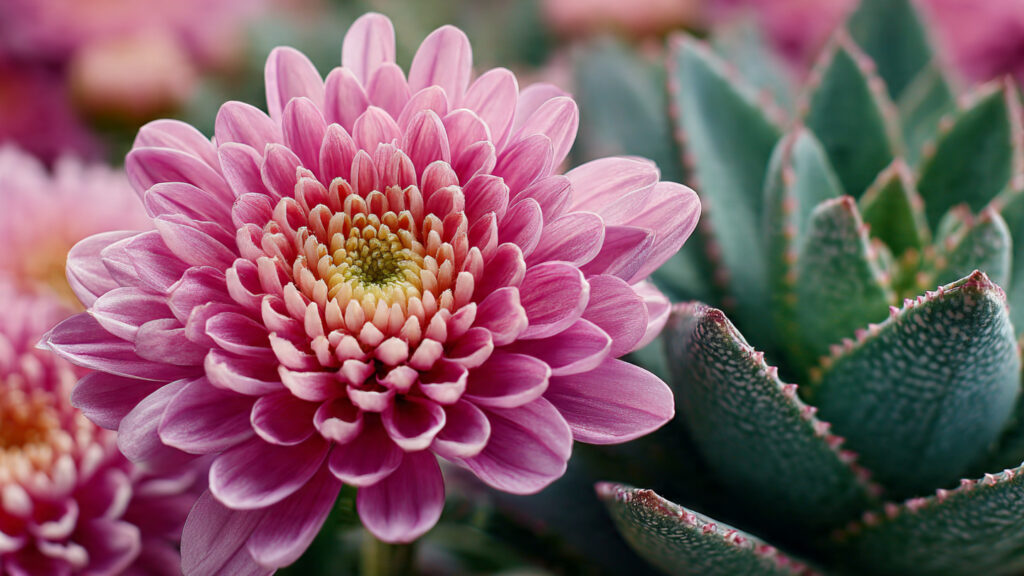
Chrysanthemums are among the most beloved flowering plants in home gardens. Their vibrant colors, layered petals, and long-lasting blooms make them a favorite for borders, pots, balconies, and festive displays. Known botanically as Chrysanthemum, these flowers are prized for their ability to bloom profusely during cooler months when many other plants fade.
But what if there were a simple, natural way to grow healthier chrysanthemum plants with bigger blooms and extended flowering periods?
The answer might already be in your garden: Aloe vera.
Aloe vera is widely known for its medicinal and skincare uses, but it also offers remarkable benefits in gardening. When used correctly, aloe vera can stimulate root growth, improve nutrient absorption, enhance disease resistance, and encourage stronger flowering in chrysanthemums.
Let’s explore how this natural secret works and how you can use it effectively.
Why Chrysanthemums Need Extra Care
Chrysanthemums are heavy feeders and require balanced nutrients to produce lush foliage and large blooms. They thrive in:
- Full to partial sunlight
- Well-draining soil
- Consistent watering
- Regular feeding
However, common problems include:
- Weak stems
- Small or fewer blooms
- Root rot from overwatering
- Fungal diseases
- Short flowering duration
Using synthetic fertilizers can sometimes lead to salt buildup or excessive leafy growth at the expense of flowers. This is where aloe vera offers a gentle, organic alternative.
Why Aloe Vera Works So Well in Gardening
Aloe vera gel contains over 75 active compounds, including:
- Amino acids
- Enzymes
- Vitamins
- Natural growth hormones
- Salicylic acid
- Polysaccharides
These components help plants in multiple ways:
1. Natural Rooting Hormone
Aloe vera contains compounds that stimulate root development. When used during propagation, it helps chrysanthemum cuttings root faster and more successfully.
2. Improved Nutrient Absorption
The enzymes and organic compounds in aloe improve soil microbial activity, helping plants absorb nutrients more efficiently.
3. Disease Resistance
Salicylic acid boosts plant immunity, making chrysanthemums more resistant to fungal infections and environmental stress.
4. Stress Recovery
If your plants suffer from transplant shock, heat stress, or pruning shock, aloe vera helps them recover quickly.
How to Use Aloe Vera for Chrysanthemum Growth
There are several simple methods to apply aloe vera to your chrysanthemum plants.
➡️ How to Grow Malabar Spinach from Cuttings for Fast, Easy Greens
➡️ How to Grow Super Delicious Cabbage at Home Without a Garden
➡️ How to Grow Bean Sprouts at Home in Plastic Bottles Easily (Step‑by‑Step Guide)
➡️ Why is Your Lemon Tree Blooming in the Heart of Winter?
➡️ Why Should Your Garden Have a Dedicated Pollinator Highway?
➡️ Why Do Your Fruit Trees Need a Winter Wash to Thrive in Spring?
➡️ How Can Rice Water Transform Your Fruits into Sweeter Delights?
➡️ Jumpstart Your Winter Garden: Seed Starting Under Lights
Method 1: Aloe Vera Root Booster for Cuttings
Chrysanthemums are easily propagated from stem cuttings. Using aloe vera increases rooting success.
Steps:
- Take a 4–6 inch healthy cutting.
- Remove lower leaves.
- Extract fresh aloe gel from a leaf.
- Dip the cut end into the gel.
- Plant in moist, well-draining soil.
The gel protects the cutting from infection and stimulates root formation. Roots typically develop within 10–14 days under proper conditions.
Method 2: Aloe Vera Soil Drench for Strong Growth
This method strengthens established plants.
How to Prepare:
- Blend 2 tablespoons of fresh aloe gel in 1 liter of water.
- Mix thoroughly until dissolved.
How to Apply:
- Water the base of the plant once every 2–3 weeks.
- Avoid overuse; moderation is key.
Benefits include:
- Stronger stems
- Greener foliage
- Better bud formation
- Improved flowering duration
Method 3: Aloe Foliar Spray for Disease Protection
A foliar spray enhances leaf health and prevents fungal issues.
Recipe:
- 1 tablespoon aloe gel
- 1 liter water
- Optional: a drop of mild liquid soap (as emulsifier)
Spray lightly on leaves in the early morning or late afternoon. This boosts immunity and helps maintain glossy, healthy foliage.
Boosting Flower Size Naturally
If your goal is bigger chrysanthemum blooms, aloe vera can help indirectly by:
- Encouraging strong root systems
- Supporting balanced nutrient uptake
- Reducing plant stress
For best results:
- Pinch growing tips early to encourage branching.
- Provide 5–6 hours of sunlight daily.
- Use aloe soil drench during bud formation stage.
- Ensure adequate phosphorus in soil for blooming.
When roots are strong and the plant is stress-free, flowers grow larger and last longer.
Extending the Flowering Period
Chrysanthemums bloom based on day length. They are short-day plants, meaning they flower when nights are longer.
To extend flowering:
- Keep plants in bright light during the day.
- Avoid artificial light at night.
- Use aloe spray to strengthen buds.
- Remove faded flowers promptly (deadheading).
Aloe vera helps maintain plant vigor, which translates to extended bloom cycles.
Ideal Growing Conditions for Chrysanthemums
Even with aloe support, proper care remains essential.
Soil
- Well-draining, rich in organic matter
- Slightly acidic to neutral pH (6.0–7.0)
Watering
- Keep soil evenly moist
- Avoid waterlogging
- Water at base to prevent leaf diseases
Fertilization
- Use balanced fertilizer during vegetative stage
- Switch to bloom booster during bud stage
- Combine with aloe treatment every few weeks
Common Mistakes to Avoid
Using aloe vera is beneficial, but overuse can cause problems.
1. Applying Too Frequently
Excess organic matter may encourage fungal growth. Stick to every 2–3 weeks.
2. Using Spoiled Aloe
Always use fresh gel. Old or fermented gel may harm plants.
3. Overwatering After Application
Aloe retains moisture, so avoid soaking soil excessively.
4. Ignoring Sunlight Needs
No supplement can replace proper lighting conditions.
Can Aloe Vera Replace Fertilizer?
Aloe vera is not a complete fertilizer. It works best as a supplement.
Think of aloe as a:
- Growth enhancer
- Root stimulator
- Immunity booster
- Stress reliever
For maximum flowering, combine aloe treatments with:
- Compost
- Bone meal
- Balanced organic fertilizer
Additional Natural Boosters to Combine with Aloe
For even better results, consider combining aloe with:
- Banana peel compost (for potassium)
- Vermicompost (for microbial health)
- Seaweed extract (for micronutrients)
- Epsom salt (for magnesium boost)
Used responsibly, these natural inputs create thriving, flower-loaded plants.
Benefits of Using Aloe Vera on Chrysanthemums
Here’s what you can expect:
- Faster rooting of cuttings
- Stronger stems
- Greener leaves
- Bigger and more vibrant blooms
- Longer flowering duration
- Improved resistance to pests and diseases
- Healthier soil ecosystem
All without synthetic chemicals.
Final Thoughts
Growing chrysanthemums doesn’t have to rely heavily on chemical fertilizers or expensive plant boosters. By using aloe vera as a natural enhancer, you provide your plants with gentle yet powerful support.
From stronger roots to larger blooms and extended flowering periods, this simple gardening secret can make a noticeable difference in your results. When combined with proper sunlight, watering, pruning, and balanced feeding, aloe vera becomes an effective natural ally for stunning chrysanthemum displays.
If you’re looking for healthier plants, brighter flowers, and longer-lasting blooms—try this natural method. Sometimes the most powerful gardening solutions are already growing quietly in your backyard.