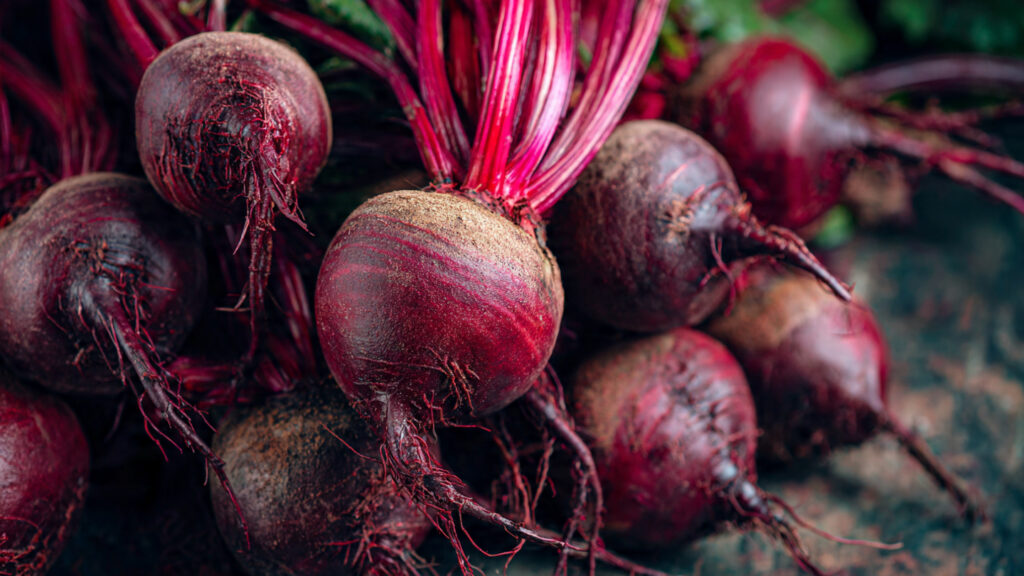
Beetroot, with its vibrant red hue, sweet earthy flavor, and powerful health benefits, has become a staple in kitchens around the world. Packed with vitamins, minerals, and antioxidants, beetroot is excellent for boosting immunity, supporting heart health, and improving digestion. But why settle for store-bought roots when you can grow fresh, organic beetroot at home?
Growing beetroot at home is not only rewarding but also surprisingly simple. Whether you have a backyard garden, a balcony, or even a small windowsill, this guide will walk you step by step through the process of cultivating healthy, colorful, and nutrient-rich beetroot. By the end, you’ll have a thriving crop of beetroot ready to harvest, cook, and enjoy in a variety of dishes.
Why Grow Beetroot at Home?
Homegrown beetroot offers numerous advantages over store-bought varieties:
1. Freshness and Flavor
Homegrown beetroots are naturally sweeter and juicier because they can be harvested at peak ripeness. Store-bought beetroot often spends days in transport and storage, losing flavor and nutrients.
2. Organic and Chemical-Free
By growing at home, you control the soil, water, and fertilizers, ensuring a pesticide-free harvest.
3. Cost-Effective
A small investment in seeds and soil can yield dozens of beetroot, saving money in the long run.
4. Health Benefits
Beetroot is rich in folate, manganese, potassium, iron, vitamin C, and nitrates, which support cardiovascular health, improve stamina, and aid detoxification.
5. Educational and Therapeutic
Gardening is therapeutic and a great way to teach children about healthy eating and plant growth.
Choosing the Right Variety
There are several beetroot varieties, each suited for different purposes:
- Detroit Dark Red: Sweet, deep red, and ideal for salads and roasting.
- Boltardy: Fast-growing and resistant to bolting, perfect for beginners.
- Golden Beet: Yellow variety with a milder flavor and less staining.
- Chioggia: Italian heirloom with red-and-white striped roots, great for visual appeal.
Choose a variety based on taste preference, growing season, and the space you have available.
Best Soil and Location for Beetroot
Beetroot thrives in well-draining, loamy soil that is rich in organic matter. Here’s what to consider:
- pH Level: Slightly acidic to neutral (6.0–7.0)
- Soil Preparation: Add compost or well-rotted manure to enrich nutrients.
- Sunlight: Beetroot requires 6–8 hours of sunlight daily for optimal growth.
- Space: Roots need room to expand, so avoid compact soil and crowded planting.
Raised beds, garden plots, or large containers all work well, making beetroot suitable for urban and small-space gardening.
Step-by-Step Guide to Growing Beetroot
Step 1: Seed Selection and Sowing
- Use fresh seeds for the best germination.
- Soak seeds in water overnight to accelerate germination (optional).
- Sow seeds directly into soil, ½–1 inch deep, with 1–2 inches spacing between seeds.
- Rows should be 12–18 inches apart to allow adequate airflow and sunlight.
Step 2: Watering and Moisture
- Keep the soil consistently moist, especially during germination (7–14 days).
- Avoid waterlogging as beetroot roots can rot in soggy soil.
- Water at the base of the plant to prevent leaf diseases.
Step 3: Thinning Seedlings
Once seedlings reach 2–3 inches tall, thin them to 3–4 inches apart to give each root enough room to develop. Thinning prevents overcrowding and ensures uniform growth.
Step 4: Fertilization
- Beetroot is a moderate feeder.
- Apply a balanced fertilizer or compost tea every 3–4 weeks.
- Avoid excess nitrogen, as it encourages leafy growth at the expense of root development.
Step 5: Mulching
Mulch around beetroot plants to retain moisture, regulate soil temperature, and prevent weeds. Straw, dried leaves, or grass clippings work well.
Step 6: Pest and Disease Management
Beetroot is generally hardy, but watch out for:
➡️ How to Grow Malabar Spinach from Cuttings for Fast, Easy Greens
➡️ How to Grow Super Delicious Cabbage at Home Without a Garden
➡️ How to Grow Bean Sprouts at Home in Plastic Bottles Easily (Step‑by‑Step Guide)
➡️ Why is Your Lemon Tree Blooming in the Heart of Winter?
➡️ Why Should Your Garden Have a Dedicated Pollinator Highway?
➡️ Why Do Your Fruit Trees Need a Winter Wash to Thrive in Spring?
➡️ How Can Rice Water Transform Your Fruits into Sweeter Delights?
➡️ Jumpstart Your Winter Garden: Seed Starting Under Lights
- Aphids: Spray mild soapy water or neem oil.
- Leaf Miners: Remove affected leaves promptly.
- Fungal Diseases: Ensure good air circulation and avoid overhead watering.
Companion Planting for Healthier Beetroot
Planting beetroot alongside certain plants can improve growth and protect against pests:
- Onions and Garlic: Repel aphids and other insects.
- Lettuce and Spinach: Utilize space efficiently and provide shade to young roots.
- Cabbage and Brassicas: Avoid planting too close as they compete for nutrients.
Harvesting Your Beetroot
Beetroot can be harvested at various stages depending on your preference:
- Baby Beets: 4–5 weeks after sowing, when roots are 1–2 inches in diameter, perfect for salads.
- Mature Beets: 7–9 weeks after sowing, when roots reach 2–3 inches in diameter, ideal for roasting or juicing.
Tips for harvesting:
- Loosen the soil gently with a fork before pulling to avoid breaking roots.
- Do not leave mature roots in the soil too long; they may become woody.
- Store harvested beetroot in a cool, dark place or refrigerate for up to two weeks.
Storing and Preserving Beetroot
- Refrigeration: Remove leaves and store roots in a perforated plastic bag.
- Freezing: Boil or steam beetroot, peel, and store in airtight containers.
- Pickling: Preserves flavor and color for months.
- Juicing: Use immediately or store juice in the refrigerator for a few days.
Using Beetroot in the Kitchen
Beetroot is versatile and can be used in multiple ways:
- Salads: Grated raw or thinly sliced for a crunchy texture.
- Juices and Smoothies: Blend with carrots, apples, or ginger for a nutrient-packed drink.
- Soups: Classic beetroot soup (borscht) or creamy beet soup.
- Roasting: Toss with olive oil, salt, and herbs for a sweet caramelized flavor.
- Pickles and Chutneys: Add flavor and vibrant color to your meals.
Even the leaves are edible! Beet greens can be sautéed like spinach or added to soups and stir-fries.
Common Mistakes to Avoid
- Overcrowding: Can lead to small, misshapen roots.
- Excessive Nitrogen: Produces lush leaves but weak roots.
- Neglecting Watering: Irregular watering can cause cracked roots.
- Ignoring Soil Quality: Poor soil results in slow growth and poor color.
Benefits of Growing Beetroot at Home
- Nutritional Value: Rich in antioxidants, vitamins, and minerals.
- Sustainable: Reduce carbon footprint by growing your own food.
- Therapeutic: Gardening reduces stress and promotes mindfulness.
- Cost Savings: A small packet of seeds can yield dozens of roots.
- Educational: Great project for kids to learn about plant growth and healthy eating.
Seasonal Tips
- Spring and Autumn: Ideal growing seasons in most regions.
- Summer: Provide partial shade in hotter climates.
- Winter: Use cold frames or containers to protect plants from frost.
Conclusion
Growing beetroot at home is a satisfying and healthful pursuit. From sowing seeds to harvesting colorful, nutrient-rich roots, the process is simple, cost-effective, and highly rewarding. With the right soil, sunlight, watering, and care, you can enjoy a continuous supply of fresh beetroot all year round.
Whether you’re an urban gardener with limited space or a backyard enthusiast, beetroot is a versatile and resilient plant that can bring vibrancy, flavor, and nutrition to your home. By following this complete guide, you’ll not only grow beautiful, healthy beetroot but also cultivate a deeper connection with your food and the joy of home gardening.
Start small, be consistent, and watch as your garden transforms into a colorful bounty of beetroots ready to delight your palate and nourish your body.