If you’re looking for a low-maintenance plant that adds elegance, cleans the air, and practically thrives on neglect, Sansevieria is your perfect match. Commonly known as the snake plant or mother-in-law’s tongue, this iconic houseplant has surged in popularity over the years for its architectural beauty, hardiness, and natural air-purifying abilities. From cozy apartments to spacious living rooms, Sansevieria is an indoor gardening superstar that combines style with function.
In this complete guide, we will explore everything you need to know about Sansevieria—from its botanical secrets to proper care techniques—so you can enjoy a healthy, thriving plant while improving your home’s air quality.
The Allure of Sansevieria
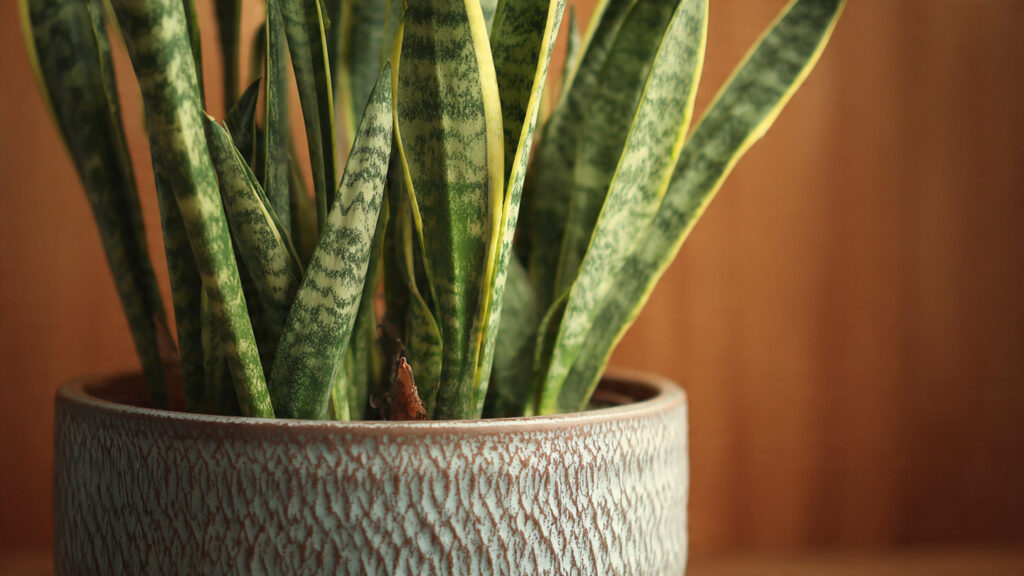
Sansevieria stands out because it is more than just an ornamental plant. Its stiff, upright leaves can range from deep green to variegated patterns with stripes or golden edges, giving a sculptural element to any interior space. But beyond its aesthetics, Sansevieria has earned a reputation as a natural air purifier.
NASA’s Clean Air Study highlighted its ability to filter toxins such as formaldehyde, benzene, and trichloroethylene, which are commonly found in indoor environments. By simply having a few snake plants around, you’re contributing to a healthier, fresher living space.
Other benefits include:
- Extremely low maintenance
- Tolerance to low light conditions
- Slow, manageable growth
- Drought resistance
- Long lifespan
These qualities make Sansevieria an ideal choice for both beginner and seasoned plant enthusiasts.
Understanding the Botanical Secrets of Sansevieria
Sansevieria belongs to the family Asparagaceae and originates from tropical West Africa. Its leaves grow vertically from a basal rosette and store water in thick, succulent tissues. This adaptation allows the plant to survive long periods without water, making it remarkably drought-tolerant.
The plant also exhibits Crassulacean Acid Metabolism (CAM) photosynthesis. This unique process allows it to absorb carbon dioxide at night, rather than during the day, which is unusual among plants. As a result, Sansevieria continues producing oxygen during nighttime, making it perfect for bedrooms.
Varieties of Sansevieria include:
- Sansevieria trifasciata – classic green leaves with horizontal stripes
- Sansevieria trifasciata ‘Laurentii’ – green leaves edged with yellow
- Sansevieria cylindrica – round, spear-shaped leaves
- Sansevieria hahnii – compact, bird’s nest form
Each variety has its own charm, but all share similar care requirements and air-purifying properties.
Choosing the Right Location
Sansevieria is extremely adaptable, which is part of its appeal. However, choosing the right location helps it thrive and look its best.
Light Requirements
- Bright, indirect light is ideal for healthy growth.
- Can tolerate low light conditions, though growth may slow.
- Avoid prolonged direct sunlight, which can scorch the leaves.
Whether it’s a corner of the living room, an office desk, or near a window with filtered sunlight, Sansevieria adapts gracefully.
Temperature Preferences
Sansevieria prefers:
- Temperatures between 15–27°C (59–80°F)
- Avoid exposure below 10°C (50°F)
- Keep away from cold drafts and sudden temperature changes
These plants are hardy in typical indoor climates and can handle occasional fluctuations without stress.
The Art of Watering
One of the biggest mistakes with Sansevieria is overwatering. Because it stores water in its leaves, it is more prone to root rot if kept too wet.
➡️ How to Grow Malabar Spinach from Cuttings for Fast, Easy Greens
➡️ How to Grow Super Delicious Cabbage at Home Without a Garden
➡️ How to Grow Bean Sprouts at Home in Plastic Bottles Easily (Step‑by‑Step Guide)
➡️ Why is Your Lemon Tree Blooming in the Heart of Winter?
➡️ Why Should Your Garden Have a Dedicated Pollinator Highway?
➡️ Why Do Your Fruit Trees Need a Winter Wash to Thrive in Spring?
➡️ How Can Rice Water Transform Your Fruits into Sweeter Delights?
➡️ Jumpstart Your Winter Garden: Seed Starting Under Lights
Watering tips:
- Allow soil to dry out completely between watering sessions.
- Water every 2–6 weeks, depending on light, temperature, and season.
- In winter, reduce watering to once a month or even less.
- Avoid letting water sit in the bottom of the pot.
A dry leaf is far easier to fix than a rotting root, so err on the side of underwatering.
Soil and Potting Essentials
Sansevieria thrives in well-draining soil. The ideal mix combines:
- Cactus or succulent potting mix
- Sand or perlite to improve drainage
- Avoid heavy, water-retentive soils
Choose a pot with drainage holes to prevent water from pooling around the roots. A slightly snug pot encourages stability and compact growth, though you can repot every 2–3 years if it becomes root-bound.
Fertilization Secrets
Sansevieria doesn’t require frequent feeding, but occasional nutrients support healthier growth.
- Fertilize once or twice a year during spring and summer
- Use a balanced, diluted liquid fertilizer or succulent fertilizer
- Avoid high nitrogen fertilizers that promote excessive leafy growth
Over-fertilizing can damage roots and reduce the plant’s natural resilience, so moderation is key.
Pruning and Maintenance
Pruning Sansevieria is simple but can make a big difference in appearance:
- Remove damaged or yellow leaves at the base using clean scissors.
- Cut back overly tall or unruly leaves to maintain shape.
- Clean leaves occasionally with a damp cloth to remove dust.
This minimal care ensures the plant maintains its structural beauty and continues purifying the air efficiently.
Propagation Techniques
Sansevieria is easy to propagate, making it perfect for creating multiple plants from a single mother plant.
Leaf Cuttings
- Cut a healthy leaf near the base.
- Allow the cutting to callous for a day or two.
- Plant in well-draining soil.
- Water sparingly until roots form (2–6 weeks).
Division
- Remove the plant from its pot and gently separate root clumps.
- Replant divisions in individual pots.
- Water lightly after replanting.
Propagation by division tends to establish faster than leaf cuttings and ensures identical plants.
Dealing with Common Problems
Sansevieria is remarkably resilient, but a few issues can arise:
- Root rot – caused by overwatering; remedy by trimming affected roots and repotting in dry soil.
- Pests – occasionally affected by mealybugs or spider mites; treat with insecticidal soap.
- Leaf curling or yellowing – often a sign of inconsistent watering or low light.
With proper attention to watering and light, most problems are easily avoided.
Air-Purifying Benefits
Sansevieria’s ability to cleanse indoor air makes it more than a decorative plant. It absorbs toxins, releases oxygen at night, and improves humidity balance. Having several plants in bedrooms, living rooms, or offices can:
- Reduce indoor pollutants
- Improve respiratory health
- Increase overall well-being
- Add a calming green aesthetic to your space
In modern homes where indoor air quality is often compromised by electronics, paints, and furniture, Sansevieria serves as a natural ally.
Styling Your Sansevieria
The striking upright leaves make Sansevieria perfect for various interior design styles:
- Minimalist interiors – tall varieties in simple ceramic pots
- Bohemian style – multiple small pots grouped together
- Office décor – medium-sized plants on desks or shelves
- Entryways – tall varieties as living statement pieces
Its sculptural shape and slow growth allow for flexible placement without overcrowding your space.
Final Thoughts
Sansevieria is truly one of the most versatile, resilient, and beneficial houseplants you can grow. Its architectural leaves, low maintenance, and air-purifying properties make it a must-have for any home. With minimal watering, well-draining soil, and a bright spot indoors, you’ll enjoy a thriving plant that lasts for years.
Whether you’re a beginner gardener or an experienced plant lover, caring for Sansevieria is simple and rewarding. Not only will it enhance your living space with natural beauty, but it will also help create a healthier, cleaner indoor environment.
Bring home a Sansevieria, nurture it with a little love, and let this botanical wonder purify your air while brightening your home with its elegant presence.