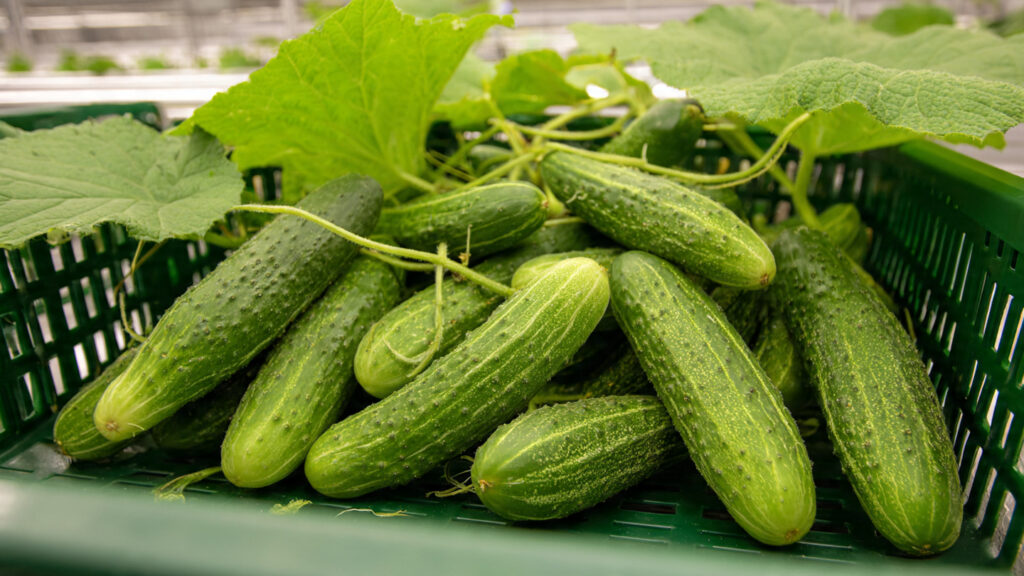
Cucumbers are a refreshing, versatile vegetable that can be enjoyed fresh, pickled, or in salads. Traditionally, growing cucumbers requires a garden bed, plenty of space, and good soil. But what if you don’t have a garden? The good news is that you can successfully grow cucumbers in plastic tubs, balcony containers, or even large pots. With the right approach, you can achieve a high-yield harvest without needing a full garden space.
This guide provides step-by-step instructions for growing cucumbers in plastic tubs, covering everything from selecting the right variety to harvesting your delicious produce.
Why Grow Cucumbers in Plastic Tubs?
Growing cucumbers in plastic tubs has several advantages:
- Space-saving: Ideal for urban apartments, balconies, or small patios.
- Soil control: You can provide nutrient-rich soil without worrying about poor garden soil.
- Pest management: Containers reduce exposure to ground pests like slugs or root insects.
- High yield: Proper care in tubs can produce abundant cucumbers comparable to garden-grown plants.
With a few simple techniques, plastic tubs can provide an excellent environment for cucumbers to thrive.
Step 1: Choosing the Right Cucumber Variety
Not all cucumber varieties are ideal for container cultivation. Experts recommend compact or bush varieties because they grow well in limited space.
Recommended Varieties for Tubs:
- Bush cucumbers: Short, compact plants with small vines.
- Pickling cucumbers: Suitable for small spaces and fast growth.
- Mini cucumbers: Produce tender fruits and thrive in containers.
Vining varieties can also work, but they will need support like trellises or stakes inside the tub.
Step 2: Selecting the Plastic Tub
The size and type of tub you choose directly affect cucumber growth.
Tub Requirements:
- Depth: At least 12–16 inches to accommodate roots.
- Width: Minimum 18–24 inches for one plant; larger tubs allow multiple plants.
- Material: Food-grade plastic is ideal. Avoid old chemical containers.
- Drainage: Drill 3–4 holes at the bottom for water drainage.
A properly sized tub ensures strong root development and healthy plant growth.
Step 3: Preparing the Soil
Cucumbers are heavy feeders, so nutrient-rich soil is essential for high yields.
Recommended Potting Mix:
- 2 parts garden soil or loam
- 1 part compost or well-rotted manure
- 1 part perlite or coarse sand for drainage
Mix thoroughly and moisten the soil before planting. Avoid waterlogged soil, as cucumber roots are prone to rot.
Step 4: Planting Cucumbers
You can grow cucumbers from seeds or seedlings.
From Seeds:
- Sow seeds 1 inch deep in the tub.
- Space seeds 12–18 inches apart.
- Keep the soil moist until seeds germinate.
From Seedlings:
- Transplant seedlings carefully, keeping the root ball intact.
- Space seedlings according to tub size (1–2 plants per tub recommended).
- Water lightly after transplanting.
Plastic tubs provide flexibility to experiment with spacing and plant numbers.
Step 5: Providing Support
Cucumbers naturally vine and can sprawl. For tub cultivation, providing vertical support ensures healthy growth and maximizes space.
Support Methods:
- Trellis: Insert bamboo sticks or a wire trellis into the tub for the vine to climb.
- Cages: Tomato cages also work well for bush or vining varieties.
- String support: Tie strings to a balcony railing for vertical growth.
Supporting the plants keeps fruits clean, improves air circulation, and reduces disease risk.
Step 6: Watering
Cucumbers require consistent moisture for optimal fruit production.
➡️ How to Grow Malabar Spinach from Cuttings for Fast, Easy Greens
➡️ How to Grow Super Delicious Cabbage at Home Without a Garden
➡️ How to Grow Bean Sprouts at Home in Plastic Bottles Easily (Step‑by‑Step Guide)
➡️ Why is Your Lemon Tree Blooming in the Heart of Winter?
➡️ Why Should Your Garden Have a Dedicated Pollinator Highway?
➡️ Why Do Your Fruit Trees Need a Winter Wash to Thrive in Spring?
➡️ How Can Rice Water Transform Your Fruits into Sweeter Delights?
➡️ Jumpstart Your Winter Garden: Seed Starting Under Lights
Watering Tips:
- Keep the soil evenly moist but not soggy.
- Water at the base of the plant to avoid wetting leaves, which can lead to fungal diseases.
- During hot weather, tubs may dry out faster than garden soil, so check moisture daily.
- Mulch with straw or dried leaves to retain soil moisture.
Proper watering is crucial for healthy leaves and high-yield cucumbers.
Step 7: Fertilizing for Maximum Yield
Cucumbers are nutrient-hungry plants. Regular feeding ensures strong growth and abundant fruits.
Fertilizer Guidelines:
- Use a balanced liquid fertilizer every 10–14 days.
- Alternatively, use organic fertilizers like compost tea or diluted fish emulsion.
- Focus on potassium and phosphorus to promote flowering and fruiting.
- Avoid excessive nitrogen, which encourages leaf growth at the expense of fruits.
Container-grown cucumbers respond well to regular feeding since nutrients are limited in the tub.
Step 8: Sunlight Requirements
Cucumbers need plenty of sunlight to produce sweet, juicy fruits.
- Provide at least 6–8 hours of direct sunlight daily.
- In extremely hot regions, partial afternoon shade can prevent leaf scorching.
- Rotate tubs if sunlight is uneven to ensure even growth.
Sufficient sunlight is directly linked to flower and fruit production.
Step 9: Pollination
Cucumbers produce both male and female flowers. Pollination is necessary for fruit formation.
Tips for Successful Pollination:
- If grown outdoors, natural pollinators like bees usually handle it.
- For indoor or balcony setups, gently shake the flowers or use a small brush to transfer pollen from male to female flowers.
- Female flowers can be identified by the tiny fruit at the base of the bloom.
Proper pollination ensures a high yield and reduces misshapen fruits.
Step 10: Pest and Disease Management
Plastic tubs reduce some pest problems, but cucumbers are still susceptible to certain issues.
Common Problems:
- Aphids: Spray with water or insecticidal soap.
- Powdery mildew: Ensure good air circulation and avoid overhead watering.
- Spider mites: Maintain humidity and remove affected leaves.
- Root rot: Prevent by avoiding waterlogged soil.
Container cultivation makes monitoring and controlling pests easier than in garden beds.
Step 11: Harvesting Cucumbers
Cucumbers grow fast in tubs, and frequent harvesting encourages continued fruiting.
Harvesting Tips:
- Pick cucumbers when they are firm and green, before seeds enlarge.
- Use a sharp knife or scissors to avoid damaging the vine.
- Regular harvesting prevents overripe fruits from slowing plant production.
- Harvesting every 2–3 days during peak growth maximizes yield.
You can expect your first harvest within 50–60 days for most varieties.
Step 12: Extending the Growing Season
With plastic tubs, you can manipulate conditions to grow cucumbers for longer periods.
- Move tubs to warmer locations during cool weather.
- Use shade cloth during extremely hot days.
- Start new seeds in succession every few weeks to maintain continuous harvests.
This flexibility is a major advantage of container gardening.
Tips for High-Yield Success
- Use large tubs: Larger soil volume supports stronger root growth.
- Provide vertical support: Saves space and promotes healthy vines.
- Consistent watering and feeding: Prevents stress and encourages fruiting.
- Ensure pollination: Use bees or manual pollination for indoor setups.
- Remove yellowing leaves: Focus plant energy on healthy foliage and fruits.
By following these tips, even beginners can achieve bountiful cucumber harvests in a small space.
Benefits of Growing Cucumbers in Tubs
- Ideal for urban gardening and limited spaces.
- Provides fresh, chemical-free produce.
- Easy to manage and maintain.
- Reduces exposure to soil-borne diseases.
- Encourages continuous harvests with proper care.
Plastic tub gardening is a cost-effective, sustainable solution for homegrown cucumbers.
Common Mistakes to Avoid
- Choosing small or shallow containers
- Overwatering leading to root rot
- Ignoring sunlight requirements
- Planting too many seedlings in one tub
- Neglecting pollination for indoor setups
Avoiding these mistakes ensures healthy plants and maximum yield.
Conclusion
Growing cucumbers in plastic tubs is an efficient, practical solution for gardeners without traditional garden space. By selecting the right variety, preparing a nutrient-rich mix, providing support, and maintaining proper care, you can enjoy high-yield harvests of fresh, juicy cucumbers.
This method is beginner-friendly, low-cost, and adaptable to balconies, patios, or any small outdoor space. With consistent care and proper attention to watering, fertilization, and sunlight, plastic tub cultivation can produce cucumbers that rival those grown in traditional garden beds.
No garden? No problem! With plastic tubs and a little know-how, you can grow your own bountiful cucumber harvest right at home.