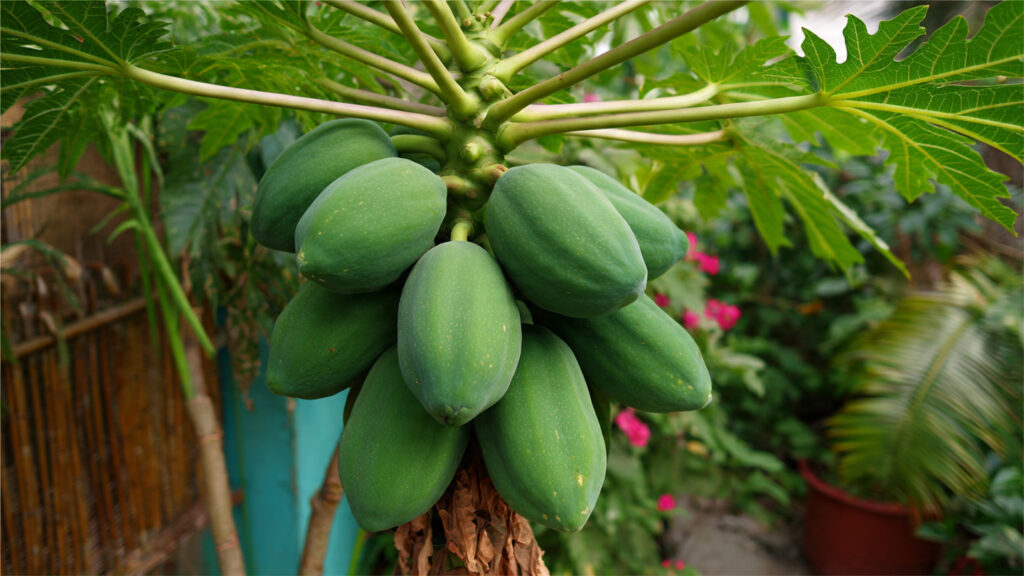
Papaya, often called the “fruit of the angels,” is a tropical delight known for its sweet flavor, vibrant orange flesh, and impressive nutritional value. It is rich in vitamins A, C, and E, packed with antioxidants, and contains the digestive enzyme papain, making it both delicious and healthy. Imagine harvesting your own papayas right from your backyard, balcony, or even a large pot indoors. With the right guidance, growing a papaya plant at home is not only possible—it can be surprisingly fast and rewarding.
In this comprehensive step-by-step guide, you’ll learn everything you need to know to grow a healthy papaya plant that bears fruit quickly.
Why Grow Papaya at Home?
Growing papaya at home has several advantages:
- Fresh and chemical-free: You control what goes on your plant.
- Fast growth: Papaya is one of the fastest fruit-bearing plants.
- Space-efficient: Can be grown in pots or small garden plots.
- Continuous fruiting: Papaya plants can produce fruit year-round in the right conditions.
- High yield: A single plant can produce dozens of fruits in a season.
Whether for personal consumption or gifting friends and family, homegrown papayas offer unmatched satisfaction.
Understanding Papaya Plants
Papayas, scientifically known as Carica papaya, are tropical plants that grow quickly and can reach 5–10 feet in height. Unlike many fruit trees, papayas have a soft, hollow trunk and shallow roots, which makes them ideal for container cultivation.
Papayas can be male, female, or hermaphrodite:
- Male plants: Produce flowers but little to no fruit.
- Female plants: Produce fruit when pollinated.
- Hermaphrodite plants: Self-pollinating, producing consistently shaped fruits.
For home gardeners, hermaphrodite plants are ideal for fast, reliable fruiting.
Step 1: Selecting the Right Seeds or Seedlings
The first step in growing papaya at home is choosing the right starting material:
From Seeds
- Choose ripe, healthy papaya fruits.
- Extract the seeds and wash off pulp.
- Dry seeds in a shaded area for 1–2 days.
From Seedlings
- Purchase healthy young seedlings from a nursery.
- Ensure they are disease-free and have a strong stem.
Tip: Hermaphrodite varieties like “Red Lady” or “Solo” are recommended for consistent fruiting.
Step 2: Preparing the Planting Site or Container
Papayas need sunlight, warmth, and well-draining soil. Depending on your space, you can plant in the ground or use large containers.
For Garden Beds
- Select a sunny spot with 6–8 hours of direct sunlight daily.
- Ensure soil is loose, fertile, and well-draining.
- Avoid areas prone to waterlogging.
For Containers
- Use a pot at least 18–24 inches wide and deep.
- Make sure drainage holes are present.
- Fill with a mix of garden soil, compost, and sand for optimal growth.
Papayas do not tolerate waterlogged conditions, so soil and container choice are crucial for success.
Step 3: Germinating Papaya Seeds
Step-by-Step Germination
- Soak seeds in water for 24 hours to improve germination.
- Plant seeds about ½ inch deep in seedling trays or small pots.
- Keep soil moist but not soggy.
- Maintain a temperature of 25–30°C (77–86°F).
- Germination typically occurs in 2–3 weeks.
Once seedlings have 3–4 true leaves, they are ready to be transplanted.
Step 4: Transplanting Papaya Seedlings
Transplant seedlings carefully to reduce shock:
- Dig a hole slightly larger than the root ball.
- Place the seedling in the hole, ensuring the base of the stem is level with the soil surface.
- Backfill gently and water thoroughly.
- Apply mulch around the base to retain moisture and suppress weeds.
For container-grown papayas, transplant into a larger pot with nutrient-rich soil as seedlings grow.
Step 5: Watering for Fast Growth
Papayas need consistent moisture, especially in the early stages:
➡️ How to Grow Malabar Spinach from Cuttings for Fast, Easy Greens
➡️ How to Grow Super Delicious Cabbage at Home Without a Garden
➡️ How to Grow Bean Sprouts at Home in Plastic Bottles Easily (Step‑by‑Step Guide)
➡️ Why is Your Lemon Tree Blooming in the Heart of Winter?
➡️ Why Should Your Garden Have a Dedicated Pollinator Highway?
➡️ Why Do Your Fruit Trees Need a Winter Wash to Thrive in Spring?
➡️ How Can Rice Water Transform Your Fruits into Sweeter Delights?
➡️ Jumpstart Your Winter Garden: Seed Starting Under Lights
- Water young plants daily during dry periods.
- Ensure soil remains moist but not waterlogged.
- Reduce watering slightly once plants are established.
- Use mulch to help retain soil moisture and regulate temperature.
Proper watering is key to fast growth and healthy foliage.
Step 6: Fertilizing Your Papaya Plant
Papayas are heavy feeders and require regular nutrients for rapid growth and fruiting:
- Use organic compost or well-rotted manure every 4–6 weeks.
- Apply balanced NPK (nitrogen, phosphorus, potassium) fertilizer monthly.
- Include potassium-rich fertilizers during flowering for larger fruits.
- Avoid excessive nitrogen, which encourages leaf growth over fruiting.
Healthy fertilization accelerates flowering and fruit development.
Step 7: Pruning and Training
Papaya plants have soft stems and grow quickly. Some pruning can improve airflow, reduce disease, and strengthen the plant:
- Remove damaged or yellowing leaves.
- Cut off lateral shoots below the main stem.
- Support young plants with stakes if needed.
- Avoid heavy pruning, which may reduce fruit production.
Proper training ensures the plant grows upright and remains healthy for long-term fruiting.
Step 8: Flowering and Fruit Development
Papaya plants typically flower 6–8 months after planting:
- Hermaphrodite plants flower first and are self-pollinating.
- Female plants require a male plant nearby for pollination.
- Flowers appear near the top of the plant, followed by fruit set.
Tips for Successful Fruit Development
- Remove early fruits if too small; this allows stronger fruits to develop.
- Ensure adequate watering and fertilization during flowering.
- Protect flowers and young fruits from strong winds.
Step 9: Pest and Disease Management
Papayas are generally hardy, but they can be affected by pests and diseases:
Common Pests
- Aphids
- Fruit flies
- Spider mites
Common Diseases
- Papaya ringspot virus
- Powdery mildew
- Root rot
Prevention Tips
- Use clean soil and containers.
- Avoid overhead watering.
- Inspect plants regularly for early signs of pests.
- Apply neem oil or organic sprays if necessary.
Healthy growing conditions and proper spacing reduce most problems naturally.
Step 10: Harvesting Papayas
Papayas mature 7–12 months after planting, depending on variety and climate. Signs of ripeness include:
- Skin turning yellow-orange
- Slight softness at the stem end
- Fragrant aroma
Harvesting Steps
- Cut the fruit carefully from the plant with a sharp knife.
- Handle gently to avoid bruising.
- Ripen further at room temperature if slightly green.
A single papaya plant can produce multiple harvests if fruiting is staggered.
Tips for Maximizing Your Harvest
- Plant hermaphrodite varieties for faster and reliable fruiting.
- Ensure consistent watering and fertilization.
- Maintain 6–8 hours of sunlight daily.
- Regularly remove damaged leaves and fruits.
- Use containers with wide spacing to allow rhizomes and roots to spread.
Following these tips accelerates growth and increases yield.
Growing Papaya in Small Spaces
Even limited spaces like balconies or patios can support papaya growth:
- Use large containers with drainage holes.
- Select compact or dwarf varieties.
- Rotate pots for sunlight exposure.
- Fertilize regularly to compensate for limited soil volume.
Container-grown papayas may produce slightly smaller fruits but still deliver excellent results.
Benefits of Growing Papaya at Home
- Access to fresh, chemical-free fruit.
- Fast results—harvest in less than a year.
- Cost-effective compared to store-bought papayas.
- Continuous fruiting with proper care.
- Educational and fun gardening experience.
Homegrown papayas also add tropical beauty to your garden or balcony.
Final Thoughts
Growing your own papaya plant at home is easier than many gardeners think. With the right selection of seeds or seedlings, proper soil preparation, consistent watering, regular fertilization, and minimal pruning, you can enjoy fast growth and bountiful harvests.
By following this step-by-step guide, even beginners can cultivate a healthy papaya plant in containers or garden beds. Within months, you’ll experience the joy of harvesting sweet, fresh papayas directly from your own backyard.
Papayas are not only delicious—they’re nutritious, fast-growing, and rewarding. Start today, and soon you’ll enjoy the satisfaction of homegrown fruit right at your fingertips.