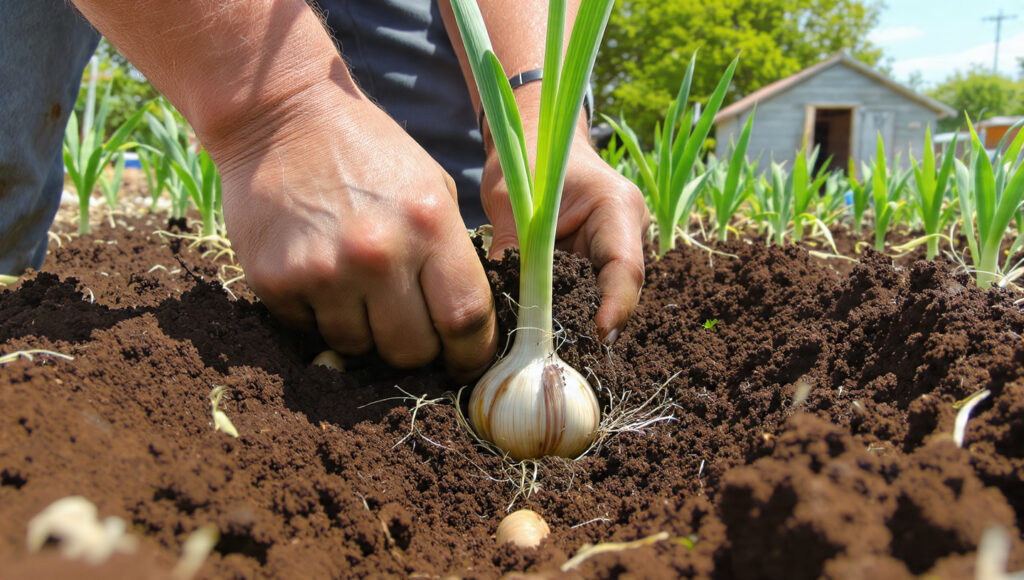
Garlic is one of the most versatile and essential ingredients in kitchens around the world. From adding flavor to dishes to providing numerous health benefits, garlic is a must-have for both chefs and home cooks. But growing garlic can be a slow process, often taking six to nine months from planting to harvest. For gardeners eager for quick, large, and early yields, there’s a solution: a simple breeding method that accelerates growth and maximizes harvests. In this guide, we’ll explore how to grow garlic faster than ever using practical, beginner-friendly techniques.
Understanding Garlic Growth
Garlic (Allium sativum) is a bulbous plant that grows from cloves rather than seeds. Each clove develops into a full bulb when planted, and the size of the harvested bulb depends on clove size, soil fertility, and cultivation methods. Garlic requires cool weather for proper bulb formation and thrives in well-drained, fertile soil.
There are two main types of garlic:
- Hardneck Garlic: Produces a central flower stalk (scape) and typically has larger cloves. Best for cooler climates.
- Softneck Garlic: Produces more cloves per bulb, has a longer storage life, and is suitable for milder climates.
Traditional garlic cultivation is straightforward, but for gardeners wanting early and larger harvests, adopting selective breeding and improved planting methods can make a significant difference.
The Key to Faster and Bigger Garlic
The main principle behind faster garlic growth is selective clove breeding. This involves choosing the best-performing garlic cloves from previous harvests to plant the next crop. By consistently selecting larger, healthier cloves, you encourage faster growth, earlier maturity, and bigger bulbs over successive seasons.
Steps for Garlic Breeding
- Select the Best Bulbs: At harvest, choose bulbs that are large, firm, and free from disease. Avoid small or misshapen bulbs, as these tend to produce smaller offspring.
- Break Into Cloves Carefully: Each clove can grow into a new bulb. Handle them gently to avoid bruising or damaging the clove.
- Save Only the Strongest Cloves: From each bulb, pick the largest and healthiest cloves for planting. These are the “breeding stock” that will generate superior garlic in the next cycle.
- Plant at the Right Depth and Spacing: For rapid growth, plant cloves 2-3 inches deep and 6 inches apart. Proper spacing ensures each plant gets enough nutrients and sunlight to reach full potential.
By consistently planting the best-performing cloves, you gradually develop a garlic line that produces larger bulbs earlier than traditional planting.
Preparing the Soil for Maximum Growth
Soil preparation is critical for early and robust garlic growth. Garlic prefers loamy, well-drained soil rich in organic matter. Heavy clay or waterlogged soil can slow growth and increase disease risk.
- Add Compost: Incorporate 2-3 inches of well-rotted compost into the soil before planting. This improves fertility, drainage, and microbial activity.
- Check pH Levels: Garlic thrives in soil with a pH of 6.0–7.0. Adjust acidity with lime or sulfur if necessary.
- Fertilize: Before planting, use a balanced fertilizer rich in phosphorus and potassium to promote root development and bulb formation. Nitrogen is essential in early growth but should be reduced once bulbs start forming.
Proper soil preparation ensures that garlic can grow quickly and reach its full potential, making the breeding method even more effective.
Optimizing Planting Time
Planting time has a significant impact on garlic growth and harvest speed. In most regions:
- Fall Planting: Cloves planted in autumn develop strong roots over winter and sprout early in spring. This method is ideal for hardneck varieties and typically results in larger bulbs.
- Early Spring Planting: Suitable for regions with harsh winters or for gardeners aiming for a quick harvest. Cloves grow rapidly but may produce slightly smaller bulbs.
For gardeners wanting fast and early harvests, consider fall planting combined with selective breeding. This method allows cloves to establish roots before the growing season and ensures vigorous early growth.
Watering and Mulching
Proper moisture management is essential for fast-growing garlic. Garlic needs consistent moisture but does not tolerate waterlogging. Overwatering can lead to root rot, while underwatering slows growth.
- Watering Schedule: Water deeply once or twice a week, depending on rainfall and soil type. Reduce watering as bulbs mature to prevent splitting.
- Mulching: Apply a 2-3 inch layer of straw, leaves, or grass clippings. Mulch retains soil moisture, suppresses weeds, and protects cloves from temperature extremes.
Mulching also supports faster growth by maintaining a stable root environment, allowing garlic to develop quickly and reach early maturity.
Encouraging Early Bulb Formation
Early and robust bulb development is a goal of lazy but effective garlic cultivation. In addition to breeding and soil management, a few simple practices encourage faster bulb formation:
- Remove Flower Stalks (Scapes): For hardneck garlic, trim scapes once they curl. This redirects the plant’s energy from flowering to bulb growth.
- Side-Dress with Fertilizer: Apply a nitrogen-rich fertilizer in early growth stages, then switch to phosphorus and potassium once bulb formation begins.
- Ensure Full Sun Exposure: Garlic needs at least 6-8 hours of sunlight per day for optimal growth and early harvest.
Following these steps ensures garlic plants allocate energy efficiently, producing larger bulbs earlier than standard methods.
Pest and Disease Management
Even in fast-growing garlic, pests and diseases can slow growth and reduce yield. Common issues include:
➡️ How to Grow Malabar Spinach from Cuttings for Fast, Easy Greens
➡️ How to Grow Super Delicious Cabbage at Home Without a Garden
➡️ How to Grow Bean Sprouts at Home in Plastic Bottles Easily (Step‑by‑Step Guide)
➡️ Why is Your Lemon Tree Blooming in the Heart of Winter?
➡️ Why Should Your Garden Have a Dedicated Pollinator Highway?
➡️ Why Do Your Fruit Trees Need a Winter Wash to Thrive in Spring?
➡️ How Can Rice Water Transform Your Fruits into Sweeter Delights?
➡️ Jumpstart Your Winter Garden: Seed Starting Under Lights
- Onion Thrips: Small insects that feed on leaves, causing yellowing and stunted growth.
- White Rot: A fungal disease that affects roots and bulbs, leading to decay.
- Nematodes: Microscopic worms that damage roots, slowing development.
Preventive measures are the easiest and most effective:
- Rotate crops annually to reduce soil-borne diseases.
- Use clean, disease-free cloves for planting.
- Avoid planting garlic near onions or leeks, which can harbor similar pests.
By minimizing stress factors, garlic can grow faster and reach harvest sooner.
Harvesting for Quick and Big Yields
Knowing when and how to harvest is crucial for maximizing garlic size and speed:
- Monitor Leaf Color: Garlic is ready when the lower leaves turn yellow but upper leaves remain green.
- Avoid Waiting Too Long: Over-mature bulbs may split, reducing storage life. Early-harvest garlic is firm and flavorful.
- Cure Properly: After harvesting, dry garlic in a well-ventilated, shaded area for 2-3 weeks. Proper curing enhances shelf life and flavor.
Using selective breeding, combined with proper care and early harvesting techniques, gardeners can enjoy larger bulbs weeks ahead of traditional methods.
Advantages of the Simple Breeding Method
The simple breeding method for garlic offers numerous benefits:
- Faster Growth: Carefully selected cloves grow quicker and establish roots faster.
- Larger Bulbs: Repeatedly planting the biggest and healthiest cloves increases average bulb size over time.
- Early Harvests: Optimized planting and growth conditions result in garlic maturing sooner.
- Cost Efficiency: No need for expensive fertilizers or chemicals—selective breeding relies on natural plant selection.
- Sustainability: Saving your own high-quality cloves reduces dependency on store-bought garlic.
This method is suitable for small home gardens, balcony containers, or large farm-scale production, making it highly versatile.
Conclusion
Growing garlic faster and bigger doesn’t require complex technology or exotic inputs. By using selective clove breeding, optimal soil preparation, proper watering, mulching, and careful monitoring, gardeners can achieve quick, early, and high-yield harvests.
Whether you’re a beginner gardener or a seasoned grower, this simple breeding method transforms garlic cultivation into an efficient, rewarding process. You’ll enjoy fresh, flavorful garlic earlier in the season, with larger bulbs than traditional methods can produce.
With a little care, patience, and consistency, you can create your own line of superior garlic that performs better every year. Say goodbye to slow, unpredictable garlic harvests and embrace the lazy gardener’s way of growing garlic faster than ever—quick, big, and early!