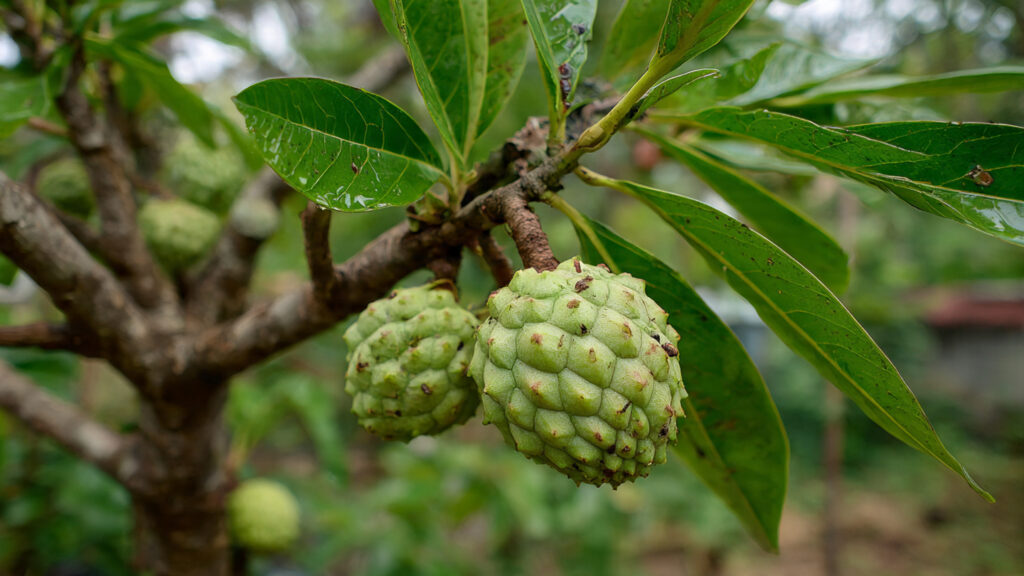
Sweetsop, also known as Sitaphal or sugar-apple, is a tropical fruit beloved for its creamy, sweet pulp and unique flavor. Native to the Americas and widely cultivated in Asia, sweetsop is not only delicious but also highly nutritious, packed with vitamins, minerals, and antioxidants. While commonly found in markets, growing your own sweetsop tree at home ensures fresh, organic fruit, and adds beauty to your garden. In this guide, we’ll take you step by step from seed to harvest, making it possible for anyone to grow a thriving sweetsop tree at home.
Understanding Sweetsop: Why Grow It at Home?
Sweetsop (Annona squamosa) is a small to medium-sized tropical tree known for its heart-shaped, segmented fruits covered with soft green scales. Each fruit is packed with soft, white, sweet pulp surrounding black seeds. Growing your own sweetsop tree at home has several advantages:
- Fresh and organic fruit – Free from pesticides and chemicals.
- Cost-effective – Saves money over buying fruits regularly.
- Sustainable gardening – Promotes biodiversity in your backyard or balcony.
- Aesthetic appeal – The tree’s lush green leaves and unique fruits are visually striking.
While sweetsop trees prefer tropical climates, with the right care and attention, they can be successfully grown in pots or home gardens in subtropical regions as well.
Step 1: Seed Selection and Preparation
The journey of a sweetsop tree begins with quality seeds. Choosing viable seeds is critical for faster germination and healthy growth.
- Selecting seeds: Use fresh, mature seeds from a ripe fruit. Avoid seeds that are dry, cracked, or damaged.
- Cleaning seeds: Wash seeds thoroughly to remove any pulp residue, which may cause fungal growth.
- Soaking seeds: Soak seeds in clean water for 24–48 hours to soften the outer coat and encourage faster germination. Some gardeners also use a mild natural fertilizer like compost tea during soaking for extra vigor.
Seeds prepared this way germinate faster, producing strong seedlings capable of developing into productive trees.
Step 2: Germination – The First Stage of Growth
Germination is the stage where your seeds turn into tiny seedlings. Proper conditions are essential for success:
- Planting medium: Use a light, well-draining mixture of sand, garden soil, and compost in equal parts.
- Planting depth: Sow seeds about 1 inch deep in small seedling trays or pots.
- Temperature and light: Maintain a warm environment (25–30°C) and ensure indirect sunlight.
- Watering: Keep the soil consistently moist but not waterlogged.
Germination typically takes 3–4 weeks, though some seeds may take longer. Once seedlings have 2–3 true leaves, they are ready for transplanting into larger containers or garden beds.
Step 3: Transplanting Seedlings
Seedlings need space to grow strong roots and stems. Proper transplanting ensures robust growth:
- Choose a suitable container or garden spot: Use a pot at least 12 inches deep or a garden spot with well-draining soil and full sunlight.
- Soil preparation: Enrich the soil with compost or organic fertilizer to provide nutrients for young plants.
- Planting technique: Dig a hole large enough to accommodate the seedling’s roots. Place the seedling gently and cover with soil, pressing lightly to remove air pockets.
- Watering: Water the plant thoroughly after transplanting to help it establish roots.
Young trees benefit from partial shade initially; gradually expose them to full sun as they grow stronger.
Step 4: Care and Maintenance
Proper care is essential for healthy growth and future fruiting. Focus on soil, water, sunlight, and fertilization:
- Watering: Sweetsop trees require regular watering, especially during the first two years. Avoid waterlogging, as this can cause root rot. Once established, watering can be reduced.
- Sunlight: These trees thrive in full sunlight. Ensure at least 6–8 hours of direct sunlight daily.
- Mulching: Apply organic mulch around the base to retain soil moisture, suppress weeds, and regulate soil temperature.
- Fertilization: Feed the tree every 2–3 months with a balanced organic fertilizer. Nitrogen supports leafy growth, phosphorus promotes flowering, and potassium encourages fruiting.
Pruning young trees encourages bushy growth and a stronger framework for future fruit.
Step 5: Flowering and Pollination
Sweetsop trees begin flowering after 2–3 years, depending on the growing conditions. The small, greenish-yellow flowers are critical for fruit development:
- Pollination: Sweetsop flowers are mostly self-pollinating, but hand pollination can increase fruit set. Use a small brush to transfer pollen from male to female flowers.
- Flower care: Remove wilted flowers to focus the plant’s energy on developing healthy fruits.
Healthy flowers lead to better fruit production and larger, juicier sweetsop fruits.
Step 6: Fruit Development and Care
Once pollinated, the fruits take several months to mature. Here’s how to care for them:
- Watering: Maintain consistent soil moisture during fruiting. Fluctuations can cause splitting or poor fruit development.
- Support: Some branches may need support as fruits grow larger to prevent breaking.
- Pest management: Monitor for pests like mealybugs, aphids, and fruit borers. Use neem oil or organic pesticides if necessary.
- Disease prevention: Keep the area clean and avoid waterlogging. Fungal infections can be minimized with proper air circulation around the tree.
With proper care, each tree can produce several dozen fruits annually once mature.
➡️ How to Grow Malabar Spinach from Cuttings for Fast, Easy Greens
➡️ How to Grow Super Delicious Cabbage at Home Without a Garden
➡️ How to Grow Bean Sprouts at Home in Plastic Bottles Easily (Step‑by‑Step Guide)
➡️ Why is Your Lemon Tree Blooming in the Heart of Winter?
➡️ Why Should Your Garden Have a Dedicated Pollinator Highway?
➡️ Why Do Your Fruit Trees Need a Winter Wash to Thrive in Spring?
➡️ How Can Rice Water Transform Your Fruits into Sweeter Delights?
➡️ Jumpstart Your Winter Garden: Seed Starting Under Lights
Step 7: Harvesting Sweetsop Fruits
Harvesting at the right time ensures maximum sweetness and flavor:
- Maturity signs: Fruits are ready to harvest when the scales start separating slightly, and the fruit yields gently to pressure.
- Technique: Twist the fruit gently from the branch to avoid damaging stems.
- Ripening: Some fruits may ripen off the tree. Keep them at room temperature until fully soft and fragrant.
Freshly harvested sweetsop is ready to eat, with a creamy, custard-like texture and naturally sweet flavor.
Step 8: Container Growing – A Viable Option for Home Gardens
If you don’t have garden space, sweetsop can thrive in containers:
- Pot size: Use a large pot (minimum 15–20 gallons) with adequate drainage.
- Soil: Use a well-draining potting mix enriched with compost.
- Mobility: Container trees can be moved to catch sunlight or avoid extreme weather.
Container cultivation allows tropical fruit trees like sweetsop to grow even in subtropical regions with seasonal adjustments.
Step 9: Seasonal Care
Sweetsop trees respond to seasonal changes:
- Summer: Ensure adequate watering and sunlight. Mulch helps retain moisture.
- Monsoon/Rainy season: Protect roots from waterlogging and fungal infections.
- Winter (subtropical regions): Provide partial protection or move container trees indoors if frost is expected.
Seasonal care ensures year-round health and productivity.
Step 10: Tips for Maximizing Yield
- Prune regularly: Encourage strong branches and more fruiting nodes.
- Use organic fertilizers: Promotes steady growth without chemical buildup.
- Hand-pollinate: Increases fruit set for maximum yield.
- Avoid overcrowding: Space trees adequately to ensure air circulation and sunlight exposure.
- Monitor pests: Early detection prevents damage to flowers and fruits.
Following these tips will help your homegrown sweetsop trees produce abundant, high-quality fruit year after year.
Conclusion
Growing sweetsop (Sitaphal) trees at home is a rewarding endeavor. From selecting quality seeds and preparing nutrient-rich soil to proper watering, fertilization, and care, every step contributes to the growth of a healthy, productive tree. With patience and consistent care, even beginners can enjoy a massive, juicy harvest of this tropical delicacy. By following this step-by-step guide, you can transform a tiny seed into a thriving tree that provides fresh, sweet fruits for your family and friends.
Whether planted in a garden or a large container, sweetsop trees not only offer delicious fruit but also enhance the beauty of your home garden. Start today, and in a few years, you’ll experience the joy of harvesting your very own homegrown Sitaphal!