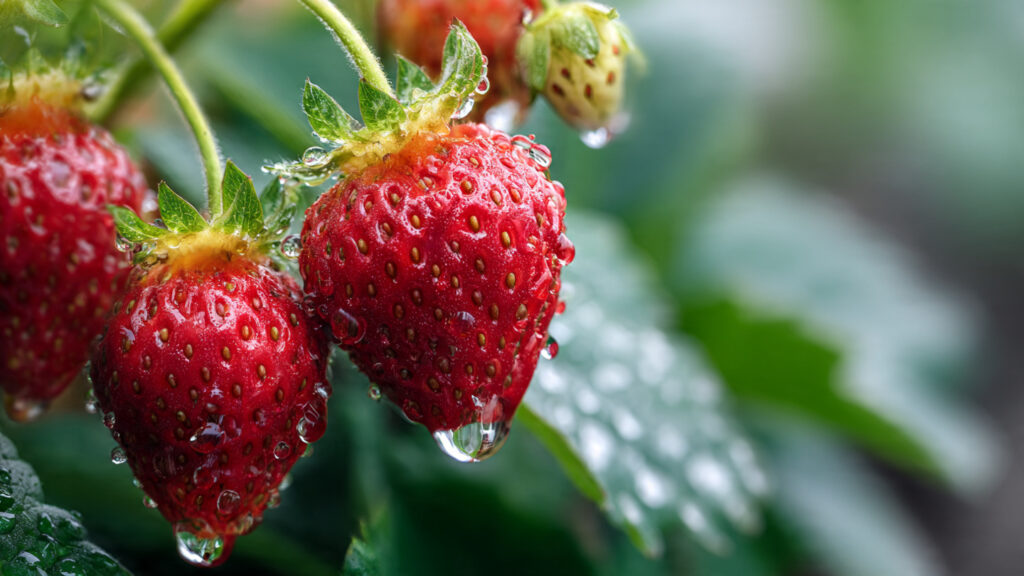
Strawberries are among the most beloved fruits in home gardens, prized for their sweetness, vibrant red color, and versatility in cooking and desserts. While strawberries thrive in spring and summer, their survival and productivity during winter require careful planning and attention. Without proper winter care, strawberry plants can suffer from frost damage, diseases, and reduced yields the following season. This guide will provide you with step-by-step instructions, tips, and little-known strategies to keep your strawberry plants healthy throughout the winter months and set them up for a bountiful harvest in spring.
1. Understanding Strawberry Dormancy
During winter, strawberry plants enter a dormant phase. Dormancy is a survival mechanism that helps the plants withstand cold temperatures by slowing their growth. While dormant, the plants are vulnerable to extreme cold, frost, and desiccation, so winter care focuses on protection rather than active growth.
Key points about strawberry dormancy:
- Most garden strawberry varieties (Fragaria × ananassa) are hardy and can survive temperatures as low as -20°F (-29°C) if properly protected.
- Dormant plants do not need fertilization but require protection from harsh weather, moisture extremes, and rodents.
- Winter care ensures strong crowns, healthy roots, and early spring growth.
2. Choosing the Right Strawberry Variety for Winter
Before winter care, it’s important to know your variety, as hardiness varies. Strawberries are typically categorized as:
- June-bearing: Produce one large crop in late spring or early summer.
- Everbearing: Produce two main crops, one in summer and one in fall.
- Day-neutral: Produce continuously during the growing season.
For winter survival, June-bearing varieties are generally more cold-hardy, while day-neutral and everbearing varieties may need extra protection in colder climates.
3. Preparing Strawberry Plants for Winter
Preparation is crucial before the first frost. Proper pre-winter care ensures your plants are strong enough to survive and thrive when spring arrives.
Step 1: Stop Fertilization
Fertilizing late in the season encourages new growth that will not harden off before winter. Stop fertilizing 6–8 weeks before the first expected frost.
Step 2: Remove Weeds and Debris
Clear weeds, dead leaves, and plant debris from the strawberry bed. Decaying plant matter can harbor pests and diseases that may infect plants over winter.
Step 3: Prune Dead or Diseased Leaves
Cut back old, brown, or damaged leaves. Healthy green leaves can stay attached for winter protection, but diseased or weak leaves should be removed to prevent fungal problems.
Step 4: Mulch for Insulation
Mulching is one of the most effective winter care techniques:
- Apply 3–4 inches of straw, pine needles, or shredded leaves around the base of the plants.
- Ensure the crowns (the central growing part) are slightly exposed to prevent rotting.
- Mulch helps insulate roots, prevent soil freezing, and protect from wind desiccation.
Step 5: Watering Before Frost
Water the plants thoroughly a few days before the first frost. Moist soil retains heat better than dry soil, helping to protect roots from freezing temperatures.
4. Protecting Strawberries from Extreme Cold
In regions with harsh winters, additional protective measures are necessary.
Cold Frames and Row Covers
- Use cold frames, low tunnels, or floating row covers to protect strawberries from extreme cold.
- Transparent row covers allow light penetration while keeping the temperature slightly higher than ambient.
- Secure covers tightly to prevent wind from lifting them.
Straw or Hay Tunnels
- For garden beds, mounding extra straw over plants can create a natural insulating tunnel.
- Ensure adequate airflow to prevent moisture accumulation, which can lead to fungal growth.
Containers and Potted Strawberries
- For strawberries grown in pots or containers, move them to a sheltered location, such as an unheated garage, shed, or greenhouse.
- Group pots together and mulch the top of the soil with straw for extra insulation.
Avoid Plastic Direct Contact
Direct plastic on plants can cause frost damage. Always place a layer of straw, cloth, or netting between plastic and plants to prevent freezing injuries.
5. Controlling Pests and Diseases in Winter
Even dormant strawberry plants can be affected by pests and diseases during winter. Proper care minimizes problems in spring.
Rodent Protection
- Mice and voles may burrow under mulch and eat crowns.
- Use hardware cloth or wire mesh around beds, or apply deterrents like peppermint oil-soaked cotton balls.
Fungal Disease Prevention
- Remove diseased leaves before winter.
- Avoid excessive moisture under mulch to prevent mold and crown rot.
- Ensure good air circulation around plants to reduce fungal growth.
Snow as a Natural Protector
- A layer of snow can act as an insulating blanket, keeping the temperature stable and protecting crowns from extreme cold.
- If your area receives little snow, consider using artificial insulation such as straw or row covers.
6. Caring for Strawberry Plants During Winter
Winter care is mostly about monitoring and minor interventions:
➡️ How to Grow Malabar Spinach from Cuttings for Fast, Easy Greens
➡️ How to Grow Super Delicious Cabbage at Home Without a Garden
➡️ How to Grow Bean Sprouts at Home in Plastic Bottles Easily (Step‑by‑Step Guide)
➡️ Why is Your Lemon Tree Blooming in the Heart of Winter?
➡️ Why Should Your Garden Have a Dedicated Pollinator Highway?
➡️ Why Do Your Fruit Trees Need a Winter Wash to Thrive in Spring?
➡️ How Can Rice Water Transform Your Fruits into Sweeter Delights?
➡️ Jumpstart Your Winter Garden: Seed Starting Under Lights
Checking Mulch and Soil
- Periodically check mulch levels, especially after heavy wind or rain, and replenish as needed.
- Ensure soil does not dry out completely. Water sparingly during dry winter periods if soil is overly dry.
Avoid Excess Handling
- Limit disturbance to plants during extreme cold to avoid damaging crowns or roots.
- Avoid fertilization, pruning, or heavy watering during freezing periods.
Spring Preparation Begins in Late Winter
- As temperatures rise, gradually remove mulch to allow soil warming and stimulate growth.
- Start planning for early spring fertilization and pest management to give plants a healthy start.
7. Common Mistakes to Avoid
Many gardeners unintentionally harm strawberry plants during winter. Avoid these common errors:
- Over-mulching: Too much mulch can trap moisture and cause crown rot.
- Excess water: Waterlogged soil can freeze and damage roots.
- Late pruning: Removing healthy leaves late in fall can expose crowns to cold injury.
- Ignoring pests: Rodents can destroy entire strawberry beds under the snow if preventive measures are not taken.
8. Fertilizing and Rejuvenating in Early Spring
Winter care sets the stage for spring growth. Once the risk of frost has passed:
- Apply a balanced fertilizer around the crowns to promote strong vegetative growth.
- Remove old mulch and weeds to allow sunlight and air circulation.
- Monitor for early signs of pests or fungal infections and treat promptly.
Proper winter care ensures that strawberry plants emerge from dormancy healthy, vigorous, and ready to produce large, sweet berries.
9. Special Tips for Container Strawberries
Container-grown strawberries require extra attention during winter because soil in pots is more prone to freezing:
- Move containers to a protected location, such as a cold frame, garage, or basement.
- Wrap pots with insulating materials such as bubble wrap or burlap to prevent soil freezing.
- Mulch the top of the soil and around crowns for added protection.
- Reduce watering during dormancy but ensure the soil does not dry out completely.
10. Summary of Key Winter Care Steps
- Stop fertilizing 6–8 weeks before frost.
- Remove weeds, dead leaves, and diseased plant material.
- Apply 3–4 inches of straw or other organic mulch, keeping crowns slightly exposed.
- Water thoroughly before frost to protect roots.
- Use row covers, cold frames, or tunnels in harsh climates.
- Monitor for rodents and fungal disease.
- Avoid disturbing plants unnecessarily.
- Prepare for early spring by gradually removing mulch and fertilizing.
By following these steps, strawberry plants will survive winter safely, resulting in stronger growth and higher yields in the next season.
Conclusion
Caring for strawberry plants in winter is not difficult but requires attention to detail and a few strategic practices. Proper dormancy preparation, insulation, pest protection, and minimal winter maintenance can make the difference between weak plants and a thriving spring harvest. Whether you grow strawberries in garden beds or containers, these winter care techniques ensure your plants survive cold months, stay healthy, and produce abundant, sweet berries for your enjoyment. With patience, planning, and consistent care, your strawberry plants will reward you with a bountiful harvest season after season.