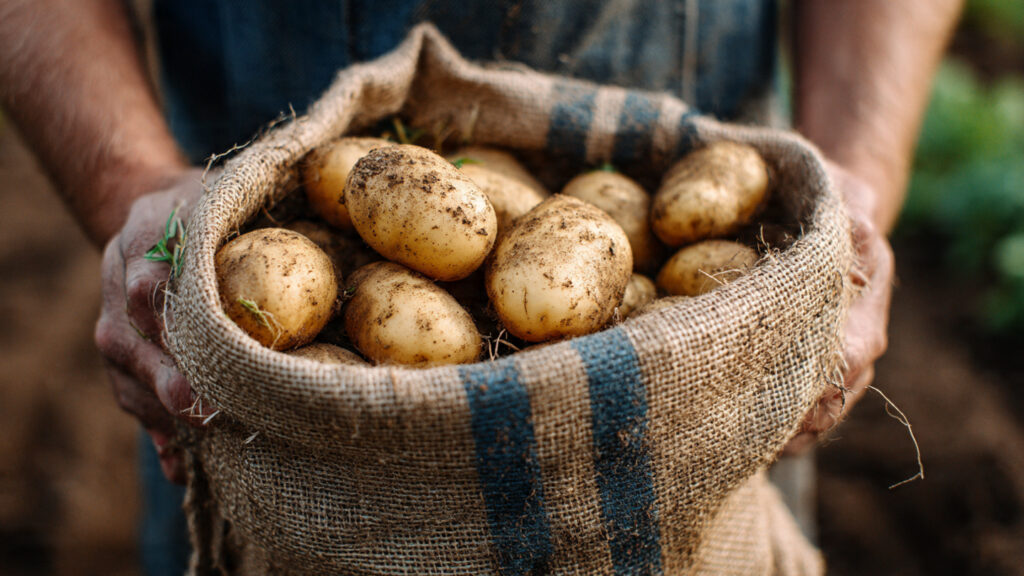
There’s something deeply satisfying about digging into the soil and uncovering your own homegrown potatoes. Whether you have a spacious backyard, a small terrace, or just a few containers on a balcony, potatoes are one of the easiest and most rewarding crops for beginners. With minimal equipment and a little patience, you can enjoy fresh, chemical-free potatoes straight from your garden.
In this complete beginner-friendly guide, you’ll learn everything you need to know to successfully grow potatoes at home—from selecting seed potatoes to harvesting a generous crop.
Why Grow Potatoes at Home?
Potatoes are one of the most versatile and widely consumed vegetables in the world. The plant, scientifically known as Solanum tuberosum, is surprisingly simple to cultivate.
Here’s why beginners love growing potatoes:
- Easy to plant and maintain
- Suitable for containers or garden beds
- High yield from small space
- Long storage life after harvest
- Great educational project for kids
Even if you’ve never grown vegetables before, potatoes are an excellent starting point.
Choosing the Right Seed Potatoes
The first step to success is choosing high-quality seed potatoes. These are small potatoes specifically grown for planting and are certified disease-free.
Avoid using supermarket potatoes, as they may be treated to prevent sprouting and could carry diseases.
Popular beginner-friendly varieties include:
- Early harvest types (ready in 70–90 days)
- Main-season varieties (higher yield, 100–120 days)
- Waxy potatoes (great for salads)
- Starchy potatoes (ideal for baking and mashing)
Visit a local nursery or trusted garden supplier to select a variety suited to your climate.
Preparing Seed Potatoes (Chitting)
Before planting, allow seed potatoes to sprout in a process called chitting.
How to Chit Potatoes:
- Place seed potatoes in a bright, cool area.
- Arrange them with the “eyes” facing upward.
- Allow sprouts to grow 1–2 cm long (about 2–3 weeks).
This step encourages faster growth and earlier harvest.
If potatoes are large, you can cut them into pieces, ensuring each piece has at least one healthy eye. Let cut pieces dry for 1–2 days before planting to prevent rot.
Choosing the Perfect Growing Location
Potatoes love sunlight. Select a spot that receives at least 6–8 hours of direct sun daily.
You can grow potatoes in:
- Garden beds
- Raised beds
- Grow bags
- Buckets
- Large containers
- Barrels
For containers, ensure good drainage holes at the bottom.
➡️ How to Grow Malabar Spinach from Cuttings for Fast, Easy Greens
➡️ How to Grow Super Delicious Cabbage at Home Without a Garden
➡️ How to Grow Bean Sprouts at Home in Plastic Bottles Easily (Step‑by‑Step Guide)
➡️ Why is Your Lemon Tree Blooming in the Heart of Winter?
➡️ Why Should Your Garden Have a Dedicated Pollinator Highway?
➡️ Why Do Your Fruit Trees Need a Winter Wash to Thrive in Spring?
➡️ How Can Rice Water Transform Your Fruits into Sweeter Delights?
➡️ Jumpstart Your Winter Garden: Seed Starting Under Lights
Preparing the Soil
Potatoes thrive in loose, well-draining soil. Heavy clay soil can cause poor growth and misshapen tubers.
Ideal soil conditions:
- Slightly acidic pH (5.5–6.5)
- Rich in organic matter
- Well aerated
Before planting, mix compost or well-rotted manure into the soil. Avoid excessive nitrogen fertilizer, which encourages leafy growth over tuber development.
Loose soil allows potatoes to expand easily underground.
Planting Potatoes Step-by-Step
In Garden Beds:
- Dig trenches about 10–15 cm deep.
- Space seed potatoes 30 cm apart.
- Keep rows about 60 cm apart.
- Cover lightly with soil.
In Containers:
- Add 10–15 cm of soil at the bottom.
- Place seed potatoes on top.
- Cover with soil.
- Continue adding soil as plants grow (explained below).
Water gently after planting.
The Secret to Bigger Harvests: Hilling
One of the most important steps in growing potatoes is hilling.
As potato plants grow and reach about 15–20 cm tall, mound soil around the base, covering the lower stems while leaving the top leaves exposed.
Repeat this process every 2–3 weeks.
Why Hilling Matters:
- Encourages more tuber formation
- Prevents potatoes from turning green (sun exposure causes greening)
- Improves yield
- Supports plant structure
In containers, simply add more soil or compost around the stems.
Watering and Care
Potatoes need consistent moisture, especially during tuber formation.
Watering tips:
- Keep soil evenly moist but not waterlogged
- Water deeply once or twice weekly
- Reduce watering once foliage starts to yellow
Uneven watering can cause cracked or misshapen potatoes.
Mulching with straw or dry leaves helps retain moisture and suppress weeds.
Fertilizing for Healthy Growth
While potatoes aren’t heavy feeders, they benefit from balanced nutrition.
Use:
- Compost
- Bone meal (for phosphorus)
- Balanced organic fertilizer
Avoid high-nitrogen fertilizers, which promote excessive leaf growth instead of tubers.
Feed lightly during early growth, then reduce once flowering begins.
Common Problems and Simple Solutions
1. Yellow Leaves
Often caused by overwatering or nutrient deficiency. Adjust watering and add compost if needed.
2. Pest Issues
Watch for aphids, beetles, and caterpillars. Remove pests manually or use organic neem oil spray.
3. Blight
Fungal diseases can affect foliage in humid conditions. Improve air circulation and avoid overhead watering.
Early detection prevents major crop loss.
When and How to Harvest
Potatoes are ready to harvest based on the variety you planted.
New Potatoes:
Harvest about 2–3 weeks after flowering for small, tender potatoes.
Mature Potatoes:
Wait until foliage turns yellow and dies back.
To harvest:
- Stop watering about 1–2 weeks before digging.
- Use a garden fork to gently loosen soil.
- Lift potatoes carefully to avoid damage.
Let harvested potatoes dry in a shaded area for a few hours before storage.
Storing Your Harvest
Proper storage ensures long-lasting potatoes.
- Keep in a cool, dark, well-ventilated place
- Ideal temperature: 7–10°C
- Avoid refrigeration (affects taste and texture)
- Store in breathable bags or baskets
Check periodically for spoilage.
Homegrown potatoes often last several months when stored correctly.
Growing Potatoes in Small Spaces
If you don’t have a garden, don’t worry.
Grow bags and containers work extremely well for potatoes. They:
- Require less space
- Are portable
- Allow easy harvesting
- Reduce soil-borne diseases
You can even grow potatoes on balconies or rooftops with enough sunlight.
Why Growing Potatoes Is So Rewarding
Few gardening experiences compare to harvesting your own potatoes. Unlike above-ground vegetables, potatoes grow hidden beneath the soil, making harvest day feel like a treasure hunt.
Additional benefits:
- Teaches patience and plant care
- Saves grocery money
- Produces chemical-free food
- Encourages sustainable living
- Fun for families and children
It’s gardening at its most satisfying.
Final Thoughts
Growing your own potatoes at home is easy, fun, and incredibly rewarding—even for beginners. With just a few seed potatoes, loose soil, and consistent care, you can produce a generous harvest in a small space.
From planting and hilling to harvesting and storing, each stage offers a hands-on gardening experience that connects you with your food.
If you’ve been thinking about starting a home garden, potatoes are one of the best crops to begin with. They’re forgiving, productive, and delicious.