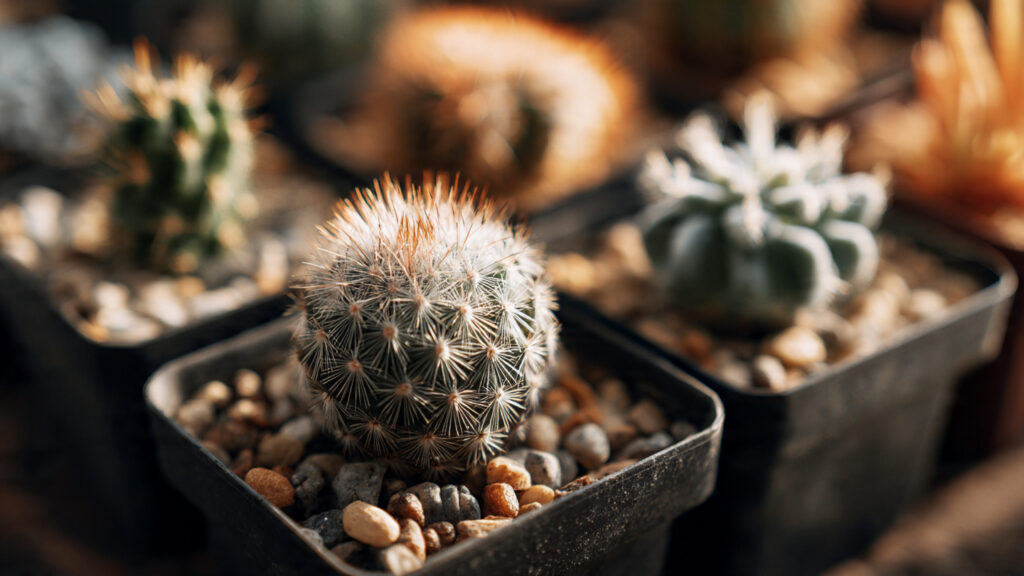
Growing cactus from seed is one of the most rewarding experiences for plant lovers. While many people purchase mature cactus plants from nurseries, starting from seed allows you to witness every stage of development — from tiny sprouts to mature, sculptural specimens. Although cactus plants have a reputation for being slow-growing and delicate in their early stages, with the right knowledge and care, anyone can grow them successfully at home.
Cacti belong to the family Cactaceae, a fascinating group of plants adapted to survive in arid and semi-arid environments. These resilient plants store water in their stems, thrive in well-draining soil, and require minimal maintenance once established. However, seed germination requires slightly different care compared to mature plants.
This complete beginner-to-expert guide will walk you through everything you need to know about growing cactus from seed — from preparation to long-term care.
Why Grow Cactus from Seed?
Growing cactus from seed offers several advantages:
- Access to rare or unusual varieties
- Lower cost compared to buying mature plants
- Stronger root systems
- Greater adaptability to your environment
- The satisfaction of nurturing plants from the very beginning
Many species, such as Carnegiea gigantea and Mammillaria, can be grown from seed with patience and proper care.
Step 1: Selecting Quality Seeds
Success begins with good seeds.
What to Look For:
- Fresh seeds (higher germination rate)
- Reliable seed suppliers
- Species suited to your climate or indoor setup
Some beginner-friendly cactus species include:
- Mammillaria
- Echinopsis
- Gymnocalycium
- Opuntia
Fresh seeds typically germinate within 1–3 weeks under proper conditions.
Step 2: Understanding the Ideal Growing Environment
Cactus seeds require warmth, light, and humidity to germinate — surprisingly different from the dry conditions mature plants prefer.
Ideal Germination Conditions:
- Temperature: 20–30°C (68–86°F)
- Bright, indirect light
- High humidity during early stages
Unlike adult cacti, seedlings thrive in slightly moist conditions.
Step 3: Preparing the Soil Mix
Soil preparation is one of the most critical steps.
Ideal Seed-Starting Mix:
- 50% fine cactus mix
- 25% perlite or pumice
- 25% fine sand
The mix must be:
- Well-draining
- Sterile
- Fine-textured
Sterilizing the soil (by heating it lightly in the oven) helps eliminate fungal spores that can damage delicate seedlings.
Step 4: Choosing the Right Container
Use shallow trays or small pots with drainage holes.
Container Tips:
- Plastic containers retain moisture better.
- Transparent lids help maintain humidity.
- Avoid deep pots at the germination stage.
Clean containers thoroughly before use to prevent disease.
➡️ How to Grow Malabar Spinach from Cuttings for Fast, Easy Greens
➡️ How to Grow Super Delicious Cabbage at Home Without a Garden
➡️ How to Grow Bean Sprouts at Home in Plastic Bottles Easily (Step‑by‑Step Guide)
➡️ Why is Your Lemon Tree Blooming in the Heart of Winter?
➡️ Why Should Your Garden Have a Dedicated Pollinator Highway?
➡️ Why Do Your Fruit Trees Need a Winter Wash to Thrive in Spring?
➡️ How Can Rice Water Transform Your Fruits into Sweeter Delights?
➡️ Jumpstart Your Winter Garden: Seed Starting Under Lights
Step 5: Sowing the Seeds
Cactus seeds are tiny, so careful handling is important.
How to Sow:
- Fill container with prepared soil.
- Lightly moisten the soil.
- Sprinkle seeds evenly on the surface.
- Do not bury them deeply — most cactus seeds require light to germinate.
- Press gently into soil surface.
Cover the container with a transparent lid or plastic wrap to create a greenhouse effect.
Step 6: Maintaining Proper Moisture
Humidity is crucial during germination.
Moisture Guidelines:
- Keep soil slightly moist, not soaked.
- Use a spray bottle for gentle watering.
- Avoid waterlogging.
Too much water can cause fungal problems, while too little will prevent germination.
Step 7: Providing Light
Place the container in bright, indirect light.
Avoid:
- Direct harsh sunlight
- Dark, poorly lit areas
Grow lights can be very helpful, especially in winter or low-light climates.
Seedlings are sensitive to intense sunlight and can burn easily.
Step 8: Germination Timeline
Most cactus seeds sprout within 1–3 weeks, though some species may take longer.
You’ll notice:
- Tiny green globules emerging
- Gradual development of small spines
At this stage, patience is key. Growth is slow but steady.
Step 9: Gradual Acclimatization
Once seedlings are established (after 4–8 weeks), begin reducing humidity gradually.
Steps:
- Open lid slightly for a few hours daily.
- Increase air exposure over time.
- Remove cover completely after several weeks.
This transition prepares seedlings for normal growing conditions.
Step 10: Watering Young Cactus Seedlings
Unlike mature cactus plants, seedlings require more frequent watering.
Watering Tips:
- Keep soil lightly moist during first few months.
- Allow slight drying between waterings.
- Never let soil remain soggy.
As seedlings grow stronger, gradually reduce watering frequency.
Step 11: Transplanting Seedlings
After 6–12 months, seedlings may be large enough to transplant.
Transplanting Tips:
- Use small individual pots.
- Handle gently to avoid root damage.
- Use well-draining cactus soil.
- Water lightly after transplanting.
Transplanting encourages stronger root systems and healthier growth.
Advanced Growing Tips (Expert Level)
Once you master the basics, consider these advanced techniques:
1. Fertilization
Use diluted cactus fertilizer during the growing season (spring and summer). Avoid over-fertilizing.
2. Seasonal Adjustments
Reduce watering in winter when growth slows.
3. Temperature Management
Many species benefit from cooler winter dormancy to promote flowering later.
4. Disease Prevention
Watch for damping-off disease in seedlings. Ensure proper ventilation and sterile soil.
Common Problems and Solutions
1. Fungal Growth
Cause: Excess moisture
Solution: Improve ventilation and reduce watering
2. Seedlings Turning Red
Cause: Too much sunlight
Solution: Move to indirect light
3. No Germination
Cause: Old seeds or incorrect temperature
Solution: Try fresh seeds and maintain warmth
How Long Until Maturity?
Cactus plants grow slowly. Some species may take:
- 2–3 years to reach noticeable size
- 5–10 years to flower
- Several decades for large desert species
For example, the Carnegiea gigantea can take many years to mature fully. However, smaller species like Mammillaria can flower within a few years under ideal conditions.
Indoor vs Outdoor Growing
Indoor Growing:
- Easier climate control
- Protection from heavy rain
- Requires sufficient light
Outdoor Growing:
- Best in warm, dry climates
- Needs protection from frost
- Requires well-draining soil
Choose based on your local climate.
Benefits of Growing Cactus from Seed
- Greater appreciation for plant life cycles
- Opportunity to grow rare varieties
- Long-lasting plants that require minimal care once mature
- A relaxing and educational hobby
Watching a tiny seed transform into a unique, sculptural plant is incredibly rewarding.
Final Thoughts
Growing cactus from seed may seem intimidating at first, but it is surprisingly manageable with proper preparation and patience. By selecting fresh seeds, preparing a sterile and well-draining soil mix, maintaining appropriate humidity, and gradually transitioning seedlings to normal conditions, you can successfully raise healthy cactus plants from scratch.
Whether you’re nurturing a small Mammillaria or dreaming of growing a towering saguaro, the journey from seed to maturity is both fascinating and fulfilling. With time, attention, and care, your cactus collection can thrive for decades — a living testament to your dedication and skill as a grower.