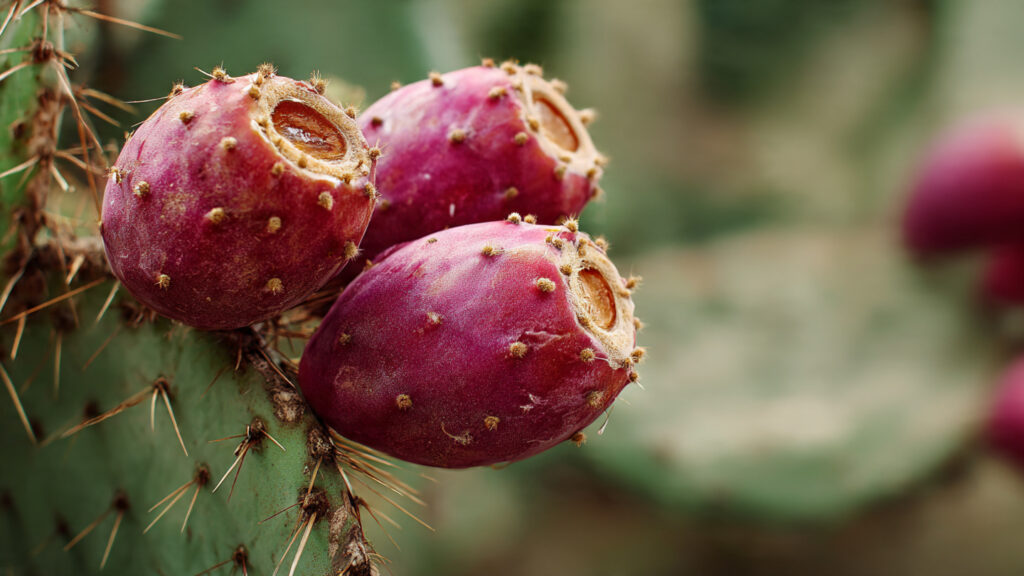
In the harsh landscapes of the desert, where survival depends on resilience and adaptation, one plant stands out not just for its endurance but also for its delicious reward. The fruit of the cactus—commonly known as prickly pear—is a vibrant, nutrient-rich delicacy that has been enjoyed for centuries. Harvested from species of the genus Opuntia, this colorful fruit offers a refreshing sweetness with subtle floral notes, making it one of nature’s most surprising treats.
Whether you’ve spotted it at a local market or growing wild in arid regions, learning how to properly prepare and enjoy cactus fruit opens the door to a unique culinary experience. Let’s explore how to safely handle, prepare, and savor this desert treasure.
What Is Cactus Fruit?
Cactus fruit, often called prickly pear, comes from the paddle-shaped cactus plant widely cultivated in desert and semi-arid climates. The most common species used for fruit production is Opuntia ficus-indica.
The fruit typically appears in late summer and fall. It has:
- Bright red, purple, orange, or yellow skin
- Tiny hair-like spines called glochids
- Juicy pulp filled with small edible seeds
- A sweet flavor similar to watermelon mixed with berry
Despite its intimidating exterior, cactus fruit is surprisingly easy to prepare once you know the right technique.
Nutritional Benefits of Cactus Fruit
Cactus fruit is not just tasty—it’s packed with nutrients. It contains:
- Vitamin C
- Antioxidants
- Fiber
- Magnesium
- Potassium
- Natural sugars
Its antioxidant content helps fight oxidative stress, while fiber supports digestive health. Many cultures have traditionally used cactus fruit to support hydration and overall wellness in hot climates.
Harvesting Cactus Fruit Safely
If you’re harvesting directly from a cactus plant, safety is essential.
What You’ll Need:
- Thick gloves
- Tongs
- A sharp knife
- A container
Steps:
- Wear protective gloves to avoid contact with spines.
- Use tongs to grip the fruit firmly.
- Twist gently until it detaches from the cactus pad.
- Place it carefully in a container.
Never touch cactus fruit with bare hands before removing the tiny spines. Even small glochids can irritate skin.
If purchasing from a market, many vendors pre-clean the fruit—but it’s still wise to handle carefully.
Removing the Spines
Even after harvesting, the fruit often has tiny spines that must be removed.
Method 1: Rinse and Scrub
- Rinse under running water.
- Use a vegetable brush to gently scrub the surface.
Method 2: Flame Technique
- Carefully pass the fruit over a low flame to burn off spines.
- Rotate evenly to avoid damaging the flesh.
After removing spines, rinse again to ensure cleanliness.
How to Peel Cactus Fruit
Peeling is simple once the fruit is spine-free.
- Cut off both ends of the fruit.
- Make a shallow vertical slit along the skin.
- Insert your fingers into the slit.
- Peel back the thick outer skin.
The inner flesh should separate easily. The peel is not typically eaten.
What Does Cactus Fruit Taste Like?
Cactus fruit offers a mildly sweet flavor with subtle floral and berry undertones. Its texture is juicy and refreshing, making it perfect for hot weather.
➡️ How to Grow Malabar Spinach from Cuttings for Fast, Easy Greens
➡️ How to Grow Super Delicious Cabbage at Home Without a Garden
➡️ How to Grow Bean Sprouts at Home in Plastic Bottles Easily (Step‑by‑Step Guide)
➡️ Why is Your Lemon Tree Blooming in the Heart of Winter?
➡️ Why Should Your Garden Have a Dedicated Pollinator Highway?
➡️ Why Do Your Fruit Trees Need a Winter Wash to Thrive in Spring?
➡️ How Can Rice Water Transform Your Fruits into Sweeter Delights?
➡️ Jumpstart Your Winter Garden: Seed Starting Under Lights
The tiny seeds inside are edible, though some people prefer to strain them out when making juice.
Delicious Ways to Enjoy Cactus Fruit
Cactus fruit is incredibly versatile. Here are some popular ways to enjoy it.
1. Eat It Fresh
After peeling, slice the fruit into rounds or cubes and serve chilled. This is the simplest and most refreshing way to enjoy its natural flavor.
2. Make Cactus Fruit Juice
Blend peeled fruit until smooth, then strain through a fine mesh sieve to remove seeds.
You can:
- Drink it fresh
- Add lemon for tang
- Sweeten lightly if desired
- Mix with sparkling water for a refreshing beverage
The juice has a beautiful ruby color that makes it visually stunning.
3. Prepare Cactus Fruit Jam
Cactus fruit makes excellent jam.
Basic steps:
- Mash peeled fruit
- Strain seeds
- Cook with sugar and lemon juice
- Simmer until thick
Spread on toast or use as dessert filling.
4. Add to Salads
Dice fresh cactus fruit and add to fruit salads or green salads for a sweet, vibrant touch.
It pairs well with:
- Citrus
- Mint
- Cucumber
- Feta cheese
5. Freeze into Popsicles
Blend cactus fruit with a bit of lime juice and freeze in molds for naturally colorful popsicles.
6. Use in Desserts
Cactus fruit can be added to:
- Sorbets
- Smoothies
- Yogurt bowls
- Cheesecake toppings
Its bright hue makes any dessert visually appealing.
Storing Cactus Fruit
Fresh cactus fruit can be stored in the refrigerator for up to one week.
Tips:
- Keep unpeeled fruit in a breathable container.
- Store peeled fruit in an airtight container.
- Freeze pulp for long-term storage.
Frozen cactus fruit works well for smoothies and sauces.
Growing Your Own Cactus Fruit
If you live in a warm climate, you can grow your own prickly pear cactus.
Requirements:
- Full sun
- Well-draining sandy soil
- Minimal watering
- Warm temperatures
Cactus plants are drought-tolerant and relatively low maintenance. Once established, they produce fruit annually.
Health Precautions
While cactus fruit is generally safe, consider the following:
- Avoid touching spines directly.
- Eat in moderation due to natural sugar content.
- Strain seeds if you have digestive sensitivity.
Some people may notice a temporary change in urine color after eating large amounts of deeply colored fruit—this is harmless and due to natural pigments.
Cultural Significance of Cactus Fruit
Cactus fruit has been enjoyed for centuries in regions such as Mexico, the Mediterranean, and parts of Africa. In Mexico, prickly pear—known as “tuna”—is a staple fruit used in beverages, candies, and traditional dishes.
Beyond food, cactus plants symbolize resilience, endurance, and adaptability—qualities reflected in the fruit’s ability to thrive in extreme environments.
Why Cactus Fruit Deserves More Attention
In a world increasingly focused on sustainable food sources, cactus fruit offers several advantages:
- Grows in arid conditions
- Requires minimal water
- Highly nutritious
- Naturally pest-resistant
- Environmentally sustainable
As climate patterns shift, crops like prickly pear cactus may become even more valuable in supporting food security.
Final Thoughts
Unlocking nature’s desert treat is easier than it looks. With proper handling and simple preparation, cactus fruit transforms from a spiny curiosity into a refreshing, nutrient-rich delight. Whether eaten fresh, blended into juice, or turned into jam, it offers a unique flavor and vibrant color that stands out in any kitchen.
From the resilient pads of Opuntia comes a fruit that captures the essence of the desert—bright, bold, and unexpectedly sweet. If you’ve never tried cactus fruit before, now is the perfect time to experience this remarkable gift from nature.