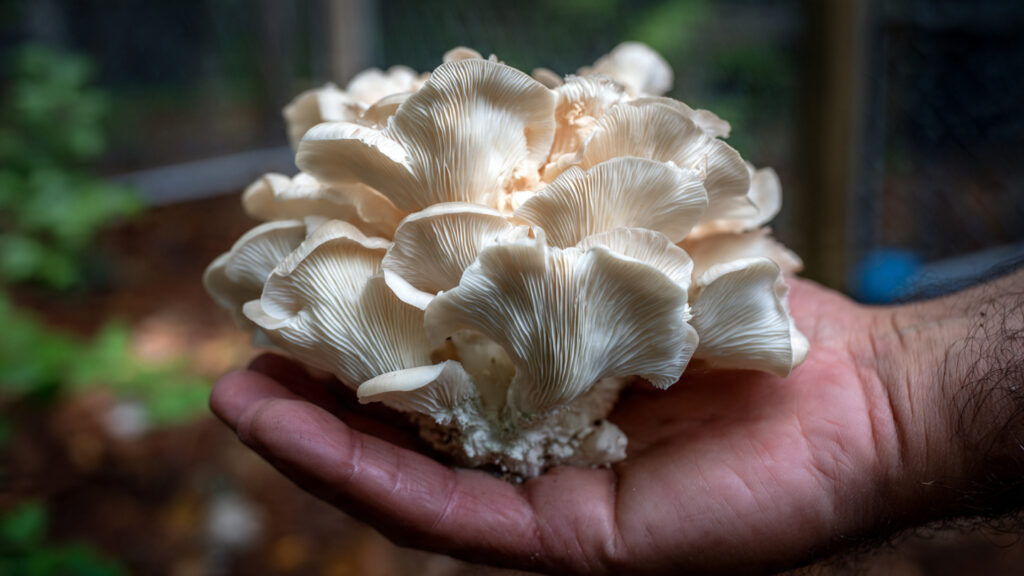
Mushroom cultivation has been practiced for centuries using simple, natural techniques that require minimal equipment and deliver dependable results. Long before modern grow kits and climate-controlled rooms, farmers and households successfully grew mushrooms using straw, compost, logs, and shaded spaces. If you’re interested in producing fresh mushrooms at home using time-tested approaches, this guide will walk you through traditional, easy methods that lead to quick and reliable harvests.
Whether you want to grow them in your backyard, shed, or even indoors, traditional mushroom growing is accessible, affordable, and surprisingly simple.
Understanding How Mushrooms Grow
Unlike plants, mushrooms are fungi. They don’t grow from seeds and don’t require sunlight to produce food. Instead, they grow from spawn, which is similar to seedlings in plant gardening. Spawn contains living mycelium—the root-like network that spreads through organic material and eventually produces mushrooms.
To grow mushrooms successfully, you need three key elements:
- Suitable growing material (called substrate)
- Proper moisture
- A cool, shaded environment
Traditional methods rely on natural materials like straw, manure compost, or hardwood logs.
Choosing the Right Mushroom Variety
Traditional growing methods work best with beginner-friendly mushroom types such as:
- Oyster mushrooms
- Button mushrooms
- Milky mushrooms
- Shiitake mushrooms
Oyster mushrooms are especially recommended for beginners because they grow quickly and adapt well to various substrates.
Method 1: Growing Mushrooms on Straw (Traditional Farm Method)
One of the most widely used traditional methods involves straw. This method is simple, affordable, and ideal for quick harvests.
Step 1: Prepare the Straw
- Use clean wheat or paddy straw.
- Chop into small pieces (2–3 inches).
- Soak in water for 8–12 hours.
- Drain excess water.
Some traditional growers pasteurize straw by pouring hot water over it and letting it cool. This reduces unwanted bacteria and mold.
Step 2: Layering the Spawn
- Place a layer of straw inside a container, basket, or plastic bag.
- Sprinkle mushroom spawn evenly.
- Add another layer of straw.
- Repeat layering until the container is full.
Tie or cover loosely to allow some airflow.
Step 3: Incubation
Store the container in a dark, cool space with good ventilation. Ideal temperature ranges from 20–30°C (68–86°F), depending on the mushroom type.
Within 5–10 days, you’ll notice white mycelium spreading through the straw.
Step 4: Fruiting Stage
Once the straw is fully covered with white growth:
- Move the container to a slightly brighter but still shaded area.
- Mist lightly with water daily.
- Maintain humidity.
Small mushroom pins will appear within a few days.
Harvest Time
Most straw-grown mushrooms are ready to harvest within 3–4 weeks from planting. Simply twist gently at the base to remove mature mushrooms.
➡️ How to Grow Malabar Spinach from Cuttings for Fast, Easy Greens
➡️ How to Grow Super Delicious Cabbage at Home Without a Garden
➡️ How to Grow Bean Sprouts at Home in Plastic Bottles Easily (Step‑by‑Step Guide)
➡️ Why is Your Lemon Tree Blooming in the Heart of Winter?
➡️ Why Should Your Garden Have a Dedicated Pollinator Highway?
➡️ Why Do Your Fruit Trees Need a Winter Wash to Thrive in Spring?
➡️ How Can Rice Water Transform Your Fruits into Sweeter Delights?
➡️ Jumpstart Your Winter Garden: Seed Starting Under Lights
This method often produces multiple flushes (harvest cycles) from one batch.
Method 2: Traditional Compost Bed Method (Button Mushrooms)
Button mushrooms have traditionally been grown in compost beds.
Preparing Compost
Traditional compost often includes:
- Well-rotted cow manure
- Straw
- Garden waste
The compost must decompose fully before use.
Planting Spawn
- Fill trays or shallow beds with compost.
- Spread spawn evenly.
- Cover lightly with compost.
Keep the bed in a cool, dark area.
Casing Layer
After 10–14 days, apply a thin layer of moist soil or peat on top. This casing layer helps trigger mushroom formation.
Harvesting
Button mushrooms typically appear within 3–4 weeks. Harvest when caps are still firm and closed for best flavor.
Method 3: Log Growing (Traditional Forest Method)
For those with outdoor space, log cultivation is a centuries-old technique used especially for shiitake mushrooms.
Steps:
- Cut fresh hardwood logs (oak or similar).
- Drill small holes in the log.
- Insert spawn plugs.
- Seal holes with wax.
- Store logs in a shaded, moist area.
Logs may take several months to produce, but they can continue fruiting for years.
Maintaining Proper Conditions
Traditional mushroom growing depends heavily on environment.
Temperature
Most mushrooms grow best between 18–28°C (64–82°F).
Humidity
High humidity is essential. Mist lightly but avoid soaking.
Air Circulation
Stagnant air encourages mold. Ensure gentle airflow.
Light
Indirect light is enough. Mushrooms do not need full sunlight.
Why Traditional Methods Work So Well
Traditional mushroom growing succeeds because it mimics nature. Mushrooms naturally grow on decaying organic matter in shaded, moist environments. By recreating these conditions using straw, compost, or logs, you provide exactly what they need.
These methods are:
- Low cost
- Simple
- Sustainable
- Reliable
They do not require advanced technology or expensive equipment.
Preventing Common Problems
Even with simple methods, beginners may encounter issues.
Mold Growth
- Use clean materials.
- Avoid excessive moisture.
- Ensure ventilation.
Slow Growth
- Check temperature.
- Ensure spawn is fresh.
Small Harvest
- Maintain humidity.
- Avoid overcrowding spawn.
Proper hygiene and balanced moisture are key.
Harvesting and Storing Mushrooms
Harvest mushrooms when caps are fully formed but not over-opened.
- Twist gently instead of pulling forcefully.
- Store in a paper bag in the refrigerator.
- Use within 5–7 days for best freshness.
Fresh mushrooms taste significantly better than store-bought ones.
Benefits of Growing Mushrooms Traditionally
Growing mushrooms at home offers many advantages:
- Fresh, chemical-free produce
- Quick harvest cycles
- High nutritional value
- Minimal space required
- Sustainable recycling of organic waste
Mushrooms are rich in protein, fiber, vitamins, and minerals, making them a healthy addition to meals.
How Fast Can You Expect Results?
Traditional straw methods can yield mushrooms in as little as 3–4 weeks. Some oyster varieties produce even faster under ideal conditions.
Compost methods may take slightly longer but offer reliable production.
Log methods take patience but provide long-term yields.
Expanding Your Production
Once you gain confidence, you can scale up easily:
- Increase the number of straw bags.
- Use multiple trays of compost.
- Add more inoculated logs outdoors.
Because traditional methods are inexpensive, expansion requires minimal investment.
Final Thoughts
Growing mushrooms the traditional way proves that simple methods often produce the most satisfying results. With straw, compost, or logs—and a little patience—you can enjoy quick, reliable harvests without complicated tools or high costs.
These time-tested techniques have supported communities for generations and continue to offer an accessible way for beginners to enter mushroom cultivation. Whether you grow oyster mushrooms in straw bags or cultivate shiitake on hardwood logs, traditional methods connect you to natural processes while delivering fresh, delicious food.