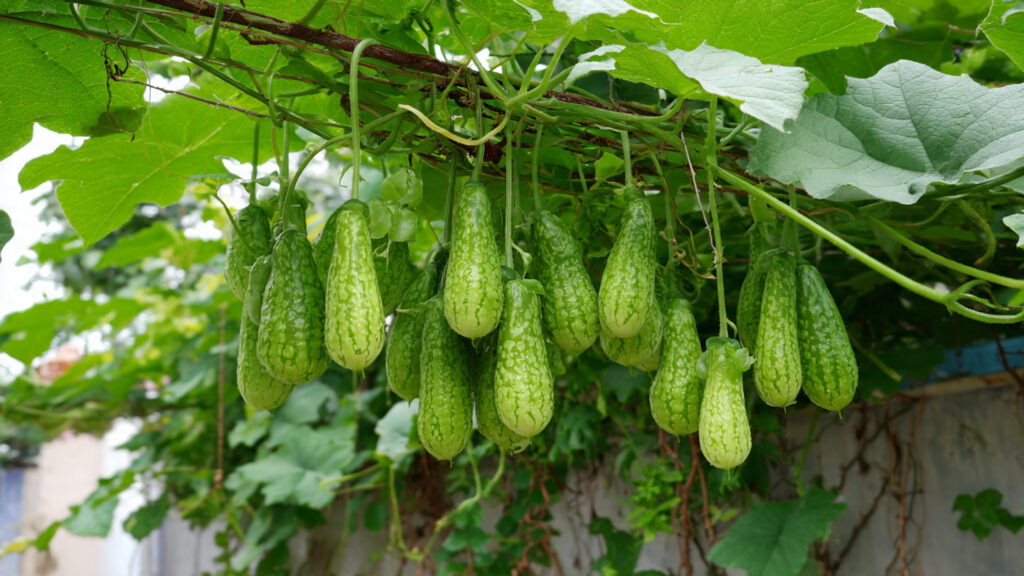
Bitter gourd, also known as bitter melon or Momordica charantia, is a nutrient-rich, medicinal vegetable that has been cherished in traditional diets for centuries. Known for its distinctive bitter taste and health benefits, including blood sugar regulation and antioxidant properties, bitter gourd is a versatile vegetable to grow at home. With the right techniques, even a small balcony, patio, or backyard can yield a thriving, productive plant.
This guide will take you step by step through selecting seeds, preparing your space, planting, nurturing, and harvesting a healthy homegrown bitter gourd, ensuring maximum yield with minimal effort.
Why Grow Bitter Gourd at Home?
Growing bitter gourd at home has multiple advantages:
- Freshness and flavor: Harvest ripe fruits directly from the vine for optimal taste.
- Nutritional value: Homegrown vegetables retain more nutrients than store-bought produce.
- Pesticide control: You can grow organically, avoiding harmful chemicals.
- Cost-effective: Home cultivation reduces grocery costs and provides continuous supply.
- Therapeutic benefits: Bitter gourd is known to aid digestion, lower blood sugar, and support overall health.
Selecting the Right Variety
There are several varieties of bitter gourd, and your choice will depend on space, climate, and taste preference.
Common Varieties
- Long Green Bitter Gourd: Popular in Indian and Asian cuisines; produces long, thin fruits.
- Small Round Bitter Gourd: Compact fruits, ideal for pickling and stir-fries.
- Hybrid Varieties: High-yielding, disease-resistant options for consistent harvests.
Choose seeds suited to your climate. Shorter, bushy varieties are excellent for containers, while traditional climbing types work best in open gardens with trellises.
Preparing the Growing Space
Bitter gourd is a climbing vine and requires space and support for optimal growth.
Soil Requirements
- Well-draining, fertile soil rich in organic matter
- pH range: 6.0–6.7 (slightly acidic to neutral)
- Add compost or well-rotted manure to improve fertility
Sunlight
- Full sun exposure: 6–8 hours per day
- Maximum sunlight ensures vigorous growth and better fruit production
Support Structures
- Trellis or vertical support for climbing vines
- Strong bamboo sticks, netting, or wire mesh
- Vertical growth improves airflow, reduces disease, and makes harvesting easier
Starting Bitter Gourd from Seeds
Bitter gourd seeds are hardy and germinate easily if conditions are right.
Seed Preparation
- Soak seeds in water for 24 hours to soften the hard coat
- Optionally, nick the seed coat lightly to encourage faster germination
Germination
- Plant seeds 1–2 inches deep in seedling trays or small pots
- Maintain warm soil temperatures around 25–30°C (77–86°F)
- Germination occurs within 7–10 days
Transplanting Seedlings
When seedlings develop 2–3 true leaves:
- Harden off seedlings by gradually exposing them to outdoor conditions over a week.
- Transplant to garden beds or larger containers with fertile soil.
- Maintain spacing: 2–3 feet between plants for climbing varieties, 1–1.5 feet for bushy types.
Planting in rows with trellis support allows vines to climb and fruits to hang freely, preventing rot and maximizing air circulation.
Watering and Moisture Management
Bitter gourd requires consistent moisture for flowering and fruiting.
- Keep soil evenly moist but avoid waterlogging
- Water deeply every 2–3 days during dry spells
- Mulch around the base to retain moisture and suppress weeds
Proper water management prevents fruit cracking and supports continuous production.
Nutrition and Fertilization
Healthy nutrition directly affects fruit size, quantity, and plant vigor.
Pre-Flowering Stage
- Apply compost or well-rotted manure
- Use balanced NPK fertilizers (10-10-10) to encourage vegetative growth
Flowering and Fruiting Stage
- Increase potassium and phosphorus to boost fruit formation
- Organic options: banana peel slurry, wood ash, or bone meal
- Avoid excessive nitrogen during fruiting; too much nitrogen leads to leafy growth instead of flowers
Foliar sprays of micronutrients (magnesium, zinc, and iron) can prevent yellowing and promote stronger fruit development.
Supporting Healthy Vines
Bitter gourd vines need guidance and care:
- Tie vines gently to trellis as they grow
- Regular pruning: remove weak, yellow, or crowded leaves to improve airflow
- Pinch growing tips in bush varieties to encourage lateral branching and more flowering sites
A well-maintained vine produces larger, healthier fruits and reduces disease risk.
➡️ How to Grow Malabar Spinach from Cuttings for Fast, Easy Greens
➡️ How to Grow Super Delicious Cabbage at Home Without a Garden
➡️ How to Grow Bean Sprouts at Home in Plastic Bottles Easily (Step‑by‑Step Guide)
➡️ Why is Your Lemon Tree Blooming in the Heart of Winter?
➡️ Why Should Your Garden Have a Dedicated Pollinator Highway?
➡️ Why Do Your Fruit Trees Need a Winter Wash to Thrive in Spring?
➡️ How Can Rice Water Transform Your Fruits into Sweeter Delights?
➡️ Jumpstart Your Winter Garden: Seed Starting Under Lights
Pest and Disease Management
Common pests:
- Aphids
- Fruit flies
- Red pumpkin beetle
- Spider mites
Natural control methods:
- Neem oil or insecticidal soap
- Companion planting with marigold or basil to deter pests
- Manual removal of affected leaves and fruits
Common diseases:
- Powdery mildew
- Downy mildew
- Fusarium wilt
Preventive measures:
- Good spacing and airflow
- Avoid overhead watering
- Rotate crops and maintain healthy soil
Flowering and Pollination
Bitter gourd produces both male and female flowers.
- Male flowers appear first, followed by female flowers
- Female flowers produce the fruit after pollination
- Pollinators (bees, butterflies) play a key role
If pollination is low, hand-pollinate using a small brush to transfer pollen from male to female flowers. This significantly improves fruit set.
Harvesting Bitter Gourd
Timing is crucial for the best taste and nutrition.
- Harvest fruits when they are green, firm, and have developed characteristic warts or ridges
- Avoid overripe fruits; they become bitterer and harder in texture
- Use a sharp knife or scissors to cut fruits, leaving a small stem attached to prevent damage
Frequent harvesting encourages new flowering and fruiting, extending the harvest season.
Extending the Growing Season
Bitter gourd is sensitive to frost and prolonged cold.
- Grow in containers to move indoors during cooler months
- Use row covers or shade nets during extreme heat
- Mulching helps maintain soil temperature and moisture
In tropical climates, bitter gourd can produce continuously for several months with proper care.
Tips for Bigger, Healthier Fruits
- Ensure full sunlight exposure
- Maintain consistent moisture and fertile soil
- Support vines vertically for healthy airflow
- Hand-pollinate if natural pollination is low
- Remove small, malformed fruits to direct energy to stronger fruits
Following these tips results in larger, more flavorful bitter gourds with higher nutritional content.
Companion Planting Ideas
Companion planting can improve yield and reduce pests:
- Marigold: Repels nematodes and insects
- Basil: Deters pests
- Radish: Acts as a trap crop for aphids
Avoid planting bitter gourd near crops susceptible to the same pests, such as cucumbers and pumpkins, to prevent disease spread.
Conclusion
Growing bitter gourd at home is not only rewarding but also surprisingly simple with the right approach. From seed selection to trellis support, balanced nutrition, pest management, and proper harvesting, every step plays a role in creating a thriving, high-yielding plant.
Whether you have a small balcony, rooftop garden, or backyard, following these steps ensures that your bitter gourd vines flourish, producing fresh, nutritious fruits throughout the season. The magic of homegrown bitter gourd lies not only in its health benefits and unique flavor but also in the satisfaction of nurturing a plant from seed to harvest.
By implementing these practical tips and techniques, you can transform your garden into a haven of homegrown bitter gourd — healthy, productive, and full of life.