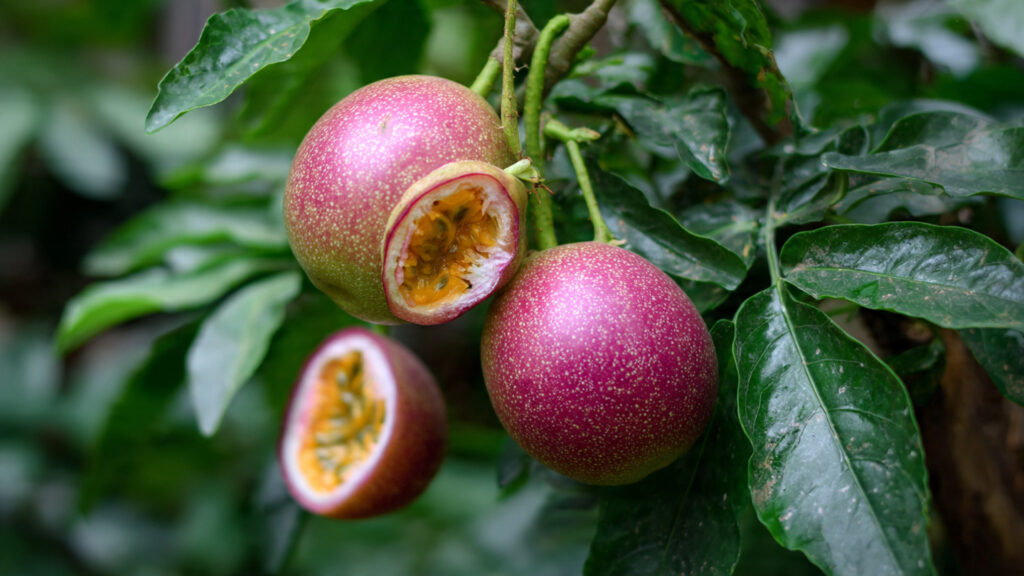
Passion fruit, with its fragrant aroma and tangy-sweet flavor, is not only a delicious fruit but also a visually appealing vine that can transform any garden or backyard. Growing passion fruit successfully requires more than planting the vine—it needs a strong, well-designed support structure to thrive. Passion fruit plants are vigorous climbers and can quickly overwhelm weak supports, leading to reduced fruit production or even plant damage. This complete guide walks you through creating the perfect structure for growing passion fruit, ensuring healthy growth, abundant harvests, and a thriving garden.
1. Understanding the Growth Habit of Passion Fruit
Passion fruit vines (Passiflora edulis) are fast-growing, perennial climbers that can reach up to 30 feet in length under optimal conditions. They produce tendrils that wrap around any nearby structure, which makes a strong support system essential. Without adequate support, the vine may sprawl on the ground, making it prone to disease, pests, and fruit rot.
Passion fruit thrives in tropical and subtropical climates but can also grow in cooler regions if protected from frost. The plant prefers full sun for at least six hours a day, well-draining soil, and regular watering. Understanding the growth habit is the first step in planning a structure that can sustain the vine’s weight and growth.
2. Choosing the Right Location
Before building a structure, select a suitable location. Passion fruit vines need:
- Full Sun: Ensure the site receives at least 6–8 hours of direct sunlight daily.
- Good Air Circulation: Proper airflow reduces the risk of fungal infections and keeps foliage healthy.
- Drainage: Avoid waterlogged areas; passion fruit prefers slightly acidic, well-drained soil.
- Accessibility: The structure should be easy to reach for pruning, harvesting, and maintenance.
By choosing an ideal location, you reduce potential problems and set the stage for a productive vine.
3. Selecting the Best Type of Support Structure
Passion fruit requires a strong, durable support because the vine can become heavy with fruit. There are several structure options:
a) Trellis
A trellis is a vertical framework made of wood, metal, or wire mesh. It is ideal for small spaces and allows vines to climb vertically. Trellises should be sturdy enough to support mature vines and spaced at least 8–10 feet apart to allow for air circulation.
b) Arch or Pergola
For decorative gardens, an arch or pergola creates a stunning visual effect. Passion fruit vines drape beautifully over the curved structure, producing both flowers and fruits along the way. Use treated wood or metal for durability and ensure posts are firmly anchored.
c) Fence or Wire Support
For larger areas, vines can be trained along fences or wires. Stretch strong, rust-resistant wires horizontally between posts every 12–18 inches, giving the vine ample grip. This method is ideal for maximizing vertical space and producing higher yields.
d) Stakes or Poles
In smaller gardens or container setups, tall stakes or poles can be used. Single-stemmed vines can be trained around the pole, but stakes must be thick and durable to handle the vine’s weight and wind pressure.
4. Materials Needed for a Passion Fruit Structure
Creating a strong support structure requires durable materials:
- Posts: Wooden, metal, or treated bamboo poles, preferably 8–10 feet tall.
- Wire or Trellis Netting: Galvanized or coated wire resists rust; trellis mesh provides more attachment points.
- Fasteners: Nails, screws, or strong ties to secure wires and netting.
- Concrete (Optional): For extra stability, posts can be set in concrete.
- Ties or Clips: Soft garden ties prevent damage to the vine while securing it to the structure.
Selecting long-lasting materials ensures your passion fruit vine can flourish for years without structural failure.
5. Building a Basic Trellis Structure
Here is a step-by-step guide to building a sturdy trellis for passion fruit:
- Mark the Planting Row: Choose a straight line and mark positions for posts every 8–10 feet.
- Install Posts: Dig holes about 2 feet deep for each post and set them in concrete or firmly compacted soil. Posts should extend at least 6–8 feet above ground.
- Attach Horizontal Wires: Stretch galvanized wire horizontally between posts at multiple levels (e.g., 1.5 ft, 3 ft, 5 ft). Tighten the wires to prevent sagging.
- Check Stability: Make sure the posts are secure and wires are taut. The trellis must withstand the vine’s weight and seasonal wind pressure.
- Plant the Vine: Place the passion fruit vine at the base of the trellis and gently guide tendrils toward the wires.
By building a strong trellis, you provide the vine with the structure it needs to grow vertically and remain healthy.
6. Training and Pruning the Vine
Once your structure is ready, training the vine is crucial:
➡️ How to Grow Malabar Spinach from Cuttings for Fast, Easy Greens
➡️ How to Grow Super Delicious Cabbage at Home Without a Garden
➡️ How to Grow Bean Sprouts at Home in Plastic Bottles Easily (Step‑by‑Step Guide)
➡️ Why is Your Lemon Tree Blooming in the Heart of Winter?
➡️ Why Should Your Garden Have a Dedicated Pollinator Highway?
➡️ Why Do Your Fruit Trees Need a Winter Wash to Thrive in Spring?
➡️ How Can Rice Water Transform Your Fruits into Sweeter Delights?
➡️ Jumpstart Your Winter Garden: Seed Starting Under Lights
- Guide Young Vines: Gently wrap tendrils around wires or trellis mesh as the vine grows.
- Prune Regularly: Remove dead, weak, or overcrowded branches to improve airflow and sunlight penetration.
- Encourage Fruiting: Pinch back growing tips to stimulate lateral branching, which produces more flowers and fruits.
Proper training and pruning prevent the vine from becoming tangled and ensure maximum fruit production.
7. Watering and Fertilizing Near the Structure
A well-designed structure is only as effective as the care given to the vine:
- Watering: Deep, regular watering encourages strong root growth. Avoid wetting the leaves excessively, which can lead to fungal issues.
- Fertilization: Passion fruit benefits from balanced fertilization. Use a combination of compost, organic manure, and a complete NPK fertilizer every 6–8 weeks during the growing season.
- Mulching: Apply mulch around the base to retain moisture, regulate soil temperature, and reduce weed growth.
Healthy soil and consistent care ensure that your vine fully utilizes the support structure for maximum growth.
8. Pest and Disease Management
Vines on a well-constructed structure are easier to monitor for pests and diseases. Common issues include:
- Aphids and Mealybugs: Spray with neem oil or soapy water.
- Fungal Infections: Ensure good airflow and prune affected leaves.
- Fruit Flies: Use traps or netting to protect developing fruit.
Regular inspection and early intervention keep your passion fruit vine healthy and productive.
9. Harvesting and Maintenance
Passion fruit typically starts producing fruit within 12–18 months of planting. On a structured vine:
- Fruits hang freely, reducing contact with soil and minimizing rot.
- Harvest fruits when they are fully colored and slightly wrinkled for best flavor.
- Continue to guide new growth along the structure, removing excessive shoots to prevent overcrowding.
A well-maintained vine with a strong support structure can produce abundant fruit for many years.
10. Creative Ideas for Small Spaces
Even if you have a small garden or balcony, you can grow passion fruit:
- Vertical Garden: Use trellises or wall-mounted supports to maximize vertical space.
- Containers: Plant in large, deep containers with a sturdy stake or mini trellis.
- Decorative Arches: Passion fruit can be grown over small garden arches to create a living canopy.
With the right structure and training, passion fruit can thrive in almost any environment.
Conclusion
Creating a structure to grow passion fruit is not just about supporting a vine—it is about enabling healthy growth, maximizing fruit production, and ensuring a long-lasting, beautiful plant in your garden. By understanding the vine’s growth habit, choosing a sunny location, selecting the right structure, and providing consistent care, you can enjoy a bountiful harvest year after year.
From simple trellises to decorative pergolas, your passion fruit structure can be both functional and aesthetically pleasing. Remember to train the vine, prune regularly, monitor for pests, and provide sufficient water and nutrients. With patience and attention, your passion fruit vine will become a centerpiece of your garden, rewarding you with delicious fruits and vibrant foliage.
Whether you are a beginner or an experienced gardener, following this guide ensures that your passion fruit plants have the support they need to grow vigorously, produce abundantly, and thrive in any space.