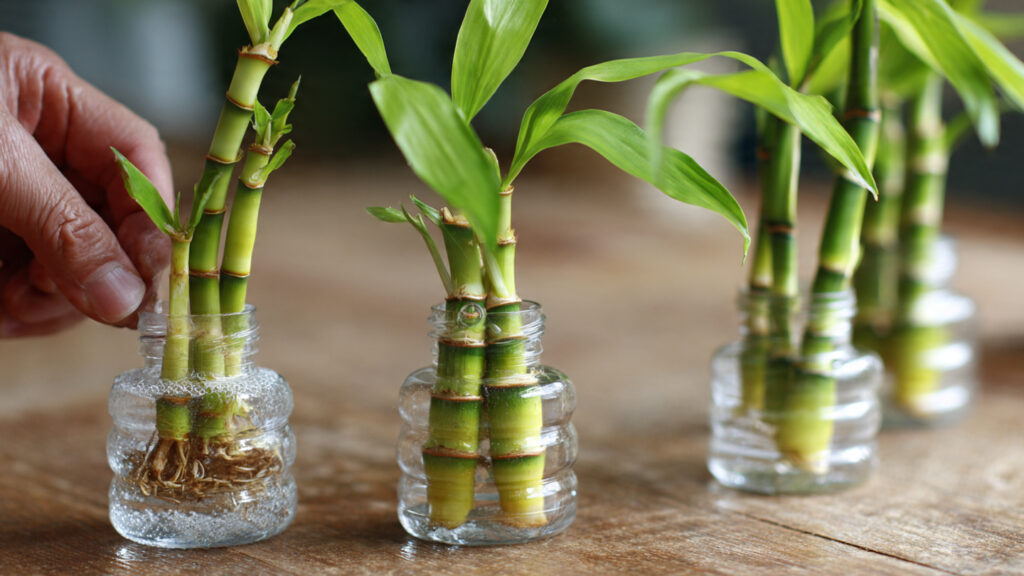
Bamboo is more than just a versatile plant; it is a symbol of resilience, growth, and natural beauty. Its fast growth, aesthetic appeal, and utility make it a favorite among gardeners, landscapers, and even urban dwellers seeking greenery in limited spaces. While bamboo is usually propagated through traditional methods like rhizome division or stem cuttings, there is a simple, innovative method using plastic bottles that makes propagation easy, cost-effective, and accessible for beginners. This article will guide you through effortless bamboo multiplication at home, step by step, using plastic bottles.
Why Propagate Bamboo at Home?
Bamboo is a hardy plant, but starting it from seeds can be slow and unpredictable. Propagating it through cuttings or rhizomes is faster, ensures the new plant inherits the parent’s characteristics, and allows you to grow multiple plants without buying expensive seedlings. Using plastic bottles as mini-greenhouses offers several advantages:
- Moisture retention – Bamboo cuttings need a consistently moist environment to develop roots. Bottles create a humid microclimate ideal for rooting.
- Temperature regulation – The clear plastic traps heat, keeping the cuttings warm and encouraging faster growth.
- Cost-effective and eco-friendly – Reusing plastic bottles reduces waste while providing a simple propagation tool.
With this method, you can multiply bamboo plants easily, whether you want to green your balcony, terrace garden, or backyard.
Materials You’ll Need
Before starting, gather the following items:
- Healthy bamboo plant for cuttings
- Sharp knife or pruning shears
- Clear plastic bottles (1–2 liters work well)
- Small stones or gravel for drainage
- Well-draining potting soil or a mixture of sand and soil
- Water spray bottle
- Optional rooting hormone to accelerate root growth
Using readily available household items makes this propagation method practical and accessible to anyone, anywhere.
Step 1: Selecting the Right Bamboo Cuttings
Choosing the right bamboo segments is crucial for successful propagation. Look for healthy, mature culms (stems) that are at least one year old. Avoid using damaged or diseased stems as they are less likely to root successfully.
Cutting guidelines:
- Length: 12–18 inches (30–45 cm)
- Include at least 2–3 nodes (the small rings along the bamboo stem)
- Make a clean, straight cut just below a node
Nodes are critical because roots and shoots develop from these points. A properly chosen cutting sets the foundation for a strong new bamboo plant.
Step 2: Preparing the Plastic Bottle
Plastic bottles act as mini-greenhouses that maintain humidity and warmth. Here’s how to prepare them:
- Remove labels and clean the bottle thoroughly.
- Cut the bottle horizontally in half or leave the top intact and simply make small drainage holes in the bottom.
- Add a 1–2 inch layer of small stones or gravel at the base to improve drainage.
- Fill the bottle with well-draining soil or a sand-soil mix, leaving enough space to insert the bamboo cutting.
If you cut the top half off, you can use it as a removable cover to increase humidity around the cutting, which is particularly useful in dry climates.
Step 3: Planting the Bamboo Cutting
Now it’s time to plant the bamboo:
- Optional step: Dip the bottom node of the cutting into rooting hormone to speed up root development.
- Make a small hole in the soil to accommodate the cutting without bending or breaking it.
- Insert the cutting so that at least one node is buried in the soil and one node remains above the soil line.
- Gently firm the soil around the cutting to remove air pockets.
- Mist the soil lightly with water to ensure it’s moist but not waterlogged.
Proper planting ensures the cutting receives the support and nutrients needed to develop roots and shoots.
Step 4: Creating the Perfect Microclimate
Bamboo cuttings need high humidity and warmth for root development. Here’s how to use your plastic bottle to create an ideal environment:
- Cover the top with the bottle cap or inverted upper half of the bottle to trap moisture.
- Place the container in a bright, indirect sunlight location. Avoid direct sunlight, which can overheat and damage the cutting.
- Keep the soil consistently moist by misting it regularly.
By mimicking a greenhouse environment, the plastic bottle method encourages faster and healthier root growth compared to traditional open-air planting.
Step 5: Caring for Bamboo Cuttings
Proper care during the early stages of propagation is key to success. Follow these tips:
➡️ How to Grow Malabar Spinach from Cuttings for Fast, Easy Greens
➡️ How to Grow Super Delicious Cabbage at Home Without a Garden
➡️ How to Grow Bean Sprouts at Home in Plastic Bottles Easily (Step‑by‑Step Guide)
➡️ Why is Your Lemon Tree Blooming in the Heart of Winter?
➡️ Why Should Your Garden Have a Dedicated Pollinator Highway?
➡️ Why Do Your Fruit Trees Need a Winter Wash to Thrive in Spring?
➡️ How Can Rice Water Transform Your Fruits into Sweeter Delights?
➡️ Jumpstart Your Winter Garden: Seed Starting Under Lights
- Watering: Maintain moist soil but avoid waterlogging. Excess water can cause root rot.
- Temperature: Bamboo thrives in warm conditions, ideally between 20–30°C (68–86°F).
- Monitoring growth: Within 3–6 weeks, you should notice new roots forming at the buried nodes. Some cuttings may also develop tiny shoots above the soil.
- Air circulation: Occasionally remove the bottle cover for a few minutes to allow fresh air exchange and prevent fungal growth.
With careful attention, your bamboo cutting will develop into a healthy new plant ready for transplantation.
Step 6: Transplanting to a Larger Container or Ground
Once the bamboo cutting has established roots and begun to show new growth, it can be moved to a larger container or planted directly in the ground. Here’s how:
- Carefully remove the cutting from the bottle, keeping the soil intact around the roots.
- Choose a well-draining container or a sunny, sheltered spot in your garden.
- Dig a hole large enough to accommodate the root ball without crowding.
- Plant the bamboo, backfill with soil, and water thoroughly.
- Mulch around the base to retain moisture and protect young roots.
Bamboo grows quickly, so giving it enough space and proper care ensures it thrives for years to come.
Advantages of Plastic Bottle Bamboo Propagation
Using plastic bottles for bamboo propagation offers several advantages:
- Affordable and sustainable: Recycles household plastic bottles, reducing waste.
- Efficient rooting: Creates a stable environment that encourages faster root formation.
- Space-saving: Perfect for urban gardeners with limited outdoor space.
- Low maintenance: Requires minimal tools and effort, making it suitable for beginners.
This method is a game-changer for anyone looking to multiply bamboo plants easily without investing in expensive nursery stock.
Tips for Maximum Success
- Use fresh, healthy cuttings – Older or damaged stems are less likely to root.
- Avoid overwatering – Too much water can lead to root rot.
- Provide indirect sunlight – Too much direct sun can scorch young cuttings.
- Be patient – Bamboo cuttings may take several weeks to root, depending on the species.
- Experiment with varieties – Some bamboo species respond better to this method than others; try multiple types to find the best fit.
With these tips, even first-time gardeners can successfully propagate bamboo at home.
Conclusion
Propagating bamboo at home doesn’t have to be complicated. By using a simple plastic bottle, you can create a nurturing microclimate that encourages root development and healthy growth. This method is cost-effective, environmentally friendly, and highly efficient, making it ideal for both urban gardeners and those with limited space.
From selecting healthy cuttings to planting, caring, and transplanting, the steps outlined in this guide make bamboo multiplication accessible to anyone. Not only will this method help you create a lush, green oasis at home, but it also allows you to share bamboo with friends, family, and your community.
Whether you’re looking to add a tropical touch to your balcony, create a privacy screen in your yard, or simply enjoy the satisfaction of growing plants from scratch, this plastic bottle propagation technique is an effortless, effective, and rewarding way to multiply bamboo at home.
Start today, and watch your bamboo collection flourish with minimal effort, turning your space into a serene and verdant retreat.