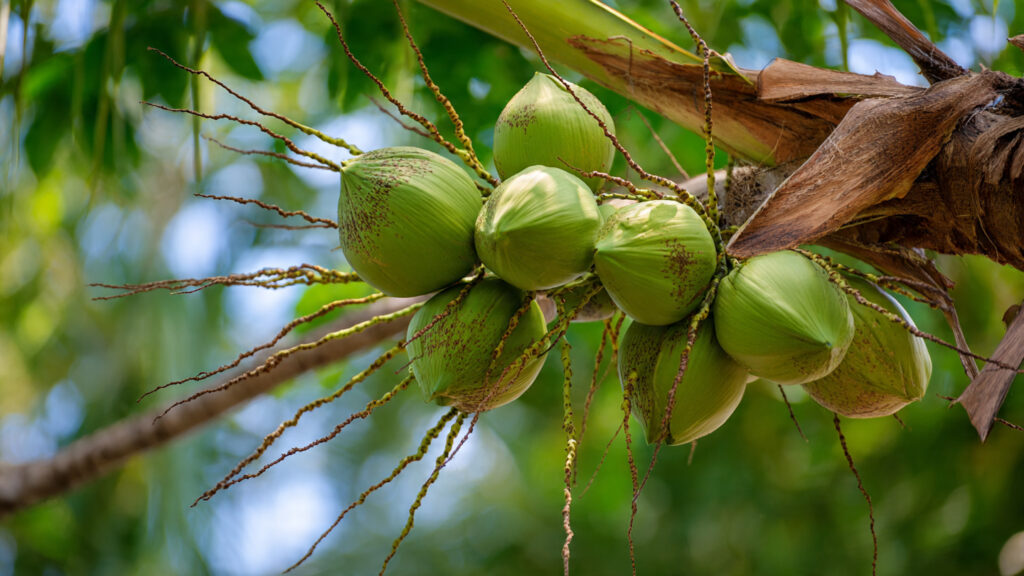
Coconut palms are often associated with tropical beaches and faraway islands, but with the right care, you can successfully grow a coconut plant at home—even in a container or backyard garden. Not only do coconut palms add an exotic touch to your home, but they can also provide a continuous supply of coconuts for culinary and medicinal uses. Growing a coconut plant at home may sound daunting, but by understanding the right techniques, soil requirements, and care routines, anyone can cultivate these iconic palms.
Selecting the Right Coconut
The first step to successful coconut cultivation is choosing the right type of coconut. There are two main varieties:
- Tall Varieties: These palms grow very tall (up to 30 meters) and are suited for open gardens. They produce high-quality coconuts but take longer to mature and may be difficult to manage in a home setting.
- Dwarf Varieties: These are ideal for home cultivation, especially in pots or smaller gardens. Dwarf varieties reach a manageable height of 2–6 meters and often start producing nuts earlier, sometimes within 3–4 years. Popular dwarf varieties include Malayan Dwarf, Chowghat Orange Dwarf, and King Coconut.
When selecting a coconut for planting, look for mature, healthy nuts with a brown, fibrous husk. The nut should feel heavy and firm, and when shaken, you should hear water sloshing inside. This indicates the seed is viable and likely to germinate successfully.
Preparing the Coconut for Planting
Coconuts can be germinated directly in soil or sprouted first in a controlled environment. Here’s how to prepare your coconut:
- Soak the Coconut: Immerse the nut in water for 2–3 days to soften the husk and encourage faster sprouting.
- Check for Germination: Some gardeners prefer to pre-sprout the coconut by placing it in a shallow tray of moist sand or coir. A small shoot and root will begin to emerge in 3–6 weeks.
- Select the Best Position: The sprouted coconut should be planted in a location with plenty of sunlight—at least 6–8 hours per day. Coconut palms thrive in warm, tropical climates, so indoors or shaded locations may slow growth.
Soil and Container Requirements
Coconut palms need well-draining soil to prevent root rot. Sandy loam enriched with organic compost is ideal. If planting in a container, choose a large pot at least 50–60 cm in diameter with drainage holes at the bottom.
- Soil Mix: A combination of garden soil, sand, and well-rotted compost or coconut coir ensures proper drainage and nutrient availability.
- Drainage: Elevate the pot slightly or use a saucer to avoid waterlogging. Coconut palms dislike “wet feet,” which can stunt growth and promote fungal diseases.
For backyard planting, dig a hole twice the size of the nut to accommodate developing roots. Position the coconut with the pointed end downward and ensure the base is slightly above soil level to prevent water accumulation around the seed.
Planting the Coconut
There are two main ways to plant a coconut:
- Direct Planting in Soil: Place the coconut in the hole with the pointed end downward. Cover it partially with soil, leaving the top third exposed. Water thoroughly after planting.
- Container Planting: Place the sprouted coconut in a large pot filled with the prepared soil mix. Ensure the top of the nut is above the soil line.
Watering is crucial during the first few months, but avoid overwatering. Keep the soil moist but not soggy. Coconut palms are tropical plants that thrive in high humidity and warm temperatures.
Caring for a Coconut Plant
Proper care is essential to promote healthy growth and nut production.
Watering
- Young coconut plants require regular watering—2–3 times a week depending on weather.
- Mature palms are drought-tolerant but still benefit from occasional deep watering, especially in dry months.
- Avoid waterlogging, as it can cause root rot.
Fertilization
Coconut palms are heavy feeders. For home-grown plants:
- Use a balanced fertilizer containing nitrogen, phosphorus, potassium, and magnesium.
- Apply fertilizer every 2–3 months during the growing season.
- Organic options like compost, well-rotted manure, or seaweed extract are excellent for nutrient enrichment.
Sunlight and Temperature
Coconuts thrive in full sunlight. Young plants may tolerate partial shade, but maximum growth occurs with 6–8 hours of direct sunlight daily. Temperature should ideally range between 25–35°C (77–95°F). In cooler climates, consider growing the coconut in a container that can be moved indoors during winter.
Pruning
While coconuts generally don’t require heavy pruning, removing dead or damaged fronds improves airflow and reduces pest problems. Prune carefully to avoid injuring the growing point at the top of the palm, which can stunt growth permanently.
Pest and Disease Control
Coconut palms are susceptible to pests like mealybugs, scale insects, and mites. Regularly inspect leaves and stems and use organic sprays like neem oil if needed. Fungal diseases such as leaf spot can occur in humid conditions; proper spacing and good airflow reduce the risk.
Encouraging Nut Production
One of the most common questions is, “How long before my coconut palm produces nuts?”
- Dwarf varieties: 3–4 years
- Tall varieties: 6–10 years
Factors that influence nut production include:
➡️ How to Grow Malabar Spinach from Cuttings for Fast, Easy Greens
➡️ How to Grow Super Delicious Cabbage at Home Without a Garden
➡️ How to Grow Bean Sprouts at Home in Plastic Bottles Easily (Step‑by‑Step Guide)
➡️ Why is Your Lemon Tree Blooming in the Heart of Winter?
➡️ Why Should Your Garden Have a Dedicated Pollinator Highway?
➡️ Why Do Your Fruit Trees Need a Winter Wash to Thrive in Spring?
➡️ How Can Rice Water Transform Your Fruits into Sweeter Delights?
➡️ Jumpstart Your Winter Garden: Seed Starting Under Lights
- Adequate Sunlight: Ensure at least 6–8 hours of direct sunlight daily.
- Regular Fertilization: Potassium and magnesium are particularly important for flowering and fruiting.
- Proper Watering: Consistent moisture encourages healthy flower and nut development.
- Pollination: Coconut palms are generally self-pollinating, but outdoor plants benefit from wind or insect activity. In container-grown plants, gentle hand-pollination may improve fruit set.
Hand Pollination Technique
If growing a coconut indoors or in a controlled environment, hand pollination ensures successful nut set:
- Identify male and female flowers. Male flowers are at the tip of the spike, while female flowers are near the base.
- Use a soft brush to transfer pollen from male to female flowers during peak bloom.
- Repeat every few days until fruit begins to develop.
Harvesting Coconuts
Coconuts take 6–12 months to mature from flower to harvestable nut. Indicators of maturity include:
- Brown husk color
- Hard outer shell
- Full liquid content inside
Harvest carefully to avoid damaging the palm. Use gloves and a long pole or ladder for tall palms. For container-grown dwarfs, fruits may be easily collected by hand.
Tips for Maximizing Yield at Home
- Choose Dwarf Varieties: Easier to manage, quicker to fruit.
- Use Large Containers: Allows roots to expand, supporting larger nuts.
- Provide Adequate Nutrients: Regular feeding ensures healthy flowers and nuts.
- Maintain Sunlight Exposure: Rotate containers if indoors to maximize light for all fronds.
- Monitor Pests and Diseases: Early detection prevents major damage.
- Be Patient: Coconut palms grow slowly at first; consistent care leads to long-term yield.
Additional Benefits of Homegrown Coconuts
Growing a coconut palm at home has more than just culinary advantages. Benefits include:
- Aesthetic Appeal: Adds tropical charm to your garden, balcony, or indoor space.
- Health Benefits: Coconuts provide nutritious water, milk, and flesh rich in vitamins, minerals, and healthy fats.
- Sustainable Food Source: Growing your own reduces reliance on store-bought coconuts and lowers your carbon footprint.
- Educational Experience: Watching a coconut germinate and mature teaches patience and gardening skills.
Conclusion
Growing a coconut plant at home is an achievable and rewarding endeavor with the right preparation, care, and patience. By selecting healthy nuts, using well-draining soil, providing ample sunlight, and maintaining proper watering and fertilization, you can cultivate a coconut palm that thrives indoors or in your backyard.
While it may take a few years for your home-grown palm to produce its first nut, the satisfaction of harvesting coconuts from your own plant is unmatched. Whether you’re looking to enjoy fresh coconut water, use coconut flesh in cooking, or simply add a tropical flair to your space, growing coconuts at home offers both practical and aesthetic rewards.
With consistent care and attention, your coconut plant can become a long-lasting, productive addition to your home garden—providing abundant nuts for years to come.