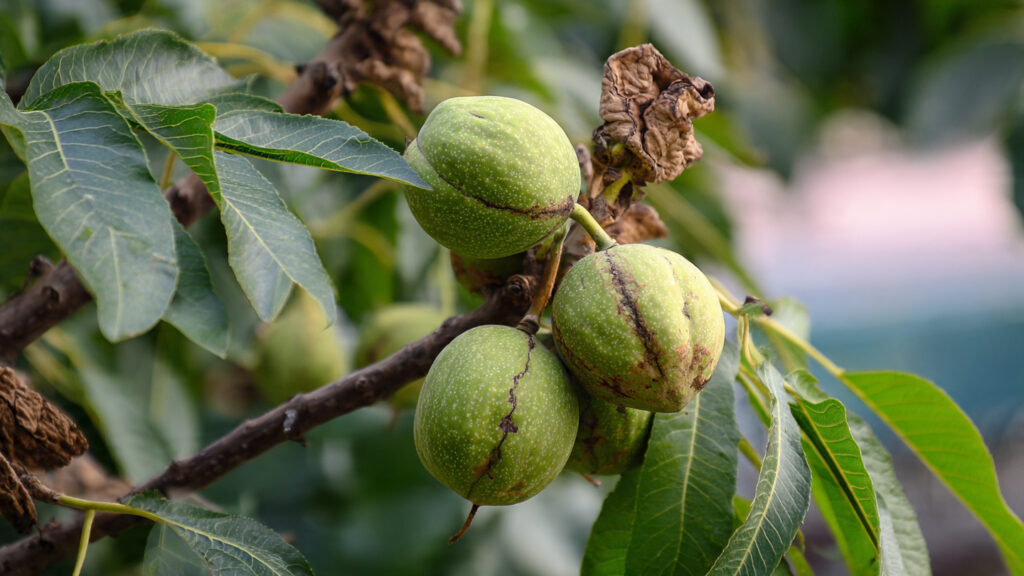
Walnuts are celebrated worldwide for their rich flavor, nutritional value, and numerous health benefits. From boosting brain health to providing essential vitamins and minerals, these nuts are a powerhouse of nutrition. While walnuts are traditionally cultivated in large orchards, home gardeners can also grow walnut plants successfully with the right care and techniques. Growing walnuts at home not only provides a sustainable source of healthy nuts but also adds a beautiful, shade-providing tree to your garden. This article will guide you step by step on how to grow a walnut plant at home for strong growth and healthy nuts.
Understanding Walnut Trees
Walnut trees belong to the genus Juglans, and the most commonly cultivated species for nuts are the English walnut (Juglans regia) and the Black walnut (Juglans nigra). These trees are deciduous, meaning they shed leaves in winter, and can grow quite large under ideal conditions. Walnut trees thrive in well-drained soil, adequate sunlight, and moderate climates.
Key characteristics to keep in mind:
- Growth: Walnut trees have a strong taproot and a wide canopy. They require space to grow both above and below ground.
- Lifespan: Walnuts are long-lived trees that can produce nuts for several decades.
- Nut production: Trees typically take 5–7 years to bear nuts if grown from seed, but grafted plants can produce earlier.
Understanding these basics helps you create the right environment for a healthy walnut plant.
Selecting the Right Variety
Choosing the right walnut variety is crucial for home cultivation. Some popular varieties suitable for home gardens include:
- Chandler Walnut – Known for its large, high-quality nuts and early production.
- Franquette Walnut – A French variety with excellent flavor and disease resistance.
- Black Walnut – Hardy and robust, produces strong-flavored nuts but requires more care in soil management.
For home gardeners, grafted saplings are preferred because they guarantee the traits of the parent plant, provide faster growth, and bear nuts earlier than seed-grown trees.
Growing Walnut Plants from Seeds
If you prefer to start from seeds, follow these steps:
- Select Quality Seeds: Choose fresh, mature walnuts free from cracks or mold. Seeds from known varieties ensure better results.
- Stratification: Walnuts require cold stratification to germinate. Place the seeds in a damp sand or peat mixture and refrigerate for 2–3 months. This mimics winter conditions and encourages germination.
- Planting: After stratification, plant the seeds 2–3 inches deep in a pot with well-draining soil. Keep the soil moist but not waterlogged.
- Transplanting: Once the seedling grows 6–12 inches tall and develops a strong root system, transplant it to a larger pot or garden space. Ensure the planting site has full sun and well-drained soil.
Although seed-grown plants take longer to bear nuts, they develop deep roots and strong resilience.
Growing Walnut Plants from Grafted Saplings
For faster nut production and predictable growth, grafted saplings are ideal:
- Purchase a healthy grafted plant from a reliable nursery.
- Planting: Dig a hole twice the size of the root ball. Place the sapling carefully, ensuring the graft union is above the soil line. Fill with a mix of native soil and compost.
- Initial care: Water thoroughly and apply a light mulch to retain moisture. Protect the sapling from strong winds and pests during the first year.
Grafted plants often start producing nuts in 3–4 years, much faster than seed-grown trees.
Soil Requirements
Walnut trees thrive in fertile, deep, and well-draining soil. Ideal soil characteristics include:
- pH level: Slightly acidic to neutral (6.0–7.0).
- Texture: Loamy soils rich in organic matter are best. Avoid waterlogged or heavy clay soils.
- Drainage: Good drainage prevents root rot and fungal diseases. Raised beds or slightly elevated planting sites can help.
Before planting, enrich the soil with compost or well-rotted manure to provide essential nutrients.
Sunlight and Location
Walnuts require full sunlight for optimal growth. Choose a location with at least 6–8 hours of direct sunlight daily. Avoid areas with heavy shade, as it can slow growth and reduce nut production. Additionally, ensure there is enough space for the tree to grow; walnuts can spread widely, and crowding can lead to competition for nutrients.
Watering and Mulching
Young walnut plants need consistent watering to establish strong roots:
- Watering: Water the plant 2–3 times per week during dry periods. Avoid waterlogging, which can damage roots.
- Mulching: Apply a 2–3 inch layer of organic mulch, such as straw or compost, around the base of the tree. Mulching helps retain moisture, regulate soil temperature, and suppress weeds.
Once the tree matures, it becomes more drought-tolerant but still benefits from regular watering, especially during flowering and nut development.
➡️ How to Grow Malabar Spinach from Cuttings for Fast, Easy Greens
➡️ How to Grow Super Delicious Cabbage at Home Without a Garden
➡️ How to Grow Bean Sprouts at Home in Plastic Bottles Easily (Step‑by‑Step Guide)
➡️ Why is Your Lemon Tree Blooming in the Heart of Winter?
➡️ Why Should Your Garden Have a Dedicated Pollinator Highway?
➡️ Why Do Your Fruit Trees Need a Winter Wash to Thrive in Spring?
➡️ How Can Rice Water Transform Your Fruits into Sweeter Delights?
➡️ Jumpstart Your Winter Garden: Seed Starting Under Lights
Fertilization
Walnut trees are heavy feeders. Proper nutrition supports healthy growth and abundant nut production:
- Nitrogen: Essential for vegetative growth. Apply during spring as urea or organic compost.
- Phosphorus: Promotes strong roots and flower development. Bone meal or rock phosphate can be used.
- Potassium: Supports fruit development and disease resistance. Apply as potash or wood ash.
- Micronutrients: Zinc, boron, and iron are crucial for leaf and nut development. Use chelated formulations if necessary.
Apply fertilizers according to the tree’s growth stage: higher nitrogen in early growth, more phosphorus and potassium during flowering and nut formation.
Pruning and Canopy Management
Proper pruning ensures a strong structure and healthy canopy:
- Young trees: Prune to develop a central leader and scaffold branches. Remove weak or crossing branches.
- Mature trees: Remove dead, diseased, or overcrowded branches. Thin the canopy to improve sunlight penetration and air circulation, reducing fungal disease risks.
Pruning also helps in easier harvesting and promotes better nut quality.
Pest and Disease Management
Walnut plants are susceptible to pests like aphids, caterpillars, and walnut husk flies. Common diseases include powdery mildew, anthracnose, and root rot. Home gardeners can adopt these strategies:
- Neem oil or insecticidal soap for pest control.
- Proper spacing and pruning to reduce disease incidence.
- Good drainage and organic soil amendments to prevent fungal infections.
Regular monitoring ensures early intervention and healthy plant growth.
Harvesting Walnuts
Walnuts are ready for harvest when the outer husk splits and the nuts fall naturally:
- Manual collection: Gather fallen nuts daily to prevent damage or rot.
- Husking: Remove the green outer husk promptly.
- Drying: Spread nuts in a single layer in a well-ventilated, shaded area for 2–3 weeks. Proper drying prevents mold and ensures long storage life.
Home-grown walnuts are fresher, tastier, and more nutritious than store-bought ones.
Tips for Strong Growth and Healthy Nuts
- Start with high-quality seeds or grafted saplings.
- Maintain consistent watering, especially in the first 2–3 years.
- Apply organic compost and balanced fertilizers to promote growth.
- Prune regularly to maintain a strong structure and healthy canopy.
- Protect young plants from pests and extreme weather.
- Be patient; walnut trees take time to mature but reward with decades of nut production.
Benefits of Growing Walnuts at Home
Growing walnuts at home provides multiple advantages:
- Nutritional value: Fresh walnuts are rich in omega-3 fatty acids, protein, and antioxidants.
- Health benefits: Consuming walnuts supports heart health, brain function, and immune system strength.
- Environmental benefits: Walnut trees provide shade, improve soil quality, and attract beneficial wildlife.
- Cost savings: Harvesting your own nuts reduces reliance on store-bought options.
Additionally, nurturing a walnut plant at home can be a rewarding hobby that contributes to sustainable living.
Conclusion
Growing a walnut plant at home is a fulfilling endeavor that combines patience, care, and proper scientific methods. By choosing the right variety, providing optimal soil and sunlight, practicing proper watering and fertilization, and protecting the plant from pests and diseases, you can cultivate a healthy walnut tree that produces nutritious nuts for years to come. Whether you grow from seed or grafted saplings, consistent care will ensure strong growth, a beautiful canopy, and a bountiful harvest of delicious walnuts. With dedication and proper guidance, your home garden can become a source of fresh, healthy nuts while enhancing the beauty and ecological value of your outdoor space.