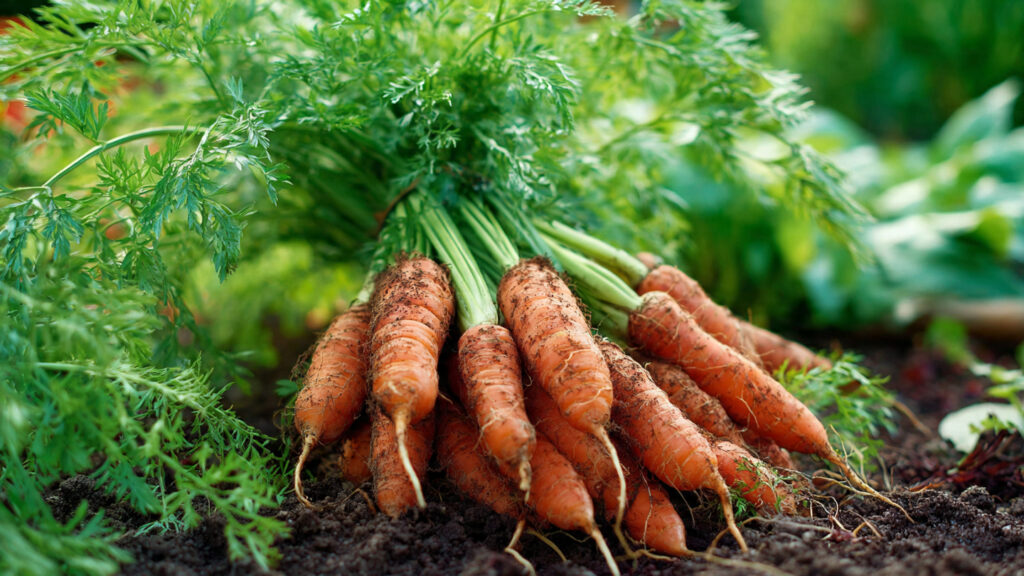
Carrots are among the most popular and versatile vegetables for home gardens. Not only are they rich in beta-carotene, fiber, and essential vitamins, but they also add color, flavor, and nutrition to your meals. Growing carrots at home is surprisingly easy and rewarding, provided you understand the essentials of soil preparation, planting, watering, and care. With a little guidance, you can enjoy crunchy, flavorful carrots straight from your garden, free from chemicals and preservatives. This complete guide walks you through the easy steps to grow carrots at home successfully.
1. Choosing the Right Carrot Variety
Carrots come in a range of sizes, colors, and flavors. When selecting seeds, consider your growing space, climate, and taste preferences. Popular home-garden varieties include:
- Nantes: Sweet, cylindrical, and ideal for containers or shallow soil.
- Danvers: Classic, tapered carrots that grow well in most soils.
- Imperator: Long and slender, perfect for deep, loose soil.
- Chantenay: Short, robust carrots suited for heavy or clay soil.
Selecting the right variety ensures that your carrots mature properly and fit the space you have available, whether a garden bed, raised bed, or container.
2. Preparing the Soil
Healthy carrots require loose, well-draining soil. Compact or rocky soil can lead to stunted, forked, or misshapen roots. Follow these soil preparation steps:
- Loosen the Soil: Dig or till soil to a depth of 12–15 inches to allow roots to grow straight and long.
- Remove Debris: Stones, sticks, and other debris can obstruct root growth.
- Improve Texture: Add compost or well-rotted manure to enrich soil and improve drainage.
- Check pH: Carrots prefer slightly acidic to neutral soil with a pH of 6.0–7.0.
Proper soil preparation is one of the most important steps to ensure a high-quality, straight, and crunchy carrot harvest.
3. Selecting the Right Location
Carrots grow best in full sun but tolerate partial shade. Ensure the planting area receives at least 6–8 hours of sunlight daily. Adequate sunlight helps develop the natural sugars in carrots, enhancing their sweetness and flavor. Avoid areas with heavy shade or where water tends to stagnate, as this can cause root rot or slow growth.
4. Planting Carrot Seeds
Carrot seeds are small and delicate, so careful planting is essential:
- Sow Directly: Carrots do not transplant well. Sow seeds directly in prepared soil.
- Spacing: Plant seeds about 1/4 to 1/2 inch deep and 1–2 inches apart in rows.
- Row Distance: Space rows 12–18 inches apart to allow airflow and ease of maintenance.
- Cover Lightly: Gently cover seeds with fine soil or sand to keep them moist but not compacted.
Carrot seeds typically germinate in 10–21 days, depending on soil temperature. Keep the soil consistently moist during this period to ensure successful sprouting.
5. Watering and Moisture Management
Consistent moisture is crucial for healthy carrot growth. Uneven watering can lead to split or deformed roots. Follow these tips:
- Deep Watering: Water deeply 1–2 times a week to encourage long root growth.
- Avoid Overwatering: Waterlogged soil can rot seeds or roots.
- Mulching: Apply a thin layer of organic mulch, such as straw or shredded leaves, to retain moisture, regulate soil temperature, and suppress weeds.
Proper water management ensures crunchy, sweet carrots and minimizes stress that can affect growth.
6. Thinning the Seedlings
Once your carrot seedlings have grown 2–3 inches tall, thinning is necessary to prevent overcrowding:
- Select Strongest Seedlings: Leave the healthiest plants 2–4 inches apart for small varieties or up to 6 inches for larger types.
- Remove Weak Plants: Carefully snip or pull weaker seedlings to avoid disturbing roots of remaining plants.
- Encourage Proper Root Development: Thinning allows roots to grow straight and full-sized without competing for nutrients.
Thinning is often overlooked but is a key step for producing uniform, high-quality carrots.
7. Fertilizing for Healthy Growth
Carrots are root vegetables, so they require nutrients that promote strong root development rather than excessive leafy growth:
- Balanced Fertilizer: Use a fertilizer low in nitrogen but high in phosphorus and potassium to support root growth.
- Organic Options: Compost, bone meal, or well-rotted manure are excellent natural alternatives.
- Timing: Fertilize at planting and again midway through growth to ensure consistent nutrient supply.
Avoid over-fertilizing with nitrogen, as it can result in lush foliage but poorly developed roots.
8. Pest and Disease Management
Carrots are susceptible to a few common pests and diseases:
➡️ How to Grow Malabar Spinach from Cuttings for Fast, Easy Greens
➡️ How to Grow Super Delicious Cabbage at Home Without a Garden
➡️ How to Grow Bean Sprouts at Home in Plastic Bottles Easily (Step‑by‑Step Guide)
➡️ Why is Your Lemon Tree Blooming in the Heart of Winter?
➡️ Why Should Your Garden Have a Dedicated Pollinator Highway?
➡️ Why Do Your Fruit Trees Need a Winter Wash to Thrive in Spring?
➡️ How Can Rice Water Transform Your Fruits into Sweeter Delights?
➡️ Jumpstart Your Winter Garden: Seed Starting Under Lights
- Carrot Fly: The larvae feed on roots, causing tunnels and decay. Use row covers or interplant with onions to deter flies.
- Aphids and Leaf Miners: Spray with neem oil or soapy water to protect foliage.
- Fungal Diseases: Ensure good spacing, adequate airflow, and avoid overwatering to reduce fungal risks.
Regular inspection and early intervention prevent small issues from damaging your entire crop.
9. Supporting Healthy Growth
Although carrots grow underground, maintaining healthy tops ensures vigorous root development:
- Weeding: Remove weeds regularly to reduce competition for nutrients and water.
- Soil Aeration: Lightly loosen soil around carrot tops to prevent crusting and allow oxygen to reach roots.
- Sunlight Management: Avoid shading the planting area with taller crops that may reduce photosynthesis.
Healthy foliage supports energy production for developing roots, resulting in sweeter and crunchier carrots.
10. Harvesting Carrots
Timing your harvest is key to enjoy tender, flavorful carrots:
- Maturity: Carrots typically mature in 60–80 days, depending on variety.
- Color Check: Harvest when roots reach full color and size.
- Taste Test: Pull a few carrots to taste for sweetness and texture.
- Harvest Gently: Loosen soil around roots with a fork before pulling to avoid breaking or damaging carrots.
Carrots left too long in the ground may become woody or overly large, so monitor them closely as they near maturity.
11. Storing Carrots
Proper storage preserves freshness and flavor after harvest:
- Remove Tops: Cut off green foliage, leaving about 1 inch of stem.
- Refrigeration: Store in plastic bags or containers in the fridge for up to 3–4 weeks.
- Root Cellar: Carrots store well in cool, humid environments with slightly moist sand or sawdust for several months.
- Freezing: Blanch and freeze carrots to enjoy your harvest year-round.
Homegrown carrots are versatile, allowing you to enjoy them raw, cooked, or preserved for later use.
12. Growing Carrots in Containers
If garden space is limited, carrots can thrive in containers:
- Deep Containers: Use pots at least 12 inches deep to accommodate root growth.
- Loose Potting Mix: Ensure soil is free of stones and well-draining.
- Sunlight: Place containers in a sunny spot for 6–8 hours of light daily.
- Watering: Maintain consistent moisture as container soil dries faster than garden beds.
Container gardening makes it easy to enjoy fresh, homegrown carrots even in apartments or small patios.
13. Succession Planting for Continuous Harvest
To enjoy fresh carrots all season:
- Stagger Planting: Sow seeds every 2–3 weeks to maintain a continuous supply.
- Mix Varieties: Plant early, mid, and late-maturing varieties for extended harvest periods.
- Rotate Crops: Avoid planting carrots in the same soil consecutively to reduce disease buildup.
Succession planting ensures your kitchen always has a supply of crunchy, nutritious carrots.
Conclusion
Growing carrots at home is a simple, rewarding endeavor that yields nutritious, delicious results. By selecting the right variety, preparing loose, fertile soil, planting seeds carefully, managing water and nutrients, and protecting against pests and diseases, you can enjoy a bountiful harvest of crunchy, flavorful carrots. Whether in garden beds, raised beds, or containers, carrots are an ideal crop for beginner and experienced gardeners alike.
With patience and consistent care, homegrown carrots not only enhance your meals but also provide the satisfaction of nurturing a vegetable from seed to harvest. Following these easy steps ensures your carrot harvest will be abundant, nutritious, and a true delight for your family