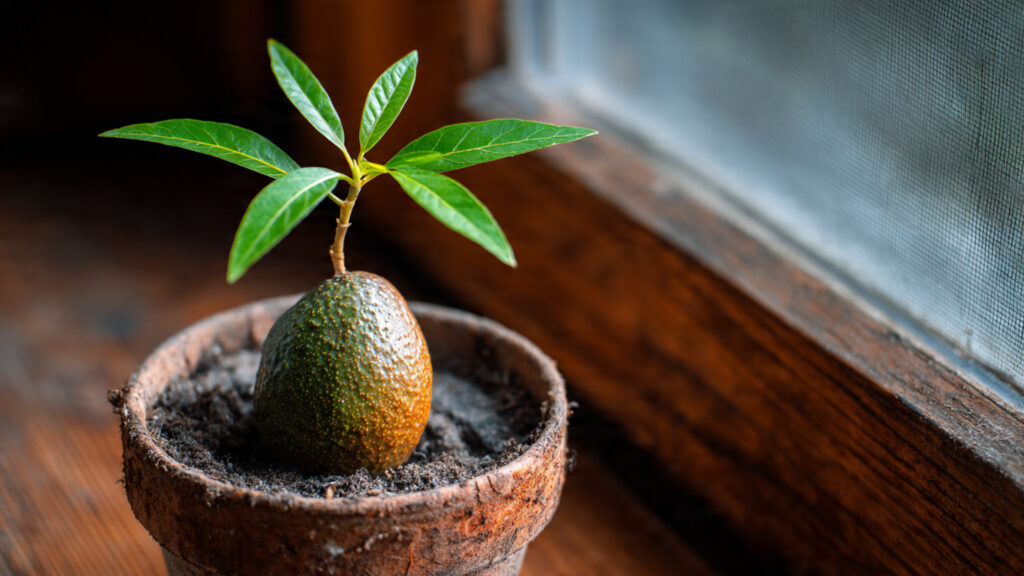
Growing an avocado tree from a pit is one of the most satisfying and educational experiences for any home gardener. Not only do you get to witness the miracle of germination, but it’s also an affordable way to start your very own fruit tree right from the comfort of your home. While growing avocados to maturity and fruit-bearing stages requires patience and care, starting from a pit is simple, fun, and immensely rewarding. In this guide, we’ll cover everything from selecting the right avocado pit to nurturing your young plant into a thriving houseplant or future orchard tree.
1. Choosing the Right Avocado
The first step in growing an avocado from a pit is selecting the right fruit. For the best results, choose a ripe avocado that is free from bruises, cuts, or signs of rot. You want a healthy, firm fruit with a large, intact seed. While any variety of avocado will work, popular types like Hass, Fuerte, or Bacon are easier to start indoors due to their robust seeds.
After enjoying your avocado, carefully remove the pit. Rinse it under lukewarm water to remove any remaining flesh, being gentle to avoid scratching the surface. Avoid using soap or harsh chemicals, as the seed’s outer skin needs to remain natural to aid germination.
2. Understanding the Avocado Pit
Before planting, it’s important to understand the structure of an avocado pit. The seed has two distinct ends: a pointed top and a flat bottom. The bottom is the part that will sprout roots, while the top will eventually produce the stem and leaves. Planting the seed upside down is a common mistake that slows or prevents germination, so always orient it correctly.
The pit also has a thin, brown skin that protects it. In some cases, you may notice tiny cracks forming as the seed begins to sprout—this is a natural sign that germination is underway. Be patient; avocado seeds can take anywhere from 2 to 8 weeks to sprout, depending on conditions.
3. The Water Method: A Simple Way to Start
One of the most popular ways to germinate an avocado pit is the water suspension method. This method allows you to watch the roots and stem grow, which is both educational and visually exciting.
Materials Needed:
- A ripe avocado pit
- Toothpicks
- A glass or jar
- Water
Steps:
- Insert Toothpicks: Gently insert three or four toothpicks into the middle section of the seed at a slight downward angle. These toothpicks will act as support, allowing the pit to rest on the rim of a glass or jar.
- Suspend in Water: Place the pit in a glass of water, flat-bottom side down. The toothpicks should hold it so the bottom half is submerged, while the top remains dry.
- Positioning: Place the glass in a bright, warm location but out of direct sunlight. A windowsill with indirect sunlight works best.
- Maintain Water Level: Change the water every few days to prevent bacteria or mold. Make sure the bottom of the pit is always submerged.
Within a few weeks, you’ll notice the pit cracking at the bottom, followed by a small root emerging. Shortly after, a shoot will sprout from the top. This stage requires patience—some seeds may take over a month to sprout.
4. The Soil Method: Direct Planting
If you prefer a more traditional approach, you can plant the avocado pit directly in soil. This method eliminates the need to transfer from water to soil later, reducing transplant shock. However, you won’t be able to watch the initial root development as easily.
Materials Needed:
- Ripe avocado pit
- Pot with drainage holes
- Well-draining potting mix
Steps:
- Prepare the Pot: Choose a pot that is at least 6-8 inches deep to accommodate root growth. Fill it with well-draining potting soil, ideally a mix with sand or perlite to prevent waterlogging.
- Plant the Pit: Plant the seed flat-bottom down, leaving the top half exposed above the soil. The pointed end should face upwards.
- Watering: Water gently to moisten the soil but avoid making it soggy. Overwatering can cause the pit to rot.
- Sunlight: Place the pot in a warm, bright location with indirect sunlight.
Within 4-6 weeks, the pit should start to crack and a root will emerge, followed by a shoot. Keep the soil consistently moist but not saturated.
5. Caring for Your Growing Avocado Seedling
Once your avocado pit sprouts, proper care is essential to ensure healthy growth.
Light:
Avocado plants thrive in bright, indirect sunlight. If growing indoors, place your plant near a south-facing window. Too little light will result in a leggy, weak stem, while intense direct sunlight can scorch the tender leaves.
Watering:
Consistency is key. Keep the soil lightly moist, but never waterlog it. Avocados are sensitive to root rot. As the plant grows, water less frequently, allowing the top inch of soil to dry out between watering.
Temperature and Humidity:
Avocados prefer warm temperatures between 65–85°F (18–29°C). Avoid exposing them to drafts, sudden temperature changes, or frost. Indoor humidity should be moderate; if the air is very dry, consider misting the leaves occasionally.
Fertilization:
Once the seedling develops true leaves, you can start feeding it with a balanced, water-soluble fertilizer every 4-6 weeks. This encourages strong stem and leaf growth. Avoid over-fertilization, which can harm the young plant.
6. Transplanting: From Seedling to Pot
When your avocado seedling reaches 6-8 inches in height and has a healthy root system, it may be time to transplant it into a larger pot. Choose a container with good drainage and rich, well-draining soil. Carefully remove the seedling from its original container, keeping the roots intact, and plant it at the same depth.
➡️ How to Grow Malabar Spinach from Cuttings for Fast, Easy Greens
➡️ How to Grow Super Delicious Cabbage at Home Without a Garden
➡️ How to Grow Bean Sprouts at Home in Plastic Bottles Easily (Step‑by‑Step Guide)
➡️ Why is Your Lemon Tree Blooming in the Heart of Winter?
➡️ Why Should Your Garden Have a Dedicated Pollinator Highway?
➡️ Why Do Your Fruit Trees Need a Winter Wash to Thrive in Spring?
➡️ How Can Rice Water Transform Your Fruits into Sweeter Delights?
➡️ Jumpstart Your Winter Garden: Seed Starting Under Lights
As the plant grows, you may need to repot every 12-18 months into a slightly larger pot to accommodate root growth. Be gentle during repotting to avoid damaging the fragile roots.
7. Pruning and Shaping Your Plant
Pruning encourages bushier growth and prevents your avocado plant from becoming too tall and leggy. Once the plant reaches about 12 inches, pinch off the top leaves to encourage lateral branching. Continue to prune periodically to maintain shape and promote a fuller canopy. This is especially important for indoor avocado plants, which can grow tall quickly in search of light.
8. Patience Pays Off: Fruit-Bearing Tips
While growing an avocado from a pit is fun and educational, it’s important to manage expectations regarding fruit production. Indoor avocado trees grown from seed may take 5-13 years to bear fruit, and some never produce fruit at all. For fruiting success:
- Pollination: Avocado trees have “A” and “B” flower types. For outdoor trees, having both types nearby improves pollination. Indoor trees may require manual pollination.
- Sunlight: Fruit production requires plenty of light—ideally, outdoor conditions or supplemental grow lights indoors.
- Fertilization: Use a fertilizer high in nitrogen and potassium once the plant is mature to support flowering and fruiting.
Even if your homegrown tree doesn’t bear fruit, it makes a beautiful, lush houseplant and a conversation starter.
9. Common Issues and Solutions
Seed Rot:
Overwatering or poor drainage can cause the pit to rot. Always ensure proper water levels and well-draining soil.
Leggy Growth:
If your seedling grows tall and weak, it may not be getting enough light. Move it to a brighter spot or supplement with a grow light.
Leaf Drop:
Sudden temperature changes, drafts, or overwatering can lead to leaf drop. Maintain stable conditions and adjust watering as needed.
10. Fun Tips to Enhance Growth
- Rotate the Pot: Rotate your avocado plant weekly to ensure even light distribution and prevent leaning.
- Warmth Helps: Placing the seed in a warm location can speed up germination. Some gardeners wrap the seed in a damp paper towel and place it in a plastic bag in a warm spot for a few days to kickstart growth.
- Decorative Touches: Use colorful pots or a terrarium-like setup for a stylish indoor garden addition.
Conclusion
Growing an avocado from a pit is a simple yet fascinating project that brings the joys of gardening right into your home. By selecting a healthy seed, using the water or soil germination methods, and providing consistent care, you can watch your avocado pit transform into a vibrant, leafy plant. While patience is required—especially if you hope for fruit—the process itself is rewarding. Each stage, from the first crack in the seed to the emergence of leaves and roots, is a small miracle of nature.
Whether you’re a beginner gardener, a parent looking to teach kids about plants, or someone who simply loves nurturing greenery, growing an avocado tree at home is a delightful and educational experience. So grab that leftover avocado pit, give it a home, and watch nature work its magic—one sprout at a time.