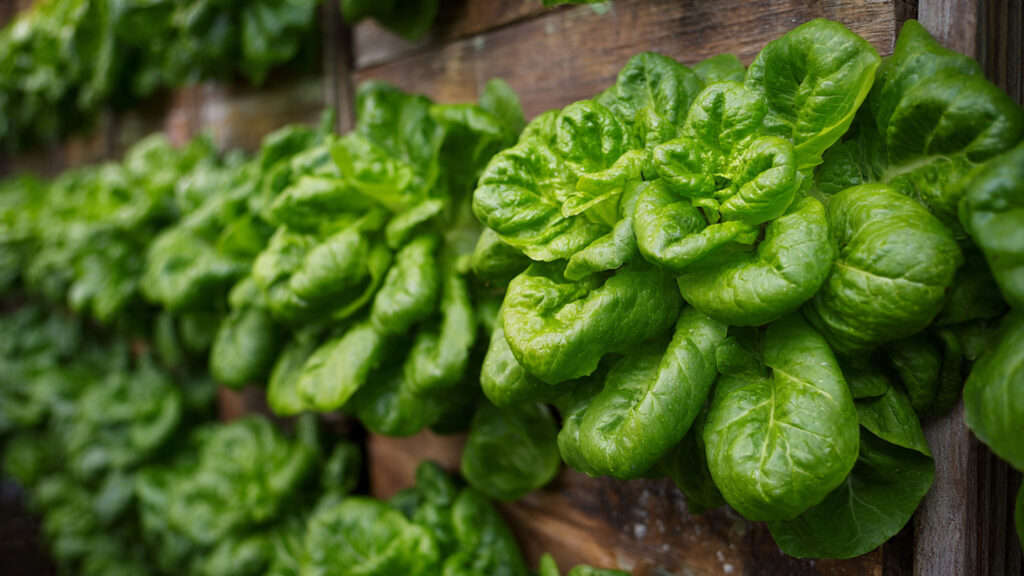
Imagine plucking fresh, crisp lettuce leaves right from your own garden without bending over, without worrying about watering schedules, and without dealing with messy soil. Sounds like a dream, right? Well, that dream is entirely possible with a self-watering hanging lettuce garden. This simple yet ingenious system allows you to enjoy vibrant, healthy greens with almost no effort, making it perfect for urban dwellers, busy families, or anyone who loves fresh produce without the hassle. In this guide, we’ll explore everything you need to know to grow your own hanging lettuce garden that practically takes care of itself.
Why Choose a Hanging Lettuce Garden?
Hanging gardens are not just a trendy way to decorate your home; they are practical and space-saving solutions for modern gardening challenges. Lettuce, in particular, thrives in containers because:
- Compact growth: Lettuce has shallow roots, making it ideal for vertical setups.
- Reduced pests: Hanging gardens keep plants off the ground, lowering the risk of common pests like slugs and snails.
- Better airflow: Suspending the plants improves air circulation, reducing the likelihood of fungal diseases.
- Easy harvesting: Leaves are at eye level, which makes picking them effortless and keeps the plant looking neat.
When combined with a self-watering system, this setup turns into a near-hands-free garden that delivers fresh greens consistently.
Understanding the Self-Watering System
The concept behind a self-watering hanging garden is simple but brilliant. Essentially, the system provides water to your lettuce gradually, keeping the soil consistently moist without overwatering. Here’s how it works:
- Reservoir: The bottom of your container holds water, which will be slowly absorbed by the soil above.
- Wicking material: A piece of cotton rope, fabric, or special wicking strip draws water from the reservoir into the soil.
- Soil container: The soil where lettuce grows stays consistently hydrated as it absorbs water from the wick.
This method ensures your lettuce has exactly the amount of moisture it needs, reducing stress on the plant and promoting crisp, tender leaves.
Materials You’ll Need
Creating your self-watering hanging lettuce garden is surprisingly easy and inexpensive. You’ll need:
- Hanging container: A hanging basket, vertical planter, or even repurposed plastic bottle or bucket.
- Reservoir: Any watertight container that fits under your planter to hold water.
- Wicking material: Cotton rope, strips of old t-shirt, or jute twine.
- Potting mix: Lightweight, well-draining soil that retains moisture. Avoid garden soil, which can compact and block the wicking.
- Lettuce seeds or seedlings: Choose from leaf lettuce varieties like romaine, butterhead, or loose-leaf.
- Optional additives: Slow-release fertilizer or organic compost to ensure your plants have enough nutrients.
Step-by-Step Guide to Building Your Garden
Step 1: Prepare the Hanging Container
Select a container with drainage holes at the bottom. If you’re repurposing a bottle or bucket, poke 2–4 small holes for water to move through. The container should be sturdy enough to support soil, water, and growing lettuce.
Step 2: Set Up the Reservoir
Place your water-holding container beneath the hanging planter. This could be a separate bucket or the bottom part of a repurposed hanging bottle. Make sure it can hold enough water for at least a week’s supply, depending on your climate.
Step 3: Install the Wicking Material
Insert one end of the cotton rope or fabric strip into the soil in your container and the other end into the reservoir. The wick will draw water up into the soil slowly, keeping it consistently moist.
Step 4: Add Soil and Plant Lettuce
Fill the hanging container with lightweight potting mix. Plant your lettuce seeds according to the package instructions, or transplant seedlings gently. Leaf lettuces are ideal because they grow quickly and can be harvested continuously.
Step 5: Fill the Reservoir
Pour water into the reservoir, allowing the wicking material to absorb it. You’ll notice the soil slowly becoming moist — that’s the magic of self-watering at work.
Step 6: Hang and Enjoy
Install hooks or a sturdy bracket in a sunny location. Lettuce prefers 4–6 hours of sunlight daily, though partial shade works in very hot climates. Your garden is now set to practically care for itself.
Tips for a Thriving Self-Watering Lettuce Garden
- Monitor water levels: While the system is self-watering, it’s good to check the reservoir once a week to ensure it’s full.
- Rotate containers: If sunlight is uneven, rotate your hanging planter every few days to ensure all leaves receive light.
- Prune regularly: Snip outer leaves to encourage continuous growth. Harvesting leaves rather than pulling the whole plant keeps lettuce producing longer.
- Avoid overfertilizing: Lettuce is sensitive to excess fertilizer, which can make leaves bitter. Use compost or mild organic fertilizers sparingly.
- Watch for pests: Even though hanging gardens reduce pests, aphids or whiteflies may appear. Spray gently with water or neem oil if needed.
Advantages Over Traditional Gardening
A self-watering hanging lettuce garden offers several benefits over conventional soil gardening:
- Time-saving: You can go away for a few days without worrying about wilting plants.
- Water-efficient: The wicking system minimizes water waste by delivering moisture directly to roots.
- Space-saving: Ideal for apartments, balconies, patios, or small yards.
- Consistent harvest: Lettuce grows faster and stays crisper because it receives steady hydration.
- Eco-friendly: You can repurpose bottles, buckets, or baskets and reduce your environmental footprint.
Choosing the Right Lettuce Varieties
While almost any lettuce will grow in a hanging system, some varieties are especially suited for container gardening:
- Romaine: Tall, crunchy leaves perfect for salads and sandwiches.
- Butterhead (Boston or Bibb): Soft, tender leaves with a mild flavor.
- Loose-leaf: Fast-growing and continuously harvestable.
- Oakleaf: Decorative, frilly leaves that add color and texture.
For beginners, loose-leaf varieties are highly recommended because they grow quickly and tolerate container life well.
➡️ How to Grow Malabar Spinach from Cuttings for Fast, Easy Greens
➡️ How to Grow Super Delicious Cabbage at Home Without a Garden
➡️ How to Grow Bean Sprouts at Home in Plastic Bottles Easily (Step‑by‑Step Guide)
➡️ Why is Your Lemon Tree Blooming in the Heart of Winter?
➡️ Why Should Your Garden Have a Dedicated Pollinator Highway?
➡️ Why Do Your Fruit Trees Need a Winter Wash to Thrive in Spring?
➡️ How Can Rice Water Transform Your Fruits into Sweeter Delights?
➡️ Jumpstart Your Winter Garden: Seed Starting Under Lights
Common Challenges and How to Overcome Them
Even a self-watering system isn’t entirely foolproof. Here’s how to handle potential problems:
- Yellowing leaves: Usually a sign of too much water or poor nutrient levels. Reduce watering or add a light fertilizer.
- Slow growth: Lettuce may need more sunlight or better-quality soil. Check light exposure and refresh potting mix if necessary.
- Algae growth in reservoir: Cover the water container or use opaque materials to block sunlight.
- Wick drying out: Ensure the wick is in direct contact with water and soil; trim if frayed.
Maximizing Your Yield
To get the most out of your hanging lettuce garden:
- Succession planting: Plant new seeds every 2–3 weeks for a continuous harvest.
- Companion planting: Consider adding herbs like basil, mint, or chives in separate sections — they thrive in similar conditions.
- Layering: If using multi-tiered vertical planters, stagger planting times to maximize space.
- Climate control: In hot climates, provide some shade during midday to prevent leaf burn.
Why This System is Perfect for Beginners
Many aspiring gardeners give up because of the complexity of watering, pest control, and soil management. The self-watering hanging lettuce garden eliminates most of these barriers:
- Minimal watering ensures your plants rarely dry out.
- Elevated containers reduce pests and weeds.
- Quick-growing lettuce provides instant satisfaction, motivating beginners to continue gardening.
It’s essentially a “set it and forget it” system that still rewards you with fresh, homegrown greens.
Final Thoughts
Growing your own lettuce doesn’t have to be a labor-intensive task. With a self-watering hanging lettuce garden, you can enjoy crisp, vibrant leaves all year round without spending hours tending to your plants. The combination of vertical gardening, a reliable watering system, and the right lettuce varieties transforms a simple hobby into a stress-free and sustainable way to produce food at home.
Whether you live in a small apartment, have a limited outdoor space, or just want the convenience of harvesting lettuce at eye level, this system is a game-changer. By following the steps in this guide, you’ll be on your way to a flourishing hanging garden that waters itself, allowing you to focus on enjoying fresh salads, sandwiches, and garnishes straight from your very own greenery.
So go ahead — hang your garden, fill the reservoir, plant your lettuce, and watch as your effortless, self-watering garden brings fresh, delicious greens right to your table. Gardening has never been this simple, fun, or rewarding!