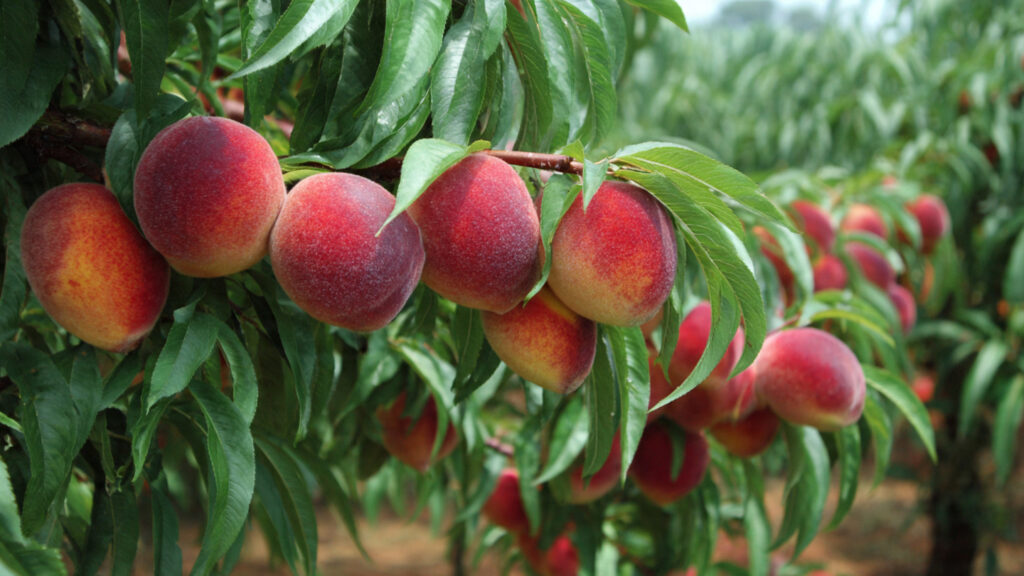
Peaches are one of the most beloved fruits in home gardens. Their sweet, juicy flavor and vibrant color make them a favorite for fresh eating, jams, and desserts. For gardeners looking to enjoy peaches early in the season, cultivating early ripening peach varieties is a smart choice. These varieties mature faster, allowing you to enjoy the harvest before the heat of summer, while also reducing the risk of damage from late-season pests or weather events.
In this comprehensive guide, we’ll explore how to successfully grow early ripening peaches, from selecting the right varieties to harvesting a bountiful crop.
Why Choose Early Ripening Peach Varieties?
Early ripening peach varieties offer several advantages over traditional late-season peaches:
- Shorter time to harvest: Some early varieties produce fruit within 3–4 years, compared to 5–6 years for standard types.
- Reduced pest and disease pressure: Harvesting early avoids peak infestations of certain insects and fungal diseases.
- Extended season: Early peaches allow for a longer fruiting window when combined with mid- and late-season varieties.
- Frost avoidance: In regions prone to late frosts, early ripening varieties may produce fruit before cold damage occurs.
By selecting early varieties suited to your climate, you can enjoy fresh peaches sooner and potentially multiple harvests in a single growing season.
Choosing the Right Early Peach Varieties
Selecting the right variety is critical for a successful harvest. Early ripening peach varieties differ in flavor, size, and hardiness, so consider your garden conditions and personal preferences. Popular early ripening peaches include:
- Elberta: Known for large, juicy fruits and excellent flavor, ripens early summer.
- Redhaven: Widely grown, flavorful, and resistant to some diseases.
- Springcrest: Sweet and aromatic, ideal for fresh eating.
- Early Crawford: Fast-growing, productive, and excellent for preserves.
Check with local nurseries to identify varieties that perform well in your specific climate. Consider disease resistance, cold tolerance, and growth habit when making your selection.
Understanding Peach Tree Requirements
Peach trees, including early ripening varieties, have specific needs:
1. Sunlight
- Full sun is essential: at least 6–8 hours daily.
- Sunlight improves sugar content and flavor while preventing fungal growth.
2. Soil
- Well-draining loamy soil is ideal.
- Slightly acidic to neutral pH (6.0–7.0) promotes healthy growth.
- Avoid heavy clay soils, which can cause root rot.
3. Space
- Standard peach trees require 12–15 feet between plants.
- Dwarf varieties need 8–10 feet.
- Adequate spacing ensures airflow, reducing disease risk.
4. Water
- Young trees require consistent watering.
- Mature trees are drought-tolerant but perform best with deep, occasional watering.
Planting Early Ripening Peach Trees
Timing and technique are important for successful establishment.
Best Time to Plant
- Plant in early spring after the last frost.
- Dormant trees transplant better and recover quickly.
Step-by-Step Planting Guide
- Dig a hole twice the width of the root ball and slightly deeper than the root depth.
- Amend the soil with compost or aged manure to provide nutrients.
- Position the tree so the graft union is 2–3 inches above soil level.
- Backfill gently and water thoroughly to settle the soil.
- Mulch around the base to retain moisture and control weeds.
Pruning for Early Fruit Production
Pruning is essential for early ripening varieties to produce abundant, high-quality fruit.
Timing
- Prune in late winter while trees are dormant.
Objectives
- Open the canopy for sunlight and airflow.
- Remove dead or damaged branches.
- Encourage fruiting wood development.
Techniques
- Use central leader or open-center pruning systems.
- Focus on developing strong, lateral branches that bear fruit.
- Regular thinning ensures larger, sweeter peaches.
Proper pruning can also reduce pest and disease problems, making trees healthier and more productive.
Fertilization and Nutrition
Early ripening peach trees benefit from balanced nutrition:
- Nitrogen: Supports leafy growth and early development.
- Phosphorus: Promotes root strength and flower production.
- Potassium: Enhances fruit size, flavor, and disease resistance.
Recommended Schedule
- Early spring: Apply balanced fertilizer before bud break.
- After fruit set: Use potassium-rich fertilizer to improve fruit quality.
- Mid-summer: Light feeding may boost late-season growth.
Avoid over-fertilizing, which can result in excessive foliage at the expense of fruiting.
Watering Tips for Early Ripening Peaches
Consistent watering is key for early fruit development:
- Young trees: Water weekly to establish roots.
- Mature trees: Water deeply every 10–14 days, depending on rainfall.
- During fruiting: Ensure soil remains moist but not waterlogged.
Mulching around the base conserves moisture and moderates soil temperature, encouraging robust growth.
Pest and Disease Management
Early peach varieties can face challenges from insects and fungi, but proactive management helps prevent issues.
➡️ How to Grow Malabar Spinach from Cuttings for Fast, Easy Greens
➡️ How to Grow Super Delicious Cabbage at Home Without a Garden
➡️ How to Grow Bean Sprouts at Home in Plastic Bottles Easily (Step‑by‑Step Guide)
➡️ Why is Your Lemon Tree Blooming in the Heart of Winter?
➡️ Why Should Your Garden Have a Dedicated Pollinator Highway?
➡️ Why Do Your Fruit Trees Need a Winter Wash to Thrive in Spring?
➡️ How Can Rice Water Transform Your Fruits into Sweeter Delights?
➡️ Jumpstart Your Winter Garden: Seed Starting Under Lights
Common Pests
- Aphids
- Peach tree borers
- Fruit flies
Common Diseases
- Peach leaf curl
- Brown rot
- Powdery mildew
Prevention Strategies
- Apply dormant oil sprays in late winter.
- Prune to improve airflow.
- Monitor regularly for early signs of pests or disease.
- Use organic or chemical controls as necessary.
Early ripening varieties may avoid some late-season pest pressure, but vigilance remains important.
Thinning Fruit for Better Quality
Peach trees naturally produce more fruit than they can fully support. Thinning helps:
- Increase individual fruit size
- Improve flavor
- Prevent branch breakage
How to Thin
- Wait until fruit is about the size of a marble.
- Remove excess fruit, leaving 6–8 inches between remaining peaches.
- Focus on evenly spaced fruits along branches.
Proper thinning results in larger, sweeter, and more uniform peaches.
Harvesting Early Ripening Peaches
Timing is everything for early varieties:
- Peaches are ripe when they have full color and a sweet aroma.
- Gently squeeze to check for slight softness.
- Harvest carefully to avoid bruising.
- Pick regularly as fruit ripens to encourage continued production.
Early varieties often produce a concentrated harvest, allowing for a quick, flavorful bounty.
Extending Your Peach Season
By combining early, mid-season, and late varieties, you can enjoy peaches throughout the summer. Early ripening peaches provide the first taste of the season and help stagger harvests to reduce storage pressure.
Benefits of Growing Early Ripening Peaches at Home
- Fresher fruit: Direct from tree to table.
- Higher yields: Early fruit avoids environmental stress.
- Better flavor: Ripe peaches have superior taste compared to store-bought.
- Gardening satisfaction: Enjoy the excitement of the first harvest each season.
With proper care, early peach trees are highly rewarding for both novice and experienced gardeners.
Tips for Beginners
- Start with disease-resistant, early ripening varieties suited to your climate.
- Prune annually to maintain shape and encourage fruiting.
- Mulch to retain soil moisture and control weeds.
- Monitor regularly for pests and diseases.
- Be patient—the first few years are crucial for establishing strong, productive trees.
Conclusion
Growing early ripening peach varieties at home is a fantastic way to enjoy fresh, flavorful fruit before the peak summer season. By selecting the right variety, providing optimal soil, sunlight, and water, and practicing proper pruning and care, you can cultivate a bountiful harvest.
Early ripening peaches not only bring joy with their sweet, juicy flavor but also allow gardeners to avoid late-season pests and diseases, extend the fruiting season, and achieve a higher yield. With consistent care and attention, your homegrown peach trees will reward you with abundant fruit year after year, transforming your garden into a delicious and productive oasis.