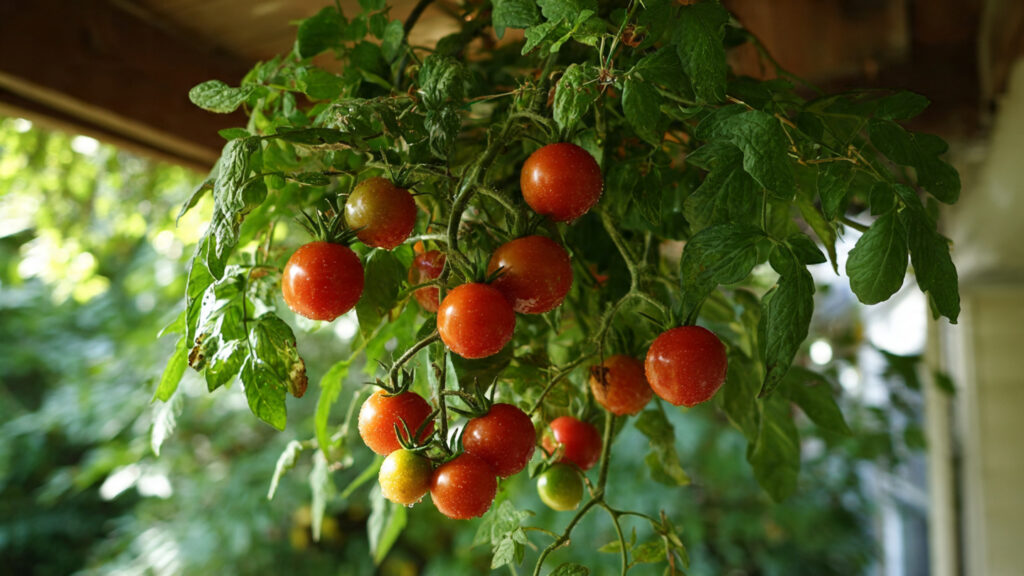
Tomatoes are a favorite for many home gardeners, but growing them in limited space can feel like a challenge. Whether you live in a small apartment, have a balcony, or just want to make the most of your backyard, a hanging tomato garden is a game-changer. Not only does it save space, but it also helps keep your plants healthy, reduces pests, and makes harvesting easy. In this article, I’ll share my step-by-step journey in creating a hanging tomato garden, along with tips and tricks for maximizing space and growing juicy, flavorful tomatoes anywhere.
Why Hanging Tomato Gardens Work
Hanging gardens offer several unique benefits over traditional ground planting:
- Space Efficiency: Vertical gardening uses unused overhead space, freeing up room below for other plants or outdoor activities.
- Improved Air Circulation: Suspending tomatoes reduces the risk of fungal diseases like blight, which thrive in damp, crowded conditions.
- Ease of Harvesting: Fruits hang at eye level or within easy reach, so you don’t have to bend over or search through dense foliage.
- Pest Control: Many crawling insects, such as slugs and ground-dwelling pests, are less likely to reach hanging plants.
- Aesthetic Appeal: A hanging tomato garden doubles as a beautiful decorative feature for patios, balconies, or indoor spaces with strong light.
Choosing the Right Tomato Varieties
Not all tomato plants are suitable for hanging gardens. When planning your vertical setup, select varieties that thrive in containers and tolerate pruning:
- Cherry and Grape Tomatoes: These small, lightweight fruits are perfect for hanging baskets because they won’t weigh down the plant excessively.
- Determinate Varieties: These bush-type tomatoes grow to a set height and produce fruit in a concentrated period, making them manageable in hanging containers.
- Indeterminate Varieties: While they can produce larger yields over longer periods, they require regular pruning and support in hanging gardens.
Personally, I found cherry tomatoes ideal for my hanging garden. They grow quickly, produce clusters of juicy fruits, and their compact size prevents overcrowding in containers.
Selecting Containers for Hanging Tomatoes
The right container is crucial for a healthy hanging tomato garden. Here’s what to look for:
- Material: Plastic, fabric, or lightweight ceramic pots work well. Avoid heavy ceramic if you plan to hang them high.
- Size: Tomatoes need at least 12 inches of depth for roots to develop. A 12–16 inch diameter pot is ideal for a single plant.
- Drainage: Make sure the container has sufficient drainage holes to prevent waterlogging, which can lead to root rot.
I chose sturdy plastic pots with pre-drilled drainage holes and added coconut coir at the bottom for extra water retention. Using lightweight materials allowed me to hang multiple pots without worrying about support strength.
Preparing Soil and Fertilizer
Tomatoes are heavy feeders, so using nutrient-rich soil is key. Here’s my soil mix for hanging tomato plants:
- 2 parts quality potting soil
- 1 part compost
- 1 part coconut coir or peat moss
- Optional: a handful of perlite for better aeration
I also added slow-release fertilizer pellets into the soil before planting. During the growing season, I supplement with liquid tomato fertilizer every 2–3 weeks to ensure the plants get enough nutrients.
Planting Tomatoes in Hanging Containers
Planting tomatoes in hanging containers requires some care:
- Transplant Carefully: If starting with seedlings, dig a hole slightly larger than the root ball. Place the plant deep enough that the first true leaves are above the soil line.
- Water Immediately: Water thoroughly after transplanting to settle the soil and reduce transplant shock.
- Support the Plant: Even in hanging containers, indeterminate varieties need support. I used small tomato cages or tied the main stem loosely to the hanging hook.
Tip: For extra stability, gently twist the soil around the base of the plant after watering. This helps anchor the roots.
Choosing a Location
Light is the most critical factor for hanging tomato gardens. Tomatoes need:
- Full Sun: At least 6–8 hours of direct sunlight daily.
- Sheltered Area: Protect from strong winds, which can damage stems and cause fruit drop.
- Easy Access: Position pots so they are easy to water, prune, and harvest.
I hung my containers from a balcony railing where they received morning sun and partial afternoon shade. This prevented leaves from scorching during peak heat.
Watering Tips for Hanging Tomato Gardens
Hanging containers dry out faster than ground soil, so consistent watering is crucial:
- Check Daily: Stick your finger into the soil. Water when the top inch feels dry.
- Water Deeply: Ensure water reaches the bottom of the container to encourage deep root growth.
- Avoid Wet Foliage: Water the soil, not the leaves, to reduce the risk of fungal diseases.
I also installed a simple drip irrigation system using a small timer and tubing for automated watering. This keeps the soil consistently moist without overwatering.
Pruning and Training Hanging Tomato Plants
Pruning and training help maximize fruit production and prevent overcrowding:
➡️ How to Grow Malabar Spinach from Cuttings for Fast, Easy Greens
➡️ How to Grow Super Delicious Cabbage at Home Without a Garden
➡️ How to Grow Bean Sprouts at Home in Plastic Bottles Easily (Step‑by‑Step Guide)
➡️ Why is Your Lemon Tree Blooming in the Heart of Winter?
➡️ Why Should Your Garden Have a Dedicated Pollinator Highway?
➡️ Why Do Your Fruit Trees Need a Winter Wash to Thrive in Spring?
➡️ How Can Rice Water Transform Your Fruits into Sweeter Delights?
➡️ Jumpstart Your Winter Garden: Seed Starting Under Lights
- Remove Suckers: Cut off small shoots that grow between the main stem and leaf branches. This directs energy toward fruiting.
- Trim Excess Foliage: Ensure air circulation around the plant by removing some lower leaves.
- Tie Stems: Use soft garden ties to gently secure the plant to the container hook or trellis for support.
I usually prune weekly, which keeps the plants manageable in hanging containers and encourages larger, juicier fruits.
Fertilization During Growth
Tomatoes are heavy feeders, and hanging plants need supplemental nutrition:
- Liquid Fertilizer: Feed every 2–3 weeks with a balanced tomato fertilizer high in potassium for fruiting.
- Organic Options: Fish emulsion, seaweed extract, or compost tea are excellent organic fertilizers for hanging gardens.
- Avoid Overfertilizing: Too much nitrogen leads to lush foliage but fewer fruits.
I alternate between organic and liquid fertilizers, which ensures steady growth and vibrant fruits.
Dealing with Common Problems
Even in hanging gardens, tomato plants can face challenges:
- Yellowing Leaves: Often caused by nutrient deficiency or inconsistent watering.
- Blossom End Rot: Usually due to calcium deficiency or fluctuating soil moisture. Adding crushed eggshells to the soil can help prevent it.
- Pests: Aphids, whiteflies, and spider mites can affect hanging plants. Use insecticidal soap or neem oil as needed.
- Fungal Diseases: Keep foliage dry and ensure proper spacing between plants.
Monitoring your plants daily helps catch problems early and keeps the hanging garden thriving.
Harvesting Tomatoes
The best part of a hanging tomato garden is the harvest:
- Timing: Harvest when fruits are fully colored and slightly soft to the touch.
- Gentle Handling: Twist or cut fruits to avoid damaging the plant.
- Continuous Picking: Regular harvesting encourages more flowering and fruit production.
Cherry and grape tomatoes in my hanging garden start producing abundantly around 8–10 weeks after transplanting, giving me a steady supply for salads, sauces, and snacking.
Tips for Maximizing Space in Hanging Gardens
- Use Multiple Levels: Hang containers at different heights for a vertical tomato wall effect.
- Combine Plants: Pair tomatoes with trailing herbs like basil or oregano in the same container for companion planting.
- Rotate Varieties: Mix early and late-season varieties to extend the harvest period.
By stacking and grouping containers creatively, you can grow a surprising number of tomatoes even in a small balcony or patio.
Conclusion
Creating a hanging tomato garden transformed my home gardening experience. Not only did it maximize space, but it also allowed me to grow juicy, healthy tomatoes right outside my door. With the right containers, soil, sunlight, and care, anyone can replicate this system—whether in an apartment, balcony, or backyard. Hanging tomato gardens prove that even limited space can yield bountiful harvests.
By carefully selecting varieties, maintaining proper watering and fertilization, and keeping an eye on pests and diseases, you can enjoy fresh, flavorful tomatoes all season long. This approach is perfect for modern gardeners who want productivity, aesthetics, and convenience—all in one vertical setup.