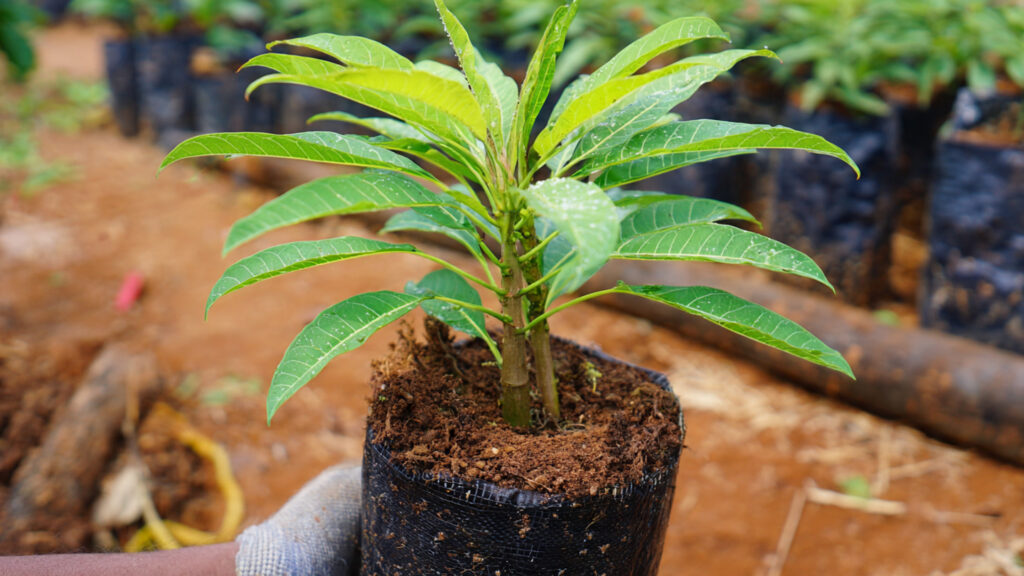
Mango trees are beloved for their delicious fruits and shade-providing foliage, but growing them from seed or traditional grafting methods can be slow and sometimes unpredictable. Imagine a method that accelerates growth, strengthens the tree, and potentially boosts fruit production. This is where the innovative banana-assisted grafting technique comes in. In this guide, we’ll explore how using bananas in mango tree grafting can give you faster, healthier, and stronger mango trees.
Why Consider Grafting Mango Trees?
Grafting is a horticultural method where tissues from one plant are joined with another so that they grow as a single plant. For mango trees, grafting has several benefits:
- Faster Fruit Production – Grafted trees often bear fruit sooner than seed-grown trees.
- Uniform Fruit Quality – Ensures the new tree inherits the fruit characteristics of the parent.
- Disease Resistance – Grafting onto hardy rootstocks can increase resilience.
- Stronger Growth – The right grafting techniques can encourage more vigorous and healthy growth.
Traditionally, mango grafting involves methods like veneer grafting, cleft grafting, or approach grafting. However, recent experimentation has shown that using bananas in the process can enhance growth in ways that conventional grafting doesn’t always achieve.
The Science Behind Using Bananas in Mango Grafting
At first glance, using bananas to graft mango trees might seem unusual, but there’s scientific reasoning behind it:
- Bananas Release Growth Hormones – Bananas naturally contain auxins and cytokinins, plant hormones that promote root and shoot development.
- Moisture Retention – Banana flesh helps retain moisture around the graft site, reducing stress on the young tissue.
- Nutrient Supply – The sugars and potassium in bananas provide a mild, natural nutrient boost that encourages healthy tissue union.
- Protection from Infection – Wrapping the graft in banana can create a protective barrier against pathogens and pests.
By integrating bananas into the grafting process, growers have observed faster callus formation (the healing tissue at the graft site) and stronger, more vigorous shoots.
Materials Needed for Banana-Assisted Mango Grafting
Before starting, gather the following materials:
- A healthy mango scion (the upper part of the plant you want to propagate).
- A mango rootstock (young tree or seedling).
- A ripe, but not overly soft, banana.
- Sharp grafting knife or clean utility knife.
- Plastic wrap or grafting tape to secure the graft.
- Rubber bands or clips for stability.
- Optional: Honey or fungicide to protect the graft site.
Having everything ready beforehand ensures a smooth grafting process and reduces the risk of contamination.
Step-by-Step Guide: Grafting Mango Trees Using Bananas
Follow these steps for a successful banana-assisted mango graft:
Step 1: Prepare the Rootstock
Select a healthy mango seedling or young tree with a strong stem. Trim any damaged leaves or branches near the grafting site. Make a clean, straight cut on the rootstock to provide a fresh surface for grafting.
Step 2: Prepare the Scion
Choose a scion from a healthy mango tree that has produced high-quality fruits. The scion should be about 6–12 inches long with 2–3 nodes. Trim the bottom of the scion into a wedge shape for easy insertion into the rootstock.
Step 3: Slice the Banana
Cut a section of banana roughly the same diameter as the graft site. Peel it carefully, exposing the soft inner flesh. This will act as a natural grafting medium, providing moisture, nutrients, and hormonal support.
Step 4: Position the Banana
Place the banana slice around the graft site of the rootstock. You can create a small notch in the banana to hold the scion securely. The banana flesh should touch both the scion and the rootstock to encourage hormonal exchange and moisture retention.
Step 5: Insert the Scion
Carefully insert the wedge-shaped scion into the prepared rootstock cut, ensuring it comes into contact with the banana flesh. The goal is to align the vascular tissues of the scion and rootstock as closely as possible for optimal healing.
Step 6: Secure the Graft
Wrap the grafted area with plastic wrap or grafting tape to hold the scion in place. Ensure the banana slice remains snug against the graft. Use rubber bands or clips to stabilize the structure. Avoid excessive pressure that could damage the tissue.
Step 7: Protect and Maintain
Place the grafted tree in partial shade for the first few weeks. Monitor for moisture, keeping the banana and graft site slightly hydrated but not overly wet. If needed, replace the banana every 7–10 days to prevent rot while maintaining hormonal and nutrient support.
➡️ How to Grow Malabar Spinach from Cuttings for Fast, Easy Greens
➡️ How to Grow Super Delicious Cabbage at Home Without a Garden
➡️ How to Grow Bean Sprouts at Home in Plastic Bottles Easily (Step‑by‑Step Guide)
➡️ Why is Your Lemon Tree Blooming in the Heart of Winter?
➡️ Why Should Your Garden Have a Dedicated Pollinator Highway?
➡️ Why Do Your Fruit Trees Need a Winter Wash to Thrive in Spring?
➡️ How Can Rice Water Transform Your Fruits into Sweeter Delights?
➡️ Jumpstart Your Winter Garden: Seed Starting Under Lights
Post-Grafting Care
Once the graft has taken, the mango tree will need consistent care to ensure strong growth:
- Watering – Water regularly, keeping soil moist but not waterlogged. Avoid letting the graft site dry out.
- Sunlight – Gradually expose the grafted tree to more sunlight over 2–3 weeks.
- Fertilization – Use a balanced fertilizer or compost to support growth. Avoid high nitrogen fertilizers initially, as they can stress the graft site.
- Pruning – Once the scion shows vigorous growth, remove any competing shoots from the rootstock. This ensures the scion receives all nutrients and energy.
- Monitoring – Watch for pests or fungal infections. Banana slices can attract insects, so keep the area clean and replace banana regularly.
Advantages of Banana-Assisted Grafting
This method offers several benefits compared to traditional grafting:
- Faster Callus Formation – Mango grafts develop healing tissue more quickly with the natural hormones in bananas.
- Stronger, Healthier Growth – The nutrients and moisture boost create a more vigorous union.
- Higher Success Rate – By reducing stress and dehydration at the graft site, banana-assisted grafting improves the likelihood of a successful graft.
- Eco-Friendly – No synthetic growth hormones or expensive rooting gels are needed; just a simple banana.
Many growers report that grafted mango trees using bananas grow 20–30% faster in the first 3–6 months compared to traditional methods.
Tips for Maximum Success
- Use Ripe, But Firm Bananas – Overripe bananas can rot quickly, while very hard bananas may not provide sufficient moisture.
- Clean Tools – Always sterilize knives and scissors to prevent infections.
- Match Scion and Rootstock Sizes – Closer diameters improve vascular alignment and increase graft success.
- Monitor Humidity – Maintaining moderate humidity around the graft promotes faster healing.
- Be Patient – While growth is faster than traditional methods, the graft will still take several weeks to fully unite.
Potential Challenges and Solutions
- Banana Rot – Replace banana slices every 7–10 days to prevent decay.
- Pest Attraction – Cover the graft carefully with wrap and keep the area clean.
- Poor Alignment – Ensure the vascular tissues of scion and rootstock touch directly for optimal grafting success.
- Environmental Stress – Avoid extreme sunlight, wind, or drought during the first month post-grafting.
With careful monitoring and consistent care, these challenges are easily managed, making banana-assisted grafting a practical method for home gardeners and commercial growers alike.
Conclusion
The banana-assisted grafting technique for mango trees is a revolutionary approach that combines traditional horticulture with natural plant hormones to achieve faster, stronger, and healthier growth. By using a simple banana slice at the graft site, you provide your mango tree with moisture, nutrients, and hormonal support that accelerates healing and growth.
Whether you are a beginner gardener or an experienced mango grower, this method offers an exciting new way to propagate high-quality mango trees with a higher success rate. With proper care, patience, and attention to detail, your banana-assisted grafted mango tree can grow vigorously and potentially bear delicious, high-quality fruits years earlier than conventional methods.
So next time you think about grafting mango trees, remember: the humble banana could be your secret weapon for faster, stronger growth. Try this amazing technique today, and watch your mango trees flourish like never before!