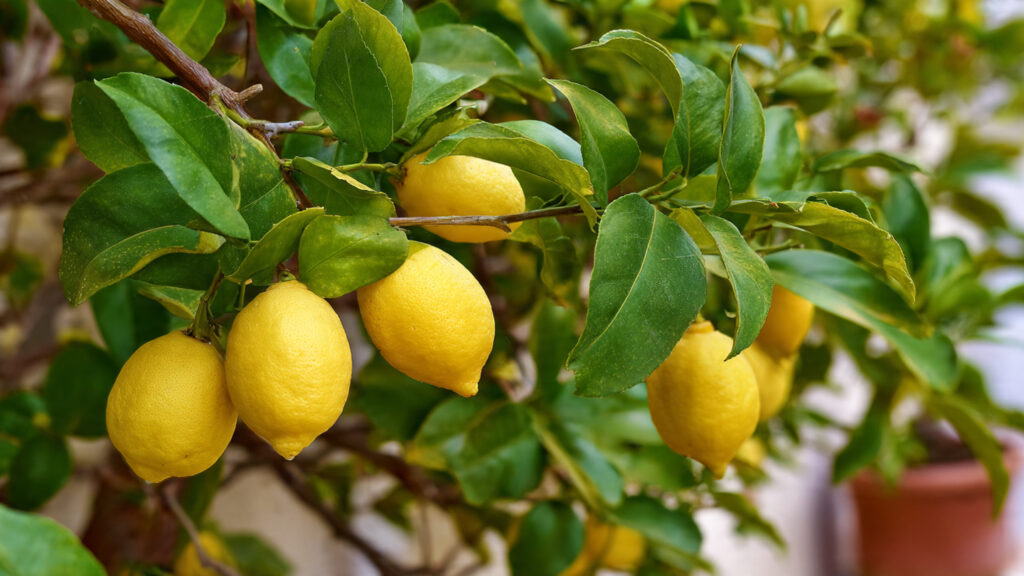
Lime trees are a prized addition to any garden or orchard. Their aromatic leaves, vibrant green foliage, and zesty fruit make them both beautiful and practical. However, achieving a lime tree that produces abundant, high-quality fruit requires careful management. One of the most effective techniques to enhance growth and fruit production is top working, a horticultural method that allows gardeners to change varieties, rejuvenate old trees, or improve productivity.
This comprehensive guide will walk you through everything you need to know about lime tree top working, from preparation to expert tips for ensuring amazing growth and bountiful harvests.
What is Top Working?
Top working is the process of grafting a new variety or scion onto an existing tree. It allows gardeners to:
- Change varieties – Convert an underperforming or less desirable lime variety into a superior one.
- Rejuvenate old trees – Revive declining trees that are no longer productive.
- Enhance fruit quality – Introduce disease-resistant or higher-yielding varieties.
- Create multiple varieties – Graft different lime types onto a single tree for diverse harvests.
This technique is widely used by commercial growers and home gardeners alike because it combines the strength of an established rootstock with the productivity of a superior scion.
Why Top Work Your Lime Tree?
Lime trees can live for decades, but not all trees are naturally productive or disease-resistant. Top working allows you to:
- Maximize yield on existing trees.
- Improve fruit size, flavor, and consistency.
- Reduce the time required to grow a new tree from seed.
- Introduce varieties better suited to your climate.
In short, top working transforms an ordinary lime tree into a high-performing, fruit-bearing marvel.
Step 1: Selecting the Right Rootstock
The success of top working begins with the rootstock—the existing tree onto which you will graft a new scion.
Ideal Rootstock Characteristics:
- Healthy, vigorous, and disease-free.
- Strong roots capable of supporting the new growth.
- Compatible with the desired lime variety.
- For older trees, avoid those with severe decline or root damage.
Some commonly used lime rootstocks include Rough Lemon, Trifoliate Orange, and local lime seedlings that are well-adapted to your climate.
Step 2: Choosing the Right Scion
The scion is the portion of the plant you are grafting onto the rootstock. Selecting the right scion is critical:
- Choose scions from healthy, productive trees.
- Opt for varieties with desirable traits—flavor, size, disease resistance, or early fruiting.
- Take scion wood that is mature but not woody; typically 6–12 inches long with several buds.
- Ensure the timing of scion collection aligns with the tree’s dormant or active growth phase.
Healthy scions increase the chances of successful grafting and vigorous growth.
Step 3: Timing Your Top Work
Timing is crucial for graft success. The ideal time to top work lime trees is:
- Early spring – Just before active growth begins, when sap is rising.
- Late winter – In tropical climates, when the tree is still in a semi-dormant state.
Avoid grafting during periods of stress, extreme heat, or heavy rainfall, as this reduces the success rate.
Step 4: Preparing the Rootstock
Proper preparation of the rootstock is key:
- Select strong, disease-free branches for grafting.
- Remove any damaged, weak, or unwanted branches.
- Make a clean, sloping cut on the branch or trunk where the scion will be attached.
- Ensure the cut is smooth and free from jagged edges, which can prevent proper cambial contact.
A well-prepared rootstock provides a solid foundation for successful grafting and rapid growth.
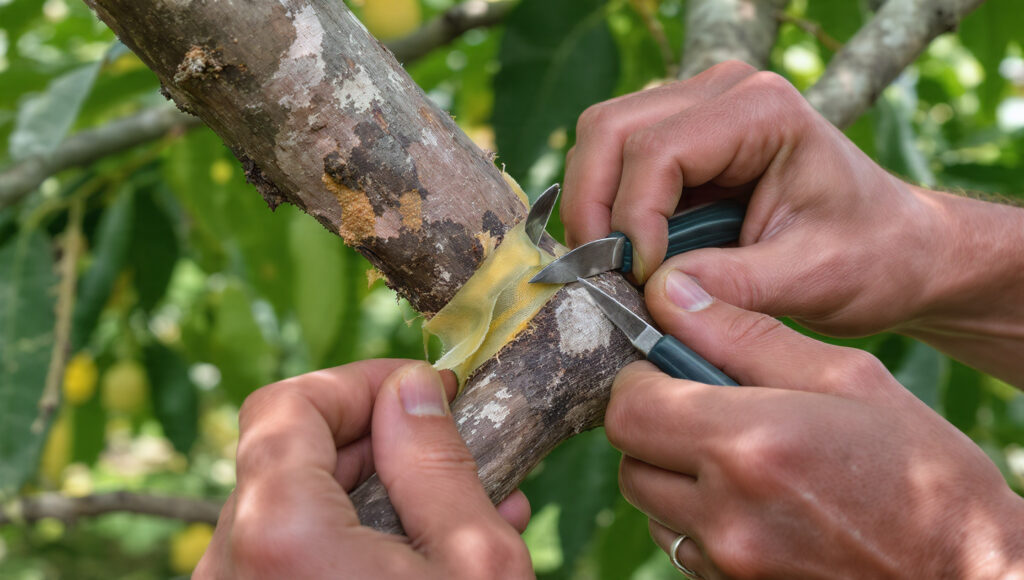
Step 5: Grafting Techniques for Lime Trees
There are several grafting techniques suitable for lime trees, depending on the size and condition of the rootstock:
➡️ How to Grow Malabar Spinach from Cuttings for Fast, Easy Greens
➡️ How to Grow Super Delicious Cabbage at Home Without a Garden
➡️ How to Grow Bean Sprouts at Home in Plastic Bottles Easily (Step‑by‑Step Guide)
➡️ Why is Your Lemon Tree Blooming in the Heart of Winter?
➡️ Why Should Your Garden Have a Dedicated Pollinator Highway?
➡️ Why Do Your Fruit Trees Need a Winter Wash to Thrive in Spring?
➡️ How Can Rice Water Transform Your Fruits into Sweeter Delights?
➡️ Jumpstart Your Winter Garden: Seed Starting Under Lights
1. Cleft Graft
- Ideal for large branches or trunks.
- Split the rootstock and insert a wedge-shaped scion.
- Ensure cambium layers align for proper healing.
2. Side-Veneer Graft
- Suitable for smaller branches.
- Make a sloping cut on the side of the branch and insert the scion.
- Wrap securely to maintain moisture and stability.
3. T-Budding
- Often used for younger rootstocks.
- Make a T-shaped cut and insert a single bud from the scion.
Regardless of the technique, the key is ensuring tight cambial contact between scion and rootstock, as this is where the union forms.
Step 6: Securing the Graft
After grafting, secure the scion with:
- Grafting tape or rubber strips – Provides stability and prevents drying.
- Wax or sealant – Protects the exposed area from pests, pathogens, and moisture loss.
Wrap carefully without damaging the scion buds. Check periodically and remove bindings once the graft has successfully united.
Step 7: Aftercare for Successful Growth
Proper aftercare ensures the grafted lime tree thrives:
- Water regularly but avoid waterlogging.
- Maintain a balanced fertilization schedule to support new growth.
- Protect grafts from direct sun, wind, or heavy rain in the early stages.
- Prune competing shoots that may divert energy from the scion.
Most grafts will begin showing signs of growth within 4–6 weeks if conditions are ideal.
Step 8: Encouraging Fruit Production
Once your scion has established, you can encourage fruiting with careful management:
- Pruning: Remove excessive vegetative growth to focus energy on fruit development.
- Fertilization: Apply fertilizers rich in phosphorus and potassium during flowering and fruiting.
- Irrigation: Consistent watering supports healthy fruit set.
- Pest and disease management: Monitor regularly and apply organic or chemical controls as needed.
With proper care, grafted lime trees can start bearing fruit within 1–2 years, much faster than trees grown from seed.
Step 9: Common Problems and Solutions
Even with expert top working, lime trees can face challenges:
- Graft failure: Often caused by poor cambial contact, incorrect timing, or stress. Remove failed scions and retry.
- Pest infestation: Aphids, scale, or citrus leaf miners can damage new growth. Use organic sprays or manual control.
- Nutrient deficiencies: Yellowing leaves may indicate nitrogen or magnesium deficiency; supplement with appropriate fertilizers.
- Excessive vegetative growth: Prune strategically to redirect energy to fruit production.
Regular monitoring and proactive management increase the success of top working and the productivity of your lime tree.
Step 10: Long-Term Care
Top worked lime trees require ongoing care to maintain vigor and productivity:
- Mulch around the base to retain moisture and suppress weeds.
- Fertilize 3–4 times per year with a balanced citrus fertilizer.
- Prune annually to remove dead, diseased, or overcrowded branches.
- Monitor for pests and diseases, and act promptly if detected.
A well-maintained grafted lime tree can produce high-quality fruit for decades.
Expert Tips for Amazing Growth
- Select vigorous rootstocks – A strong foundation ensures scions thrive.
- Use multiple scions – Top working with different varieties increases harvest diversity.
- Timing is everything – Early spring grafting maximizes sap flow and healing.
- Monitor weather conditions – Protect grafts from extreme heat or frost.
- Patience pays off – Don’t rush pruning or harvesting; allow the tree to establish first.
Benefits of Top Worked Lime Trees
- Faster fruit production than seed-grown trees.
- Improved fruit quality and consistency.
- Ability to rejuvenate old or underperforming trees.
- Opportunity to grow multiple lime varieties on a single tree.
Top working is a practical, rewarding technique that allows gardeners to maximize both growth and harvest potential.
Final Thoughts
Lime tree top working is a powerful method for gardeners seeking abundant, high-quality fruit from their trees. By carefully selecting rootstocks and scions, grafting at the right time, and providing expert aftercare, you can transform an ordinary lime tree into a prolific, productive marvel.
The rewards of top working go beyond just fruit production. Healthy, grafted lime trees provide fragrant foliage, beautiful foliage structure, and the satisfaction of mastering a proven horticultural technique. Whether you are a hobbyist gardener or an aspiring citrus enthusiast, these expert tips will ensure your lime tree thrives, producing amazing growth and a harvest that delights season after season.