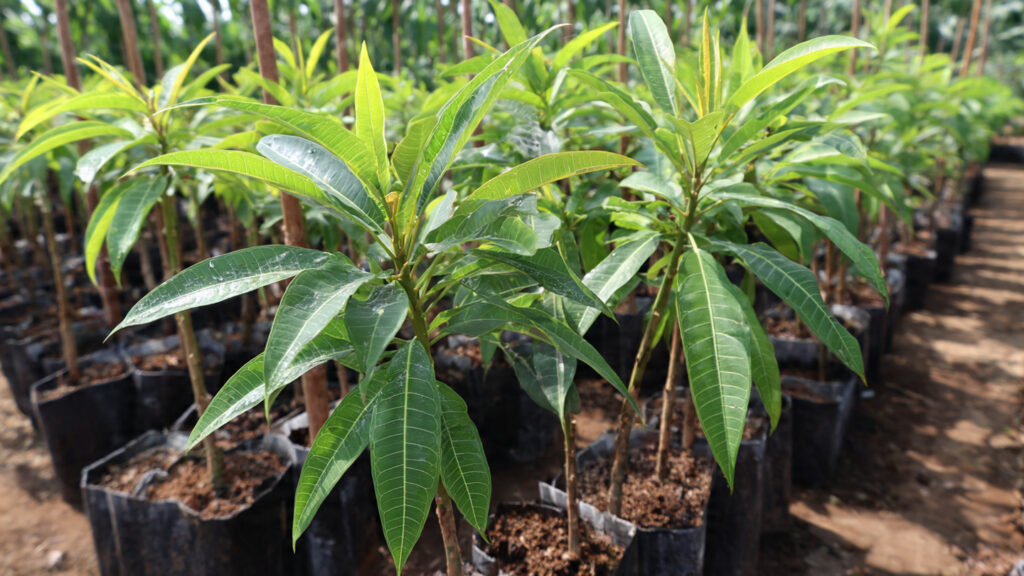
Mango is often called the “king of fruits,” loved for its rich sweetness, tropical aroma, and nutritional value. Traditionally, growing a mango tree required patience—sometimes waiting five to eight years before seeing the first fruits. But modern horticultural techniques are transforming how gardeners and small growers propagate mango trees. With smarter methods and improved plant management, you can now grow mango trees faster, stronger, and more productive than ever before.
In this guide, we explore next-generation mango propagation techniques that combine science, efficiency, and practical home gardening strategies to help you produce healthier and more fruitful trees.
Understanding Mango Basics
The mango tree, scientifically known as Mangifera indica, is a tropical evergreen species that thrives in warm climates. It can grow large when planted in open ground, but modern propagation methods allow for controlled growth even in smaller spaces.
Mango trees can be propagated in several traditional ways:
- Seed propagation
- Grafting
- Air layering
- Budding
However, seed-grown mango trees often take many years to fruit and may not produce fruit identical to the parent plant. That’s why advanced propagation techniques focus on improving speed, strength, and fruit quality.
Why Traditional Seed Growing Is Slow
When you grow mango from seed:
- The tree may take 5–8 years to fruit.
- Fruit quality can vary.
- The plant may grow too tall before fruiting.
Seed propagation is unpredictable because mango seeds carry genetic variation. While it’s exciting to grow from seed, it’s not ideal if you want consistent, early fruit production.
This is where next-generation propagation techniques come in.
The New Idea: High-Vigor Rootstock + Precision Grafting
Modern mango propagation focuses on combining strong root systems with proven fruit-producing varieties. The key concept is simple:
Use a vigorous rootstock and graft a high-quality scion variety onto it.
This method produces trees that:
- Fruit faster (often in 2–3 years)
- Stay more compact
- Produce predictable fruit quality
- Develop stronger disease resistance
Let’s break down how this works.
Step 1: Selecting a Strong Rootstock
Rootstock determines the strength, disease resistance, and growth behavior of the tree.
For next-generation propagation:
- Use polyembryonic mango varieties as rootstock (these produce uniform seedlings).
- Select healthy, fast-growing seedlings.
- Ensure the stem thickness is pencil-sized before grafting.
A strong root system ensures better nutrient absorption and faster establishment.
➡️ How to Grow Malabar Spinach from Cuttings for Fast, Easy Greens
➡️ How to Grow Super Delicious Cabbage at Home Without a Garden
➡️ How to Grow Bean Sprouts at Home in Plastic Bottles Easily (Step‑by‑Step Guide)
➡️ Why is Your Lemon Tree Blooming in the Heart of Winter?
➡️ Why Should Your Garden Have a Dedicated Pollinator Highway?
➡️ Why Do Your Fruit Trees Need a Winter Wash to Thrive in Spring?
➡️ How Can Rice Water Transform Your Fruits into Sweeter Delights?
➡️ Jumpstart Your Winter Garden: Seed Starting Under Lights
Step 2: Choosing the Right Scion
The scion is the cutting taken from a mature, fruit-producing mango tree. This ensures the new tree produces identical fruit.
Choose scion wood that is:
- Healthy and disease-free
- From a high-yielding tree
- 3–4 months old
- Firm but not too woody
Popular productive varieties vary by region, but selecting a locally adapted variety ensures better success.
Step 3: Precision Grafting Techniques
The most successful modern mango propagation methods include:
1. Veneer Grafting
One of the most reliable techniques for mango trees. A small slice is made on the rootstock and scion so they fit tightly together.
2. Cleft Grafting
The rootstock is cut and split, and the scion is inserted into the split.
3. Softwood Grafting
Performed when the rootstock is young and flexible, promoting faster healing.
Among these, veneer grafting is widely used for higher success rates.
Secure the graft union with grafting tape and cover with a plastic bag to maintain humidity until healing occurs.
The Next-Level Boost: Controlled Growth Environment
Modern growers don’t stop at grafting. They optimize growing conditions immediately after grafting to speed development.
Provide:
- Warm temperatures (25–35°C)
- Bright indirect sunlight
- High humidity during early graft healing
- Balanced watering
This controlled approach dramatically improves graft success rates and growth speed.
The Game-Changer: Early Pruning & Canopy Management
Here’s where next-generation thinking truly shines.
Instead of allowing the mango tree to grow tall and wild, strategic early pruning encourages:
- Strong branch framework
- Shorter, manageable height
- Earlier flowering
- Better air circulation
Once the graft begins active growth:
- Pinch the top when it reaches 60–80 cm.
- Encourage 3–4 lateral branches.
- Maintain an open canopy structure.
This method shifts the plant’s energy toward fruiting rather than vertical growth.
Nutrient Strategy for Faster Fruiting
Modern mango propagation also includes smarter feeding techniques.
During Vegetative Growth:
- Balanced fertilizer (NPK 10-10-10)
- Organic compost
Before Flowering:
- Higher potassium and phosphorus
- Reduce nitrogen
This encourages flower formation and fruit development rather than excessive leafy growth.
Adding micronutrients like zinc and magnesium improves overall plant health.
Container Mango Propagation – A Modern Twist
One exciting advancement is growing grafted mango trees in large containers.
Benefits:
- Easier management
- Controlled root growth
- Suitable for small spaces
- Faster fruiting due to slight root restriction
Use 50–70 liter containers with excellent drainage. Prune roots lightly every few years to maintain tree size.
This approach is ideal for rooftop or terrace gardeners.
Stress-Induced Flowering Technique
Another innovative idea used by advanced growers is controlled stress.
Mango trees often flower in response to mild stress such as:
- Slightly reduced watering
- Cooler night temperatures
- Controlled root restriction
When used carefully, this technique encourages earlier and heavier flowering.
However, stress should be mild and temporary—never severe enough to damage the plant.
Benefits of Next-Generation Mango Propagation
Using these modern techniques results in:
- Fruiting in 2–3 years instead of 5–8
- Stronger disease resistance
- Compact tree size
- Higher fruit quality
- More predictable harvest
For home gardeners and small-scale growers, this means quicker returns and more manageable trees.
Common Mistakes to Avoid
Even advanced techniques require careful handling.
Avoid:
- Grafting during cold weather
- Using weak or diseased scion wood
- Overwatering newly grafted plants
- Ignoring pruning
- Over-fertilizing with nitrogen
Patience and observation are key to long-term success.
The Future of Mango Growing
Next-generation mango propagation combines:
- Strong rootstock selection
- Precision grafting
- Smart pruning
- Nutrient management
- Environmental control
It’s not about complicated technology—it’s about smarter plant management.
As gardening continues evolving, these improved propagation techniques allow even small-space gardeners to enjoy high-yield mango production.
Final Thoughts
Growing mango trees no longer requires years of waiting and unpredictable results. With next-generation propagation techniques, you can grow mango trees faster, stronger, and more fruitful using proven horticultural strategies.
By combining vigorous rootstock, quality scion selection, precise grafting, and intelligent canopy management, you create a tree designed for productivity from the start.
Whether you’re planting in your backyard or growing in containers, this modern approach helps you harvest sweet, juicy mangoes sooner than ever before.