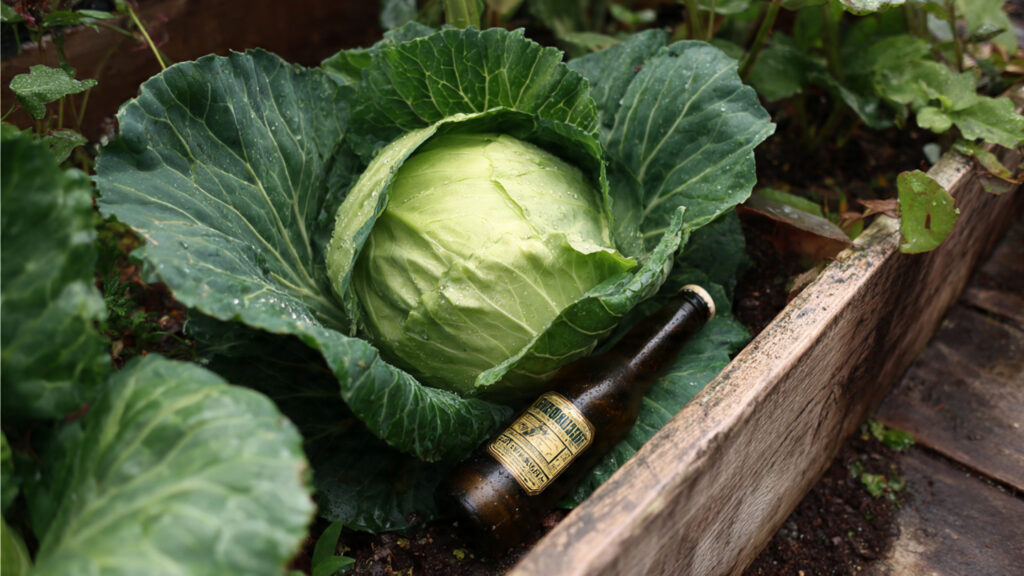
Growing large, healthy cabbage heads can seem like a challenge, especially if you’re limited on space or don’t have access to a traditional garden. But with a simple bottle gardening hack, you can achieve impressive results using minimal materials and space. This method is not only cost-effective and beginner-friendly, but it also allows you to grow cabbage in small areas such as balconies, patios, or even indoors with sufficient light.
Cabbage, scientifically known as Brassica oleracea var. capitata, is a cool-season crop that thrives in nutrient-rich soil and consistent care. By using recycled bottles as containers, you can control soil quality, moisture levels, and nutrients to encourage the development of big, firm heads. This guide will walk you step-by-step from setup to harvest, ensuring a productive cabbage harvest with minimal effort.
Why Bottle Gardening Works for Cabbage
Bottle gardening is a form of container gardening that maximizes limited space. The technique works well for cabbage because:
- Root Control: Cabbage has a compact root system that thrives in deep containers. Bottles allow you to control soil depth and density.
- Nutrient Management: Growing in a bottle makes it easier to feed plants consistently.
- Space Efficiency: You can grow multiple cabbage plants in a small area.
- Mobility: Bottles are lightweight and can be moved to optimize sunlight or protect against pests.
By creating a controlled environment, cabbage plants are less stressed and can focus energy on forming larger heads.
Choosing the Right Bottle
Not all bottles are suitable for growing cabbage. Here’s what to consider:
Size
- Use large plastic bottles, ideally 2 liters or more.
- Taller bottles provide enough depth for root development, while wider bottles give the head room to grow.
Material
- Use food-grade plastic bottles to avoid chemicals leaching into the soil.
- Clear bottles can be used, but consider painting or wrapping them to protect roots from direct sunlight.
Drainage
- Drill 3–5 small holes in the bottom to ensure proper drainage.
- Excess water must escape to prevent root rot.
Preparing the Bottles
Proper preparation is crucial for plant health.
Step 1: Clean the Bottles
- Wash thoroughly with warm water.
- Remove any labels to prevent mold growth.
Step 2: Cut or Modify if Needed
- You can cut the top off a large bottle to create a wider opening.
- Ensure the bottle is stable; place it in a tray or saucer to catch excess water.
Step 3: Add a Base Layer
- Place small stones or broken pottery at the bottom for better drainage.
Choosing the Right Cabbage Variety
Some cabbage varieties are more suited to container gardening and bottle growth:
- Compact varieties: Perfect for small containers (e.g., ‘Golden Acre’ or ‘Early Jersey Wakefield’).
- Fast-growing types: Mature quickly, allowing multiple harvests in a season.
- Firm-headed varieties: Produce dense heads ideal for cooking and storage.
Select varieties adapted to your climate and growing season.
Preparing the Soil
Cabbage requires nutrient-rich soil that retains moisture while draining well.
Ideal Soil Mix:
- 2 parts garden soil or potting mix
- 1 part compost or organic manure
- 1 part perlite or coarse sand
Tips:
- Loosen the soil to ensure air circulation to roots.
- Add a slow-release fertilizer or balanced NPK mix to support growth.
Planting Cabbage in Bottles
Step 1: Start Seeds Indoors
- Sow cabbage seeds in a seed tray or small containers.
- Keep soil moist and provide indirect sunlight.
- Transplant seedlings to bottles once they reach 4–6 leaves.
Step 2: Transplant to Bottles
- Fill bottle with prepared soil, leaving 2–3 inches at the top.
- Make a hole in the center for the seedling.
- Place the seedling gently and firm the soil around the roots.
- Water immediately to help settle the soil.
Step 3: Spacing
- Ensure bottles are placed at least 12–18 inches apart to allow airflow and prevent disease.
Watering Techniques
Cabbage plants require consistent moisture. Bottle gardening allows precise watering:
- Keep soil evenly moist, not soggy.
- Water at the base to prevent wetting the leaves, reducing fungal risks.
- Check bottles daily during hot weather.
- Mulch the top with straw or shredded leaves to retain moisture.
Proper watering encourages consistent growth and supports the development of large heads.
Fertilizing for Big Cabbage Heads
Cabbage is a heavy feeder. Regular fertilization promotes larger, denser heads.
Tips:
- Apply liquid organic fertilizer every 2–3 weeks.
- Use a balanced fertilizer rich in nitrogen early for leaf growth, then switch to phosphorus and potassium as heads start forming.
- Avoid over-fertilizing with nitrogen late in the season, as it can produce loose, leafy heads.
Supporting Plant Growth
Even in bottles, cabbage benefits from support:
- Use small stakes to keep the plant upright if leaves become heavy.
- Rotate the bottle periodically to ensure even sunlight exposure.
- Remove any yellowing or damaged leaves promptly to focus energy on head formation.
Pest and Disease Management
Cabbage plants are prone to pests like aphids, cabbage worms, and flea beetles. Bottle gardening makes monitoring easier.
Organic Pest Control:
- Inspect leaves regularly.
- Remove pests by hand or spray with neem oil.
- Encourage beneficial insects like ladybugs if outdoors.
Disease Prevention:
- Avoid overhead watering to reduce fungal infections.
- Ensure good air circulation around bottles.
- Use sterilized soil to prevent damping-off disease in seedlings.
Harvesting Large Cabbage Heads
Cabbage reaches optimal size when heads are firm and dense.
➡️ How to Grow Malabar Spinach from Cuttings for Fast, Easy Greens
➡️ How to Grow Super Delicious Cabbage at Home Without a Garden
➡️ How to Grow Bean Sprouts at Home in Plastic Bottles Easily (Step‑by‑Step Guide)
➡️ Why is Your Lemon Tree Blooming in the Heart of Winter?
➡️ Why Should Your Garden Have a Dedicated Pollinator Highway?
➡️ Why Do Your Fruit Trees Need a Winter Wash to Thrive in Spring?
➡️ How Can Rice Water Transform Your Fruits into Sweeter Delights?
➡️ Jumpstart Your Winter Garden: Seed Starting Under Lights
Harvesting Tips:
- Check firmness by gently squeezing the head.
- Harvest before the plant starts splitting or bolting.
- Cut at the base with a sharp knife, leaving outer leaves to compost or regrow smaller secondary heads.
Regular harvesting encourages the plant to continue producing energy efficiently, sometimes resulting in additional smaller heads.
Advantages of the Bottle Gardening Hack
- No garden needed: Perfect for urban living or limited spaces.
- Controlled growth: Optimize soil, water, and nutrients easily.
- Cost-effective: Reuse plastic bottles, reducing waste.
- Portability: Move plants for sunlight, protection from frost, or to optimize space.
- Sustainable: Encourages recycling while producing fresh food.
This method transforms any small outdoor or indoor space into a productive vegetable paradise.
Extending the Growing Season
- Start seeds indoors before the first frost to maximize harvest.
- Move bottles indoors or under a greenhouse during cold months.
- Plant in succession every few weeks to maintain a continuous supply.
Even in urban apartments, you can enjoy fresh cabbage nearly year-round using this simple method.
Tips for Maximizing Yield
- Choose compact, high-yield cabbage varieties.
- Fertilize regularly and adjust nutrients as heads develop.
- Monitor water levels daily, especially during warm seasons.
- Rotate or move bottles to ensure even sunlight and growth.
- Prune outer leaves if they become overcrowded to focus energy on central head formation.
With consistent care, it’s possible to grow large, market-quality cabbage heads even in the smallest spaces.
Final Thoughts
Bottle gardening is a simple, cost-effective way to grow large cabbage heads without access to a traditional garden. By preparing bottles correctly, providing nutrient-rich soil, maintaining consistent watering, and practicing proper care, even beginners can achieve impressive results.
This method not only produces healthy, fresh vegetables but also encourages sustainable gardening practices and maximizes limited space. With a little patience and attention, your plastic bottles can transform into a miniature vegetable paradise filled with big, crisp, and flavorful cabbage heads.
Whether you’re a city dweller, a beginner gardener, or someone looking for creative urban gardening solutions, this bottle gardening hack ensures that fresh, homegrown cabbage is always within reach.