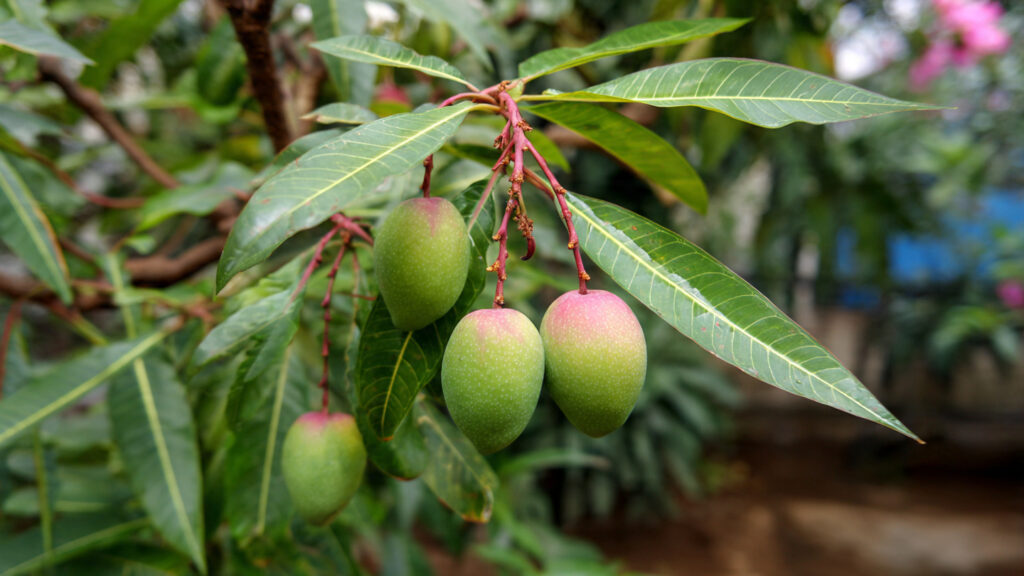
Mangoes are one of the most cherished fruits worldwide, celebrated for their sweet, aromatic flavor and nutritional value. From tropical backyards to commercial orchards, mango cultivation has been an enduring pursuit for farmers and gardening enthusiasts alike. Traditionally, growing a mango tree and waiting for it to bear fruit was a lengthy process, often requiring 5 to 8 years for seedlings to produce a harvestable crop. However, recent scientific advancements have revolutionized mango cultivation, offering methods that accelerate growth and significantly enhance fruit yield. This article explores the new scientific technique for growing mango trees faster with heavy fruit yield, detailing its principles, steps, and benefits.
Understanding Traditional Mango Cultivation
Before diving into the innovative techniques, it’s important to understand the conventional process of growing mango trees. Traditionally, mango trees are propagated either through seeds or grafting. While seed-grown trees can develop deep roots and strong resilience, they often exhibit high variability in fruit quality and a longer time to maturity. Grafting, on the other hand, allows for uniformity and quicker fruiting but still requires patience, as trees may take 3–5 years to bear their first fruits.
Key challenges in traditional mango cultivation include:
- Slow growth – Seedlings take years to establish a strong framework before producing flowers and fruits.
- Inconsistent fruit quality – Seed-grown trees may not replicate the parent plant’s fruit quality.
- Vulnerability to pests and diseases – Long growth periods increase exposure to pathogens and environmental stresses.
- Variable yields – Even mature trees may not consistently produce heavy fruit loads every season.
These challenges led scientists and horticulturists to explore modern techniques to accelerate growth and improve fruit productivity.
The Science Behind Faster Growth
The new technique relies on the integration of advanced horticultural practices with scientific principles of plant physiology. At its core, the method combines:
- Improved Grafting Methods
Traditional grafting ensures that the tree inherits desirable traits from a parent plant. The modern approach involves a precise grafting technique called approach grafting or omega grafting, which enhances the union between rootstock and scion. This method increases nutrient flow, strengthens the grafted section, and reduces the risk of graft failure. - Optimized Rootstock Selection
The choice of rootstock significantly influences the growth rate and fruiting potential of a mango tree. Modern techniques recommend using vigorous rootstocks known for their disease resistance, fast establishment, and ability to induce early flowering. By pairing a high-yielding scion with an ideal rootstock, growers can ensure both accelerated growth and heavy fruit production. - Use of Plant Growth Regulators (PGRs)
Scientific research has identified plant growth regulators that stimulate early flowering and fruit set in mango trees. Compounds such as gibberellic acid, cytokinins, and ethylene-releasing agents can be applied in precise doses at specific growth stages to trigger flowering within 12–18 months, much earlier than traditional timelines. - Nutrient Management with Biofertilizers
The new technique emphasizes balanced nutrition using organic fertilizers and biofertilizers. Beneficial microorganisms, like mycorrhizal fungi and nitrogen-fixing bacteria, improve soil fertility, enhance nutrient absorption, and promote strong vegetative and reproductive growth. Proper nutrient management ensures the tree not only grows fast but also develops robust, heavy fruits.
Step-by-Step Guide to the New Technique
1. Selecting the Right Plant Material
Begin with a high-quality scion from a mango variety known for heavy fruit production, such as Alphonso, Kesar, or Tommy Atkins. Pair it with a vigorous rootstock like Gomera-1 or Neelum, which are recognized for their adaptability and resistance to diseases.
2. Preparing the Rootstock
Rootstocks should be 6–12 months old and healthy. Prune any unnecessary shoots to encourage strong primary growth. Ensure the root system is well-developed but not pot-bound, as this facilitates a successful grafting process.
3. Performing Advanced Grafting
- Omega Grafting Method: This involves making precise omega-shaped cuts on both scion and rootstock, ensuring a snug fit. Wrap the union with grafting tape or parafilm to prevent moisture loss.
- Approach Grafting: Both the scion and rootstock remain attached to their respective plants until the graft heals. This method enhances the success rate, especially in challenging climatic conditions.
4. Applying Plant Growth Regulators
Once the graft has taken and new growth emerges, apply appropriate doses of plant growth regulators according to the growth stage. For instance:
- Gibberellic acid to encourage elongation and vegetative growth.
- Cytokinins to promote branching and flower bud formation.
- Ethylene-releasing compounds to stimulate flowering in mature scions.
5. Soil and Nutrient Management
Use a well-draining soil mix rich in organic matter. Incorporate compost and biofertilizers to enhance soil microbiota. Regular applications of balanced fertilizers containing nitrogen, phosphorus, and potassium, along with trace elements like zinc and boron, are essential to support fast growth and fruit development.
6. Pruning and Canopy Management
Regular pruning is critical to shape the tree, maintain light penetration, and ensure adequate air circulation. Properly managed canopy encourages more flower buds and results in heavier fruiting.
7. Irrigation and Mulching
Consistent watering is crucial for young grafted trees. Use drip irrigation to provide uniform moisture without waterlogging. Apply organic mulch around the base to conserve moisture, regulate soil temperature, and improve nutrient availability.
8. Pest and Disease Control
Integrated Pest Management (IPM) strategies are recommended to protect young trees. Using neem oil, pheromone traps, and beneficial insects can prevent infestations without harmful chemicals.
Advantages of the Scientific Technique
The benefits of this modern approach are substantial:
- Faster Fruiting – Trees grafted using advanced methods and stimulated with growth regulators can bear fruit in as little as 2 years.
- Higher Yields – Optimized nutrition, pruning, and canopy management ensure that each tree produces more fruits per season.
- Improved Fruit Quality – Scion selection guarantees superior fruit size, color, taste, and aroma.
- Disease Resistance – Healthy rootstocks and biofertilizer use reduce susceptibility to common mango diseases like powdery mildew and anthracnose.
- Economic Benefits – Faster fruiting and heavier yields translate into higher returns for commercial growers, reducing the gap between investment and profit.
Case Studies and Success Stories
Recent trials conducted in India and Thailand demonstrate the success of these modern techniques. In a controlled experiment in Maharashtra, mango trees grafted using omega grafting and treated with growth regulators began flowering in 18 months and produced yields 40–50% higher than conventionally grafted trees in the same period. Farmers reported not only early returns but also consistent fruit size and sweetness.
Similarly, in Thailand, a combination of vigorous rootstocks and biofertilizer management allowed orchards to reduce tree spacing while maintaining high yields, optimizing land use and increasing overall productivity.
➡️ How to Grow Malabar Spinach from Cuttings for Fast, Easy Greens
➡️ How to Grow Super Delicious Cabbage at Home Without a Garden
➡️ How to Grow Bean Sprouts at Home in Plastic Bottles Easily (Step‑by‑Step Guide)
➡️ Why is Your Lemon Tree Blooming in the Heart of Winter?
➡️ Why Should Your Garden Have a Dedicated Pollinator Highway?
➡️ Why Do Your Fruit Trees Need a Winter Wash to Thrive in Spring?
➡️ How Can Rice Water Transform Your Fruits into Sweeter Delights?
➡️ Jumpstart Your Winter Garden: Seed Starting Under Lights
Tips for Home Gardeners
Even home gardeners can adopt this scientific approach on a smaller scale:
- Use container-grown grafted plants to control soil quality and irrigation.
- Apply natural plant growth stimulants like seaweed extract or compost tea if chemical regulators are not accessible.
- Ensure adequate sunlight, at least 6–8 hours per day, for vigorous growth.
- Monitor for pests and prune regularly to maintain a healthy canopy.
Future of Mango Cultivation
The integration of science and horticulture is reshaping mango farming. Beyond faster growth and heavier yields, ongoing research focuses on:
- Tissue culture propagation for mass multiplication of elite varieties.
- Genetic selection for disease resistance and climate adaptability.
- Precision farming technologies such as drones and soil sensors to optimize water and nutrient use.
These innovations promise a future where mangoes can be grown more sustainably, with higher profitability and minimal environmental impact.
Conclusion
The new scientific technique for growing mango trees faster with heavy fruit yield is transforming both commercial orchards and home gardens. By combining advanced grafting methods, careful rootstock selection, plant growth regulators, and optimized nutrient management, growers can dramatically reduce the time to fruiting while enhancing the quality and quantity of their harvest. Whether you are a farmer seeking higher returns or a gardener hoping for homegrown mangoes, adopting these scientific methods can turn your dream of a fast-growing, fruit-laden mango tree into reality. The mango tree, once a symbol of patience, is now a testament to the power of modern agricultural science.