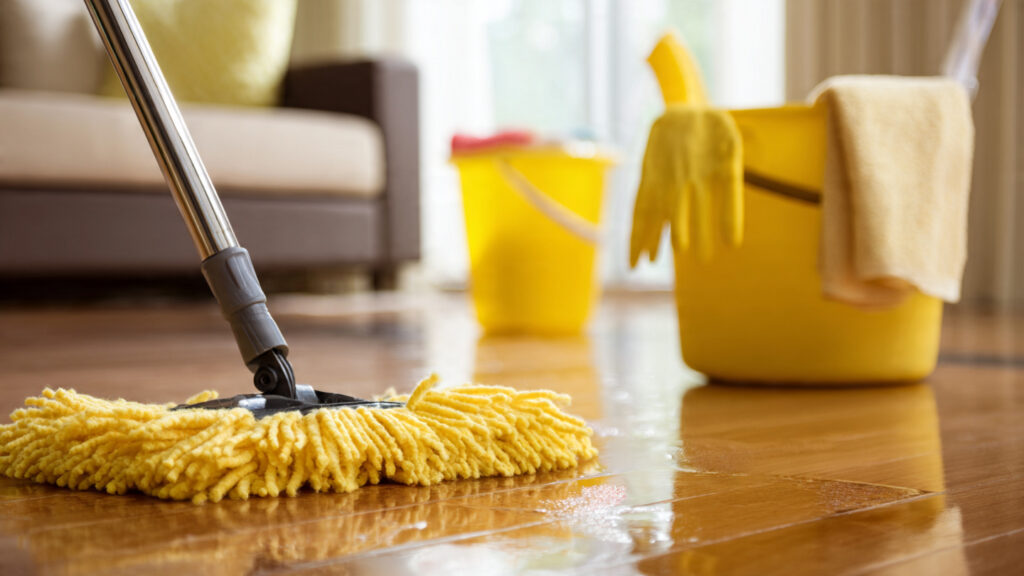
Cleaning your home is often viewed as a tedious and time-consuming chore, but what if a single simple step could completely transform your cleaning routine and save you hours every week? Many people invest in expensive gadgets, sprays, and tools, but the secret to a faster, more effective clean doesn’t have to be complicated. By adopting one smart technique and combining it with a few practical habits, you can keep your home sparkling without spending your entire day scrubbing surfaces. In this guide, we’ll explore the revolutionary step, how it works, and actionable tips to optimize your cleaning routine.
1. The Problem with Traditional Cleaning
Most cleaning routines involve tackling one task at a time—vacuuming floors, wiping countertops, dusting shelves, scrubbing bathrooms. While this approach can work, it often leads to inefficiency. Repetitive motions, moving furniture multiple times, or switching between different tools and products can waste valuable time. Moreover, traditional cleaning tends to be reactive—waiting until surfaces are visibly dirty before cleaning—which makes the process more labor-intensive.
The result? Many people feel exhausted after cleaning, with only a temporary sense of accomplishment. The key to a better routine lies in proactive, efficient methods that prevent dirt buildup and minimize redundant work.
2. The Simple Step That Changes Everything
The step that revolutionizes cleaning is surprisingly simple: clean from top to bottom and left to right in a systematic pattern. It sounds basic, but most people clean haphazardly, missing spots or having to redo tasks because dust and debris fall onto areas already cleaned.
Why This Works:
- Gravity Works for You: Dust and crumbs naturally fall downward. Cleaning from top to bottom ensures that debris from higher surfaces doesn’t dirty the floors you’ve already cleaned.
- Reduces Repetition: By following a systematic pattern—left to right, then top to bottom—you avoid covering the same surface twice.
- Saves Time: Streamlining the order of tasks reduces unnecessary steps, saving minutes that add up significantly over weeks.
This approach applies to every room: dusting shelves, wiping cabinets, cleaning appliances, and even vacuuming or mopping floors. Once you adopt this simple method, your cleaning efficiency improves dramatically.
3. Preparing for Maximum Efficiency
Before you begin cleaning, a little preparation can make the process smoother and faster. Here’s how:
Gather Your Tools:
- Microfiber cloths for dusting
- Multi-surface spray
- Vacuum cleaner or broom
- Mop and bucket
- Trash bags
- Optional: gloves and scrub brushes
Having all your tools in one portable caddy prevents multiple trips back and forth, reducing time wasted searching for supplies.
Declutter First:
Before cleaning surfaces, remove unnecessary items like magazines, toys, or dishes. Decluttering makes wiping, dusting, and organizing faster and more effective. This step also prevents you from having to clean around objects multiple times.
4. The Room-by-Room Approach
Using the top-to-bottom, left-to-right method is most effective when applied room by room. Here’s a breakdown of how to do it:
Living Room:
- Dust ceiling fans, light fixtures, and shelves.
- Wipe furniture surfaces, starting with the highest shelves and moving downward.
- Vacuum upholstery and cushions.
- Sweep or vacuum floors, finishing with mopping if necessary.
Kitchen:
- Wipe down cabinet tops, shelves, and appliances.
- Clean countertops and sink areas.
- Address smaller items like handles, knobs, and backsplash tiles.
- Sweep and mop the floor last to catch any fallen debris.
Bathroom:
- Dust high corners and vents.
- Clean mirrors, counters, and faucets.
- Scrub the toilet, shower, and tub.
- Sweep and mop the floor as the final step.
Bedroom:
- Dust shelves, dressers, and ceiling fans.
- Wipe furniture surfaces and mirrors.
- Change bed linens and make the bed.
- Vacuum or sweep the floor last.
Following a structured order ensures nothing is overlooked, and cleaning becomes a streamlined, almost automatic process.
5. The Power of Microfiber Cloths
One underrated factor in saving time while cleaning is the tool you use. Microfiber cloths have become essential for efficient cleaning. They:
- Trap Dust and Dirt: Unlike regular cloths that spread dust around, microfiber attracts and holds onto particles.
- Require Less Cleaning Product: Microfiber works well with water alone, reducing chemical usage and preparation time.
- Dry Quickly: This prevents streaking and allows you to move from one task to the next without waiting for surfaces to dry.
Using microfiber in combination with the top-to-bottom method ensures surfaces are clean and streak-free in less time.
6. Multitasking for Maximum Impact
Another way to save time is to combine compatible tasks:
- While mopping, spray the next area you plan to wipe.
- Dust shelves while a cleaning solution soaks on another surface.
- Empty trash cans while vacuuming to avoid additional trips.
By thinking ahead and overlapping steps when possible, you reduce idle time and make the cleaning session more productive.
7. Scheduling and Consistency
Efficiency isn’t just about technique—it’s also about timing. A consistent cleaning schedule reduces the effort required during each session:
➡️ How to Grow Malabar Spinach from Cuttings for Fast, Easy Greens
➡️ How to Grow Super Delicious Cabbage at Home Without a Garden
➡️ How to Grow Bean Sprouts at Home in Plastic Bottles Easily (Step‑by‑Step Guide)
➡️ Why is Your Lemon Tree Blooming in the Heart of Winter?
➡️ Why Should Your Garden Have a Dedicated Pollinator Highway?
➡️ Why Do Your Fruit Trees Need a Winter Wash to Thrive in Spring?
➡️ How Can Rice Water Transform Your Fruits into Sweeter Delights?
➡️ Jumpstart Your Winter Garden: Seed Starting Under Lights
- Daily Maintenance: Quick tasks like wiping counters, putting away items, and spot cleaning prevent buildup.
- Weekly Deep Cleaning: Reserve longer tasks like mopping floors, scrubbing bathrooms, and dusting higher surfaces for a dedicated weekly session.
- Monthly Checks: Address areas like vents, behind appliances, or under furniture once a month.
By maintaining a routine, your home stays cleaner with less effort, and each cleaning session becomes faster and easier.
8. The Psychological Advantage
Cleaning systematically isn’t just practical—it’s also psychologically rewarding. Knowing that you’re following a proven method:
- Reduces stress by eliminating guesswork
- Provides a sense of accomplishment as each area is completed
- Encourages continued maintenance because tasks feel manageable
When cleaning feels easier and faster, it’s easier to stay consistent, creating a cycle of cleanliness and efficiency.
9. Advanced Tips to Revolutionize Your Routine
- Use Caddies: Keep all your cleaning supplies in a portable caddy to avoid wasting time looking for products.
- Multi-Surface Sprays: Limit the number of products you use by choosing sprays that work on several surfaces.
- Set Timers: Turn cleaning into a focused, timed activity to boost productivity.
- Music or Podcasts: Listening to music or a podcast keeps you motivated and makes the process enjoyable.
- Preventive Measures: Use mats at entrances, wipe spills immediately, and encourage family members to clean up as they go. These small habits save hours in the long run.
10. Minimalism and Decluttering
One of the biggest time-saving aspects of cleaning is reducing the number of items that collect dust and require attention. By keeping surfaces simple, organized, and minimal:
- Dusting is faster
- Fewer surfaces need daily cleaning
- The home feels more spacious and calm
Consider regularly evaluating your belongings and donating or storing items that are rarely used.
11. Technology and Tools
Modern tools can enhance the simple top-to-bottom, left-to-right method:
- Robot Vacuums: Automate floor cleaning, freeing up your time for other tasks.
- Steam Mops: Clean and sanitize floors quickly without chemicals.
- Microfiber Dusters: Extendable dusters make ceiling fans and high shelves accessible without a ladder.
Even with these tools, the systematic cleaning method ensures you don’t miss spots and reduces redundancy.
12. Conclusion
Revolutionizing your cleaning routine doesn’t require expensive products or hours of effort. By implementing one simple step—cleaning from top to bottom and left to right in a systematic pattern—you can save time, reduce stress, and maintain a sparkling home with less effort. Coupled with preparation, the right tools, multitasking, and a consistent schedule, this approach transforms cleaning from a dreaded chore into a manageable, almost automatic process.
In addition, focusing on decluttering, preventive maintenance, and minimalism reduces the overall cleaning workload, while technology can complement your routine for even greater efficiency.
The next time you tackle your home, remember that the secret to a faster, more effective clean lies not in doing more, but in doing it smarter. With this simple step, your cleaning routine is no longer a tedious task—it becomes a streamlined, efficient, and satisfying part of daily life.