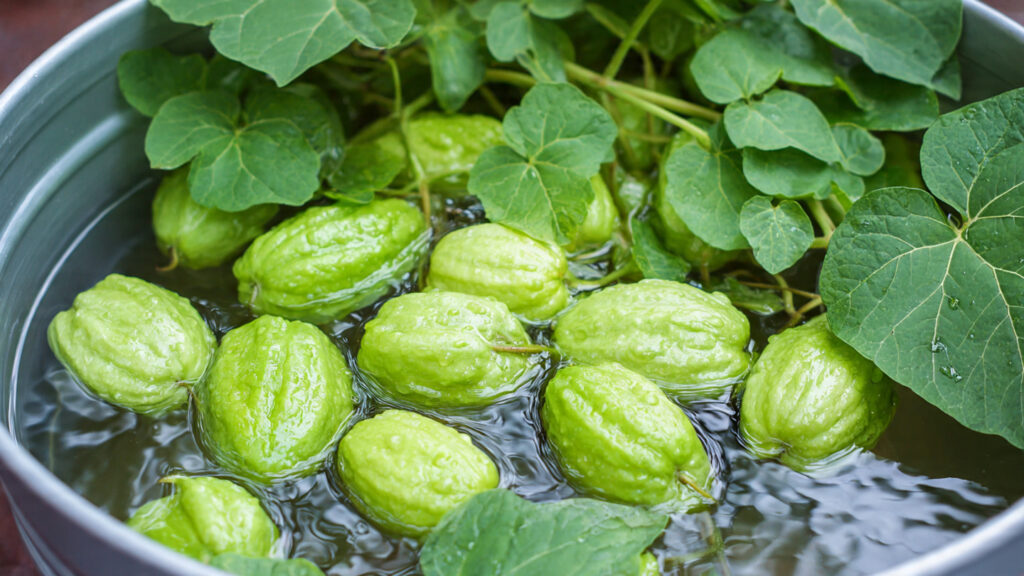
If you love growing productive, low-maintenance vegetables at home, chayote deserves a top spot in your garden. Known for its vigorous vines and abundant harvests, chayote can provide a steady supply of crisp, mild-flavored fruits for months. But what if you could grow it easily in a tub — even in limited space — and enjoy nearly endless production?
This simple tub method makes it possible.
Whether you have a small backyard, terrace, patio, or even a sunny balcony, growing chayote in a large container gives you better control over soil, drainage, and plant health. With the right setup, you can harvest chayote continuously and encourage year-round growth in warm climates.
Let’s explore how this easy tub method works and why it’s so effective.
What Is Chayote?
Sechium edule, also known as vegetable pear or mirliton, is a fast-growing climbing plant in the gourd family. Unlike many vegetables that require repeated planting, chayote grows from a single sprouted fruit and produces long trailing vines that can stretch several meters.
Each mature vine can produce dozens — sometimes hundreds — of fruits in a season under ideal conditions.
Chayote thrives in warm weather and is perennial in frost-free regions. In cooler areas, it can still be grown successfully as an annual.
Why the Tub Method Works So Well
Traditional ground planting can work, but the tub method offers several key advantages:
1. Superior Drainage Control
Chayote dislikes soggy soil. A large tub with proper drainage holes prevents root rot and allows precise watering.
2. Better Soil Quality
You control the growing medium completely, ensuring nutrient-rich, well-aerated soil.
3. Pest and Disease Reduction
Container growing reduces exposure to soil-borne diseases.
4. Space Efficiency
Even small patios can accommodate one large tub and vertical support.
5. Extended Growing Season
In cooler climates, tubs can be moved to warmer spots or sheltered areas when temperatures drop.
Choosing the Right Tub
Size matters when growing chayote in containers.
Ideal Container Size:
- Minimum 50–70 liters capacity
- At least 18–24 inches deep
- Wide enough to support root expansion
Plastic drums, large grow bags, or sturdy cement tubs all work well. Ensure multiple drainage holes at the bottom.
➡️ How to Grow Malabar Spinach from Cuttings for Fast, Easy Greens
➡️ How to Grow Super Delicious Cabbage at Home Without a Garden
➡️ How to Grow Bean Sprouts at Home in Plastic Bottles Easily (Step‑by‑Step Guide)
➡️ Why is Your Lemon Tree Blooming in the Heart of Winter?
➡️ Why Should Your Garden Have a Dedicated Pollinator Highway?
➡️ Why Do Your Fruit Trees Need a Winter Wash to Thrive in Spring?
➡️ How Can Rice Water Transform Your Fruits into Sweeter Delights?
➡️ Jumpstart Your Winter Garden: Seed Starting Under Lights
Preparing the Perfect Soil Mix
Chayote thrives in loose, nutrient-rich soil.
A balanced mix includes:
- 40% garden soil
- 30% compost
- 20% coco peat or leaf mold
- 10% coarse sand or perlite
This combination ensures:
- Good drainage
- Adequate moisture retention
- Rich organic nutrients
Mix thoroughly before filling the tub.
Planting Chayote the Right Way
Unlike many vegetables grown from seeds, chayote grows from the entire fruit.
Step 1: Select a Healthy Fruit
Choose a firm, mature chayote. If it has already begun sprouting, even better.
Step 2: Position the Fruit
Lay the fruit sideways in the soil, burying it halfway. The sprouted end should remain slightly exposed.
Step 3: Water Lightly
Keep the soil moist but not waterlogged.
Within 2–3 weeks, strong vines will begin climbing.
Provide Strong Vertical Support
Chayote vines grow vigorously and need sturdy support.
Options include:
- Bamboo trellis
- Metal frame
- Strong nylon net
- Pergola structure
Because the plant becomes heavy when fruiting, support must be secure. A well-built trellis allows vines to spread, improves air circulation, and increases fruit production.
Vertical growth is one of the secrets behind “endless” harvests — more exposure to light equals more flowering and fruiting.
Sunlight Requirements
Chayote needs:
- 6–8 hours of direct sunlight daily
If grown in partial shade, fruit production may decrease. In very hot climates, light afternoon shade helps prevent stress.
Place your tub in the sunniest available spot for best results.
Watering Schedule
Consistent watering is essential for continuous production.
Guidelines:
- Water deeply 2–3 times per week
- Allow topsoil to dry slightly between watering
- Avoid standing water
Mulching the top of the soil with dry leaves or straw helps maintain moisture and regulate temperature.
Feeding for Continuous Harvest
Heavy fruiting requires steady nutrients.
Every 3–4 weeks:
- Add compost around the base
- Use diluted organic liquid fertilizer
- Apply vermicompost for sustained nourishment
Avoid excessive nitrogen, which may promote leaves over fruit.
Balanced feeding encourages regular flowering and fruit set.
Encouraging Year-Round Growth
In tropical and subtropical climates, chayote can grow continuously.
To extend productivity:
1. Prune Strategically
Trim overly long vines to encourage branching. More branches mean more flowers.
2. Protect from Cold
If temperatures drop below 10°C (50°F), move tubs to sheltered areas or cover the plant with frost cloth.
3. Remove Old Fruits Promptly
Regular harvesting stimulates new fruit development.
With proper care, one plant can remain productive for years.
Flowering and Pollination
Chayote produces separate male and female flowers on the same plant.
Pollination usually occurs naturally via bees. However, in low-pollinator areas, you can assist by:
- Gently transferring pollen from male to female flowers using a small brush.
Healthy vines produce frequent blooms, leading to continuous fruit formation.
Common Problems and Solutions
1. Yellowing Leaves
Cause: Overwatering or nutrient deficiency
Solution: Improve drainage and add compost.
2. Poor Fruiting
Cause: Insufficient sunlight or excess nitrogen
Solution: Increase sun exposure and adjust feeding.
3. Powdery Mildew
Cause: Poor air circulation
Solution: Prune dense vines and improve airflow.
Container growing actually reduces many common ground-related issues.
Harvesting Tips
Chayote fruits are best harvested when:
- 10–15 cm long
- Firm and light green
- Skin is smooth and tender
Do not allow fruits to overmature, as they become tough.
Regular harvesting encourages more production.
Bonus: Replanting from Your Own Harvest
One of the most exciting parts of growing chayote is that you can regrow it from your harvest.
Simply:
- Select a healthy fruit
- Allow it to sprout naturally
- Replant in a fresh tub
This creates a continuous cycle of growth without purchasing new plants.
Why This Method Feels “Endless”
The combination of:
- Large root space
- Controlled soil conditions
- Vertical growth
- Regular feeding
- Consistent harvesting
…creates an environment where the plant rarely experiences stress.
A stress-free plant focuses energy on producing flowers and fruits rather than survival. That’s why gardeners using this tub method often report incredibly long harvesting periods.
Ideal Climates for Year-Round Growth
Chayote thrives best in:
- Tropical climates
- Subtropical regions
- Frost-free zones
In cooler areas, it can still produce abundantly during warm months.
If you live in a region with mild winters, container growing significantly increases your chances of maintaining the plant year after year.
Space-Saving Advantages
Even though chayote vines are large, the root system stays contained within the tub. This makes it perfect for:
- Urban gardening
- Rooftop gardens
- Courtyard spaces
- Small backyards
Vertical gardening maximizes production without occupying ground space.
Final Thoughts
This simple tub method transforms chayote into a highly productive, manageable, and nearly endless vegetable source. By controlling soil quality, drainage, sunlight, and feeding, you create ideal growing conditions that encourage continuous flowering and fruiting.
Whether you’re an experienced gardener or a beginner experimenting with container vegetables, chayote offers incredible rewards with relatively little effort.
With just one healthy sprouted fruit, a sturdy tub, and proper care, you can enjoy a steady supply of fresh, homegrown chayote — season after season.
Sometimes the most abundant harvests don’t require massive farmland. They just require smart methods, good support, and a little consistency.