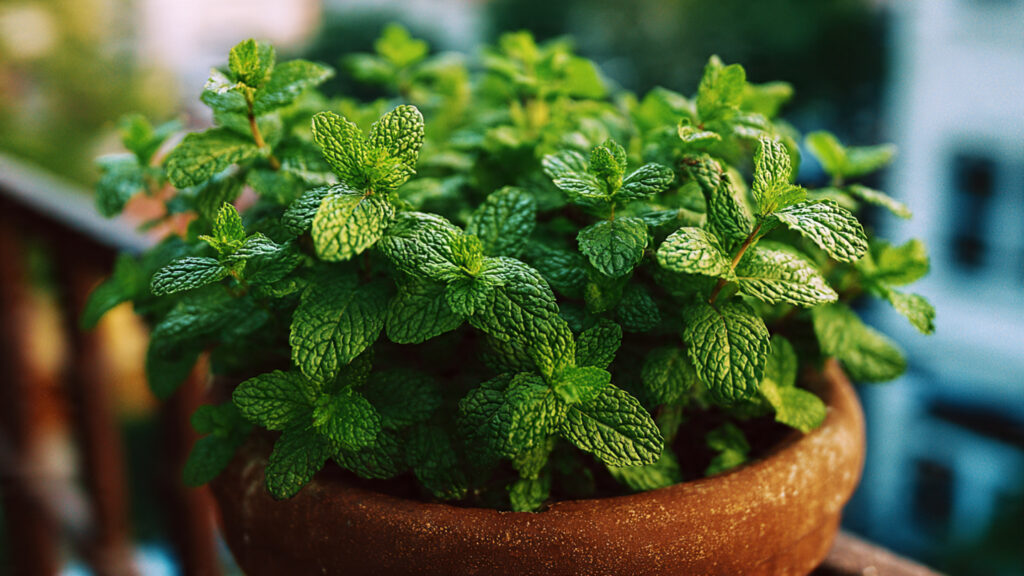
Mint is one of the most versatile and aromatic herbs, perfect for culinary uses, beverages, and even natural remedies. Popular species such as Mentha spicata (spearmint) and Mentha × piperita (peppermint) are favorites among gardeners for their vigorous growth and refreshing fragrance. While mint is relatively easy to grow, achieving a lush, bushy appearance in pots requires some planning, proper care, and consistent maintenance.
Growing mint in containers has the added advantage of controlling its invasive growth habit. Unlike in garden beds, where it can spread rapidly, pots provide a confined environment that encourages controlled, healthy growth. This guide will cover practical tips to help your potted mint thrive, develop dense foliage, and maintain a vibrant, bushy shape.
1. Choose the Right Container
Selecting the appropriate pot is the first step toward lush mint growth. Mint grows quickly and develops extensive roots, so the container should accommodate its vigorous nature.
Pot Size and Material
- Use pots at least 8–12 inches deep and wide to allow roots to spread.
- Terracotta pots are ideal for good aeration but dry out faster.
- Plastic containers retain moisture better, which may be helpful in hot climates.
- Ensure your pot has adequate drainage holes to prevent waterlogging, which can lead to root rot.
Shape and Stability
- Wide and stable pots prevent the plant from toppling as it grows bushy.
- Shallow or narrow pots may restrict root growth and lead to leggy, weak stems.
2. Select Healthy Mint Varieties
Different mint varieties have distinct growth patterns and flavors.
- Spearmint (Mentha spicata) – Fast-growing with upright stems; ideal for bushy pots.
- Peppermint (Mentha × piperita) – Strong aroma with slightly trailing growth.
- Chocolate Mint or Apple Mint – Adds unique flavor and fragrance for culinary use.
Choose a variety suited for your taste and desired plant habit. For dense bushiness, spearmint is often preferred due to its upright, branching growth.
3. Use High-Quality Soil
Mint thrives in nutrient-rich, well-draining soil. The right soil promotes strong root development and robust foliage.
Ideal Soil Mix
- Equal parts potting soil and compost
- Add a small portion of perlite or sand for drainage
- Slightly acidic to neutral pH (6.0–7.0)
Avoid heavy clay soils or compacted garden soil, as they can suffocate roots and hinder growth.
4. Ensure Consistent Moisture
Mint loves moisture, but overwatering can harm roots. Container-grown plants require careful watering practices.
Watering Guidelines
- Keep soil consistently moist but not soggy
- Check the top 1–2 inches of soil before watering
- Water deeply to encourage strong root growth
- Reduce watering slightly in cooler months
Using self-watering pots or trays with a reservoir can simplify maintaining consistent soil moisture.
5. Provide Adequate Light
Light directly affects mint’s density and leaf color.
- Mint prefers bright, indirect sunlight for 4–6 hours per day.
- Too little light leads to leggy, sparse stems.
- If indoors, place the pot near a south- or east-facing window.
- If growing outdoors, morning sun and afternoon shade work well, especially in hot climates.
Rotate the pot periodically to ensure all sides receive even light and prevent leaning growth.
6. Encourage Bushy Growth Through Pruning
Pruning is the most effective way to develop dense, bushy mint.
Techniques:
- Pinch tips regularly – Remove the top 1–2 inches of stems weekly to stimulate branching.
- Harvest frequently – Using leaves in cooking or teas encourages new lateral shoots.
- Remove old or weak stems – Cutting back leggy or woody growth keeps the plant compact.
Regular pruning prevents the plant from becoming tall and spindly while promoting lateral growth for a fuller appearance.
7. Fertilize Lightly and Wisely
Mint is a relatively low-maintenance herb, but light fertilization supports vigorous growth.
Fertilizer Tips:
- Use a balanced, water-soluble fertilizer every 4–6 weeks during the growing season.
- Avoid excessive nitrogen, which may lead to lush foliage but weak flavor.
- Organic fertilizers, such as compost tea or fish emulsion, enhance growth naturally.
Proper feeding ensures the plant produces healthy leaves without promoting overly rapid, weak growth.
➡️ How to Grow Malabar Spinach from Cuttings for Fast, Easy Greens
➡️ How to Grow Super Delicious Cabbage at Home Without a Garden
➡️ How to Grow Bean Sprouts at Home in Plastic Bottles Easily (Step‑by‑Step Guide)
➡️ Why is Your Lemon Tree Blooming in the Heart of Winter?
➡️ Why Should Your Garden Have a Dedicated Pollinator Highway?
➡️ Why Do Your Fruit Trees Need a Winter Wash to Thrive in Spring?
➡️ How Can Rice Water Transform Your Fruits into Sweeter Delights?
➡️ Jumpstart Your Winter Garden: Seed Starting Under Lights
8. Space and Air Circulation
Good airflow prevents fungal issues and encourages strong stems.
- Avoid overcrowding multiple mint plants in a single pot.
- If growing multiple pots indoors, leave space between them.
- Outdoor pots should be positioned for gentle air movement but protected from strong wind that can damage stems.
9. Manage Pests Naturally
Mint is relatively resistant to pests, but container plants can occasionally attract aphids, spider mites, or whiteflies.
Preventive Measures:
- Regularly inspect leaves, especially undersides.
- Spray with a mild soap-water solution or neem oil if pests appear.
- Maintain good air circulation and avoid waterlogged soil.
Healthy, bushy plants are generally more resilient to infestations.
10. Encourage Root Health
Strong roots are the foundation for a dense, bushy plant.
- Avoid letting the mint become root-bound; repot every 1–2 years.
- Divide overcrowded pots by separating rhizomes and replanting.
- Root pruning during repotting stimulates fresh growth and rejuvenates older plants.
Healthy root systems support vigorous above-ground development and robust foliage.
11. Harvest Strategically
Frequent harvesting encourages continuous growth.
- Cut leaves regularly before flowering for optimal flavor.
- Pinch back flowers if you want the plant to focus energy on leaf production.
- Harvest in the morning when essential oils are concentrated for best aroma and taste.
Strategic harvesting enhances both bushiness and leaf quality.
12. Seasonal Care for Year-Round Growth
Mint is perennial in many climates but may slow growth in colder months.
Winter Care:
- Move pots indoors or to a sheltered spot.
- Reduce watering slightly to match slower growth.
- Maintain bright light conditions indoors.
With proper care, your mint pot can remain dense and productive year-round.
13. Companion Planting Benefits
Mint pairs well with other container plants and can enhance their growth.
- Placing mint near tomatoes, peppers, or basil helps deter pests naturally.
- Mint can act as a ground cover in larger pots to reduce weeds.
- Its fragrance may attract pollinators when planted outdoors near flowers.
14. Avoid Common Mistakes
To achieve a lush bushy appearance, watch out for:
- Neglecting pruning – Leads to tall, leggy plants.
- Insufficient light – Causes pale, sparse leaves.
- Overwatering – Roots rot and stems weaken.
- Crowding – Limits airflow and encourages disease.
Avoiding these mistakes ensures healthy, dense growth.
15. Long-Term Maintenance
Maintaining a bushy mint pot requires ongoing attention:
- Regular pruning and harvesting
- Repotting every 1–2 years
- Light fertilization during the growing season
- Monitoring for pests and fungal issues
With consistent care, your mint will continue to thrive and provide abundant foliage for years.
Conclusion
Growing mint in pots is an ideal way to enjoy this aromatic herb while controlling its vigorous nature. By selecting the right container, providing nutrient-rich soil, ensuring proper light and water, and practicing regular pruning and harvesting, you can achieve a dense, bushy, and lush mint plant.
Whether you are growing Mentha spicata for its refreshing leaves or Mentha × piperita for its cooling aroma, these practical tips help your mint reach its full potential. Containers not only make maintenance easy but also keep your herb garden tidy and manageable.