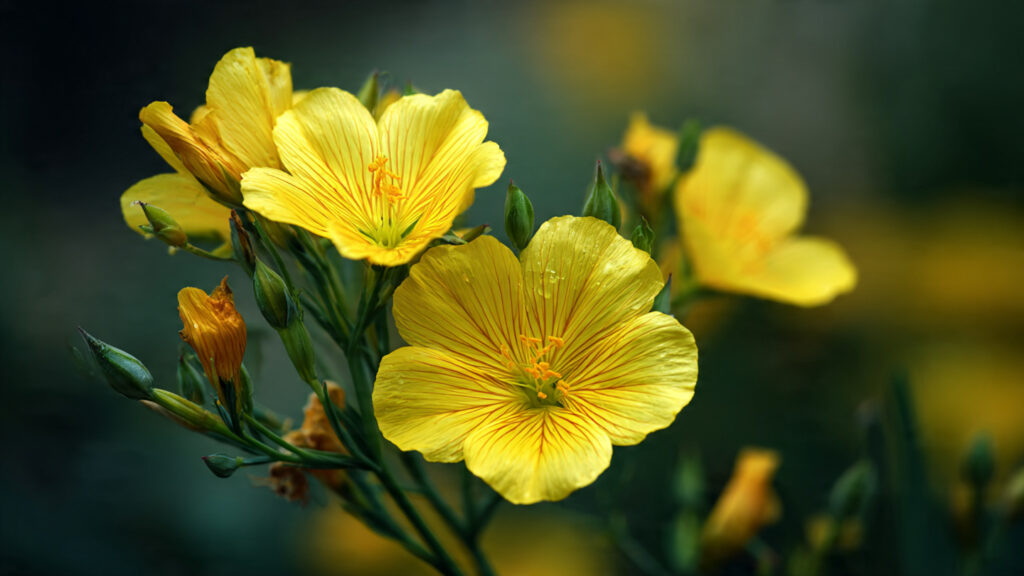
If you’re searching for a flower that radiates warmth, charm, and effortless beauty, look no further than Linum flavum. Often called golden flax, this dazzling perennial produces cheerful yellow blooms that look like tiny drops of sunshine dancing above delicate green foliage. With its graceful appearance and surprisingly low maintenance needs, Linum flavum is a wonderful addition to home gardens, balconies, and even rock gardens.
In this complete guide, you’ll learn everything you need to know about growing Linum flavum at home—from choosing the right location to ensuring continuous blooms year after year.
What Makes Linum Flavum So Special?
Linum flavum is a compact, clump-forming perennial native to parts of Central and Southern Europe. Unlike the more commonly known blue flax, this variety stands out with its vivid golden-yellow flowers. Each bloom may only last a short time, but the plant continuously produces new flowers during its blooming season, creating a long-lasting display.
Here’s why gardeners love it:
- Bright, sunshine-yellow blooms
- Drought tolerance once established
- Compact growth habit
- Perfect for borders and rock gardens
- Low maintenance requirements
If you appreciate plants that look delicate yet thrive with minimal effort, this golden flax is an ideal choice.
Ideal Growing Conditions
To successfully grow Linum flavum at home, understanding its natural preferences is key.
1. Sunlight Requirements
Linum flavum absolutely loves the sun. Choose a location that receives:
- At least 6–8 hours of direct sunlight daily
- Good air circulation
While it can tolerate light shade, full sun ensures the most vibrant flowers and compact growth. In regions with very hot summers, slight afternoon shade can help prevent stress.
2. Soil Preferences
One of the most important factors in growing Linum flavum successfully is soil drainage.
This plant thrives in:
- Well-draining soil
- Sandy or gravelly soil
- Slightly alkaline to neutral pH
Avoid heavy clay soils that retain too much moisture. If your garden soil is dense, improve drainage by mixing in sand, gravel, or compost.
Poor soil is not a problem—Linum flavum actually prefers moderately lean soil over overly rich, fertile ground.
3. Climate and Temperature
Linum flavum performs best in temperate climates. It is:
- Hardy in mild winters
- Tolerant of moderate frost
- Drought-resistant once established
In areas with very humid conditions, ensure excellent drainage to prevent root rot. If you’re gardening in a region with harsh winters, a layer of mulch can protect the roots during cold months.
How to Grow Linum Flavum from Seeds
Growing Linum flavum from seeds is simple and rewarding.
➡️ How to Grow Malabar Spinach from Cuttings for Fast, Easy Greens
➡️ How to Grow Super Delicious Cabbage at Home Without a Garden
➡️ How to Grow Bean Sprouts at Home in Plastic Bottles Easily (Step‑by‑Step Guide)
➡️ Why is Your Lemon Tree Blooming in the Heart of Winter?
➡️ Why Should Your Garden Have a Dedicated Pollinator Highway?
➡️ Why Do Your Fruit Trees Need a Winter Wash to Thrive in Spring?
➡️ How Can Rice Water Transform Your Fruits into Sweeter Delights?
➡️ Jumpstart Your Winter Garden: Seed Starting Under Lights
Step 1: When to Sow
You can sow seeds:
- In early spring after the last frost
- In autumn in mild climates
Spring sowing gives plants enough time to establish before peak summer flowering.
Step 2: Seed Preparation
Linum flavum seeds do not require special treatment. However, lightly soaking them in water for a few hours before planting may speed up germination.
Step 3: Planting the Seeds
- Prepare well-drained soil.
- Scatter seeds lightly on the surface.
- Cover with a thin layer of soil (about 0.5 cm).
- Water gently.
Germination usually occurs within 10–20 days, depending on temperature.
Step 4: Thinning Seedlings
Once seedlings are a few inches tall, thin them so that plants are spaced about 20–30 cm apart. Proper spacing ensures good airflow and healthy growth.
Growing Linum Flavum in Pots
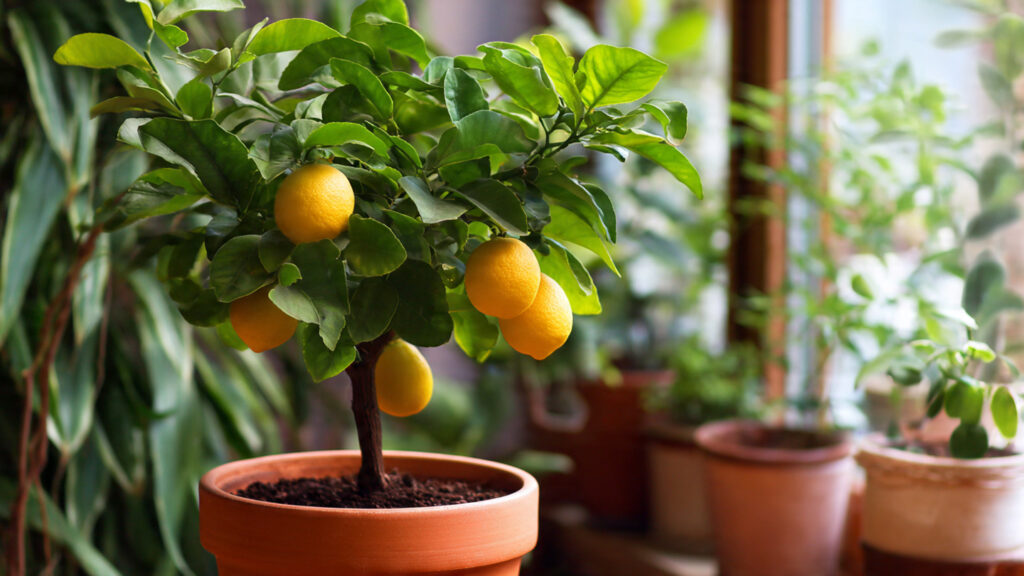
If you have limited space, Linum flavum grows beautifully in containers.
Choose:
- A pot with drainage holes
- A sandy, well-draining potting mix
- A sunny balcony or terrace location
Container-grown plants may need slightly more frequent watering than those in the ground, but be careful not to overwater.
This makes Linum flavum perfect for urban gardeners who want bursts of golden color in small spaces.
Watering Guide
One of the biggest mistakes gardeners make is overwatering.
Linum flavum prefers:
- Moderate watering during establishment
- Minimal watering once mature
Allow the top layer of soil to dry out between watering sessions. During rainy seasons, ensure water does not collect around the roots.
Overwatering can lead to root rot, which is one of the few serious issues this plant faces.
Fertilizing Tips
Less is more when it comes to feeding Linum flavum.
- Avoid heavy fertilizers.
- Use a light, balanced fertilizer in early spring if needed.
- Compost can be added sparingly.
Excess nutrients may result in more foliage and fewer flowers, so keep feeding minimal.
Pruning and Maintenance
To keep your Linum flavum looking its best:
- Remove spent flowers to encourage more blooms.
- Trim lightly after flowering to maintain shape.
- Cut back in late autumn if foliage becomes untidy.
This simple maintenance routine promotes healthier growth and better flowering next season.
Common Problems and Solutions
Although Linum flavum is generally trouble-free, here are a few potential issues:
1. Root Rot
Cause: Poor drainage or overwatering
Solution: Improve soil drainage and reduce watering.
2. Leggy Growth
Cause: Insufficient sunlight
Solution: Move to a sunnier location.
3. Fungal Issues
Cause: Excess moisture and poor airflow
Solution: Space plants properly and avoid overhead watering.
With proper care, most gardeners find this plant remarkably resilient.
Companion Planting Ideas
Linum flavum pairs beautifully with other drought-tolerant plants. Consider planting it alongside:
- Lavender
- Sedum
- Ornamental grasses
- Rock garden perennials
The bright yellow flowers contrast wonderfully with purple, blue, or silver-toned plants, creating a visually stunning display.
Propagation by Division
Once established, Linum flavum can be propagated by division.
- Divide mature clumps in early spring or autumn.
- Carefully separate roots.
- Replant immediately in well-draining soil.
This method is faster than growing from seed and ensures identical plants.
Encouraging Long-Lasting Blooms
For a prolonged flowering season:
- Provide full sun.
- Avoid excessive nitrogen fertilizer.
- Deadhead regularly.
With proper care, Linum flavum blooms from late spring into early summer, sometimes even longer in mild climates.
Why You’ll Fall in Love with Linum Flavum
There’s something incredibly uplifting about stepping into your garden and seeing clusters of bright golden flowers glowing in the sunlight. Linum flavum brings a natural, wildflower charm without demanding constant attention.
It’s perfect for:
- Beginner gardeners
- Busy homeowners
- Balcony gardens
- Rock and gravel landscapes
Unlike many high-maintenance flowering plants, this golden beauty thrives on simplicity.
Final Thoughts
If you want a flower that combines elegance, resilience, and radiant color, Linum flavum is a fantastic choice. With well-drained soil, plenty of sunshine, and minimal watering, you can enjoy waves of golden blooms that brighten your home garden year after year.
Whether planted in borders, rock gardens, or containers, this sunshine flower will reward you with effortless beauty. Once established, it becomes a dependable, drought-tolerant companion that asks for little and gives so much in return.