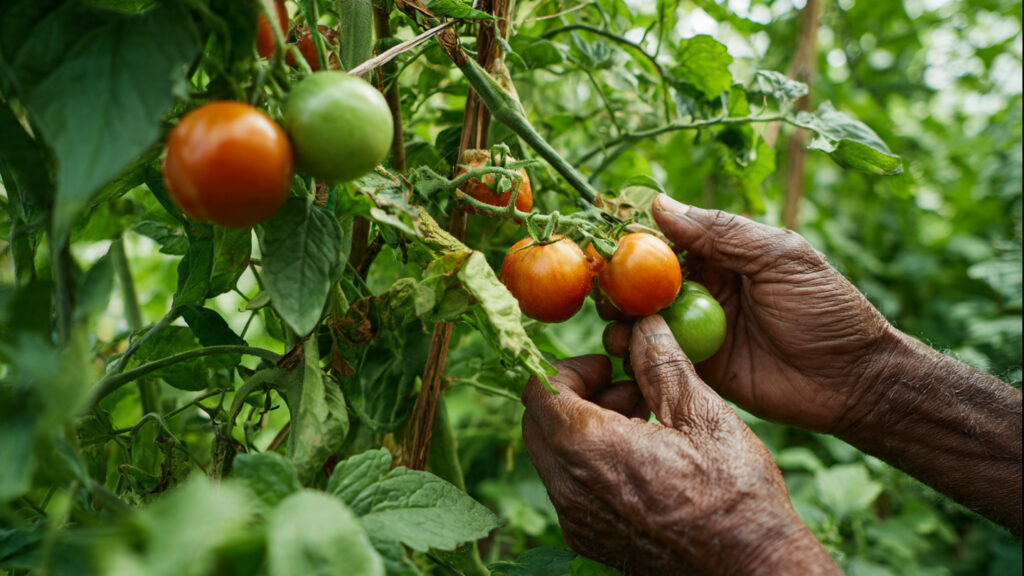
Gardening is a mix of patience, technique, and observation. Among the many tasks that gardeners undertake, pruning is one of the most important. Proper pruning can stimulate growth, improve air circulation, and increase fruit production. But making the wrong pruning mistake can have the opposite effect—stunting vegetable growth, reducing yields, and leaving plants weak and unproductive. Understanding this common mistake and how to correct it is key to achieving bigger, healthier vegetables in your garden.
Why Pruning Matters in Vegetable Gardening
Pruning isn’t just about shaping plants—it’s about directing energy. Every branch, leaf, and shoot of a vegetable plant competes for nutrients, sunlight, and water. By selectively removing certain parts of a plant, you can:
- Focus energy on developing stronger stems and roots.
- Encourage fruiting rather than excessive foliage.
- Prevent overcrowding, which reduces the risk of disease.
- Make harvesting easier and more efficient.
Vegetables like tomatoes, peppers, cucumbers, eggplants, and squash respond especially well to thoughtful pruning. But pruning incorrectly can turn these benefits into setbacks.
The Common Pruning Mistake: Over-Pruning or Cutting Too Early
The most frequent mistake gardeners make is over-pruning or removing too many leaves and shoots too early in a plant’s life. While it may seem intuitive that trimming back a plant encourages growth, cutting too much can have the opposite effect.
Here’s why:
- Loss of Energy Source: Leaves are the powerhouse of the plant. They perform photosynthesis, producing the sugars and energy necessary for growth and fruit development. Cutting too many leaves reduces the plant’s energy supply.
- Stress Response: Plants that lose too much foliage react by diverting energy to regrow leaves rather than producing flowers or fruits.
- Slower Growth: Young plants, in particular, need a full canopy of leaves to establish strong roots and stems. Over-pruning stunts overall growth.
- Increased Vulnerability: Exposed stems are more susceptible to sunburn, pests, and diseases when too many leaves are removed.
Many gardeners unintentionally prune aggressively, thinking it will improve airflow or reduce overcrowding. The result? Smaller vegetables and delayed harvests.
How to Prune Vegetables Correctly
Avoiding the over-pruning mistake involves timing, technique, and understanding the plant’s growth pattern. Here’s a step-by-step guide:
1. Know Your Plant
Different vegetables require different pruning approaches:
- Tomatoes: Indeterminate varieties benefit from removing suckers (side shoots) to encourage fruit production, while determinate types need minimal pruning.
- Peppers: Light pruning of lower leaves can improve airflow, but excessive trimming stunts growth.
- Cucumbers: Remove only damaged or overcrowded leaves to focus energy on fruiting.
- Eggplants: Minimal pruning is needed; only remove diseased or overly shaded leaves.
Understanding your plant’s natural growth helps you decide which leaves or shoots to remove.
2. Timing Is Crucial
Pruning at the wrong stage can stunt growth:
- Young Seedlings: Avoid heavy pruning until the plant has developed at least 4–6 true leaves. Early trimming can slow establishment and root development.
- Before Flowering: Trim carefully just before flowering to avoid reducing energy needed for fruit set.
- During Fruiting: Only remove leaves that block sunlight or airflow; maintain enough foliage to support fruit development.
Mama Judy, a veteran home gardener, emphasizes: “Patience is key. A plant pruned too soon pays the price later with smaller, weaker fruits.”
3. Use the Right Technique
Proper pruning technique makes a big difference:
- Sterilize Tools: Always use clean, sharp scissors or pruners to prevent spreading diseases.
- Make Clean Cuts: Avoid tearing or ripping stems, which can damage tissue and invite infection.
- Selective Removal: Focus on leaves that are yellowing, damaged, or overcrowding other branches. Avoid cutting healthy, productive foliage.
- Don’t Remove More Than 20–30% at Once: Over-removal shocks the plant. Prune gradually over time.
By pruning selectively and gradually, plants maintain their energy and continue growing robustly.
4. Maintain Proper Plant Spacing
Sometimes stunted growth is blamed on pruning, but overcrowding is the underlying issue. Plants that are too close together compete for sunlight, water, and nutrients. Adequate spacing reduces the need for excessive pruning and naturally encourages airflow.
- Tomatoes: Space 18–36 inches apart depending on the variety.
- Peppers: 12–18 inches apart.
- Cucumbers: 24–36 inches apart for vines.
- Leafy Greens: 6–12 inches apart depending on type.
Good spacing reduces disease risk and allows you to prune only when necessary.
➡️ How to Grow Malabar Spinach from Cuttings for Fast, Easy Greens
➡️ How to Grow Super Delicious Cabbage at Home Without a Garden
➡️ How to Grow Bean Sprouts at Home in Plastic Bottles Easily (Step‑by‑Step Guide)
➡️ Why is Your Lemon Tree Blooming in the Heart of Winter?
➡️ Why Should Your Garden Have a Dedicated Pollinator Highway?
➡️ Why Do Your Fruit Trees Need a Winter Wash to Thrive in Spring?
➡️ How Can Rice Water Transform Your Fruits into Sweeter Delights?
➡️ Jumpstart Your Winter Garden: Seed Starting Under Lights
Signs You’ve Over-Pruned
Even experienced gardeners occasionally overdo pruning. Watch for these signs:
- Slowed Growth: Plants stop growing or grow very slowly after trimming.
- Yellowing or Wilting: Excessive leaf removal stresses the plant, causing leaf yellowing or drooping.
- Reduced Fruit Size: Fruits may be smaller or delayed in development.
- Increased Pest Issues: Exposed stems can attract insects or cause sunburn.
If you notice these signs, adjust your pruning strategy immediately. Provide extra water, balanced fertilizer, and some shade if necessary to help plants recover.
Benefits of Correct Pruning
When done correctly, pruning can dramatically improve vegetable growth and yield:
- Larger Fruits: By directing energy to fruiting, plants produce bigger, tastier vegetables.
- Healthier Plants: Proper airflow and sunlight reduce disease and mold.
- Easier Harvesting: Well-pruned plants are easier to navigate and pick.
- Extended Productivity: Vegetables like tomatoes continue producing throughout the season if pruned properly.
The key is moderation and understanding each plant’s needs.
Expert Tips to Avoid Stunting Growth
- Observe Before Cutting: Spend time watching your plants’ growth patterns before pruning.
- Gradual Approach: Prune in stages rather than removing too much at once.
- Prioritize Airflow Over Appearance: Focus on removing overcrowded or diseased leaves rather than trying to shape the plant perfectly.
- Support Plants: Use stakes or cages to reduce stress on branches, minimizing the need for heavy pruning.
- Fertilize Appropriately: Healthy, well-fed plants recover faster and produce larger fruits even with minor pruning.
Common Myths About Pruning Vegetables
- Myth 1: More Pruning Means More Fruits: Excessive pruning can reduce energy for fruit production.
- Myth 2: All Leaves Must Be Removed for Airflow: Only remove leaves that block sunlight or airflow; healthy leaves feed the plant.
- Myth 3: Pruning Young Plants Boosts Growth: Early pruning can stunt roots and shoots, delaying overall growth.
Understanding these myths helps gardeners avoid mistakes that reduce yields and vegetable size.
Conclusion
Pruning is a powerful gardening tool, but it must be done carefully. The most common mistake—over-pruning or cutting too early—can stunt vegetable growth, reduce fruit size, and weaken plants. By understanding your plants, pruning at the right time, using proper techniques, and maintaining appropriate spacing, you can ensure healthy, productive vegetables that thrive all season long.
Remember Mama Judy’s golden rule: “Prune with purpose, not in panic.” Healthy, carefully pruned plants reward gardeners with bigger fruits, more energy-efficient growth, and a more enjoyable gardening experience.
By avoiding the pruning mistake that so many gardeners make, you can maximize your garden’s potential, enjoy bountiful harvests, and take pride in vegetables that are larger, healthier, and more flavorful than ever before.